



Why Canvas is Not the Best Choice for Painting

For over a hundred years, most of the causes of cracking have been explored: humidity and temperature, expansion and contraction, stress, and paint embrittlement. The symptoms were obvious—cracking and paint loss—but the causes were not clearly understood. In 1982, Marion Mecklenburg and other scientists at the Smithsonian Institute, reported the first systematic explanation of painting mechanics, and especially that of canvas paintings, while other researchers at the Canadian Conservation Institute (CCI) soon followed.
Canvas is hygroscopic, meaning that it readily absorbs and releases moisture from the environment. As humidity in the air changes, canvas absorbs and releases moisture to maintain equilibrium with these changes. Canvas swells and contracts at much different rates than paint layers, producing mechanical stress on paint as the environment changes. (The environment constantly changes due to changes in temperature and relative humidity.) Although these changes may appear to be small, over time they place much stress on paint, which leads to cracking, cupping and paint loss.

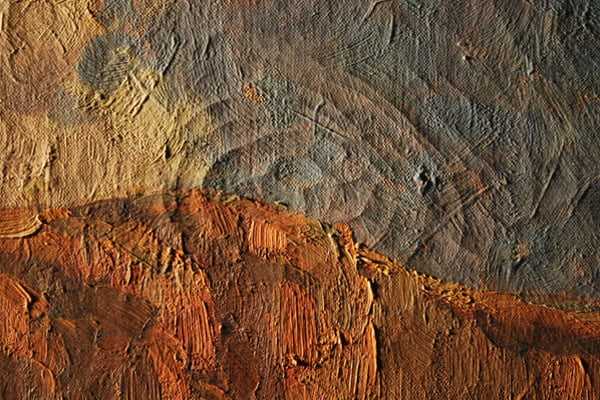
Canvas is a very flexible material that is also biaxial, so it expands and contracts at different rates according to its axes—the weft and warp direction of the yarns. The layers in paintings that carry most of the tension (varnish, paint, ground and size), on the other hand, are composed of amorphous or semi-amorphous polymers that are much less flexible, and expand and contract to a much lesser degree and equally in all directions. These stiffer materials are subjected to much stress as the canvas expands and contract, resulting in cracks and then finally loss of adhesion and cupping (illustrated by the animation). Shock and vibration, low temperature, low humidity, high pigmentation, and aging increase both the stiffness and the likelihood of cracking of these layers.

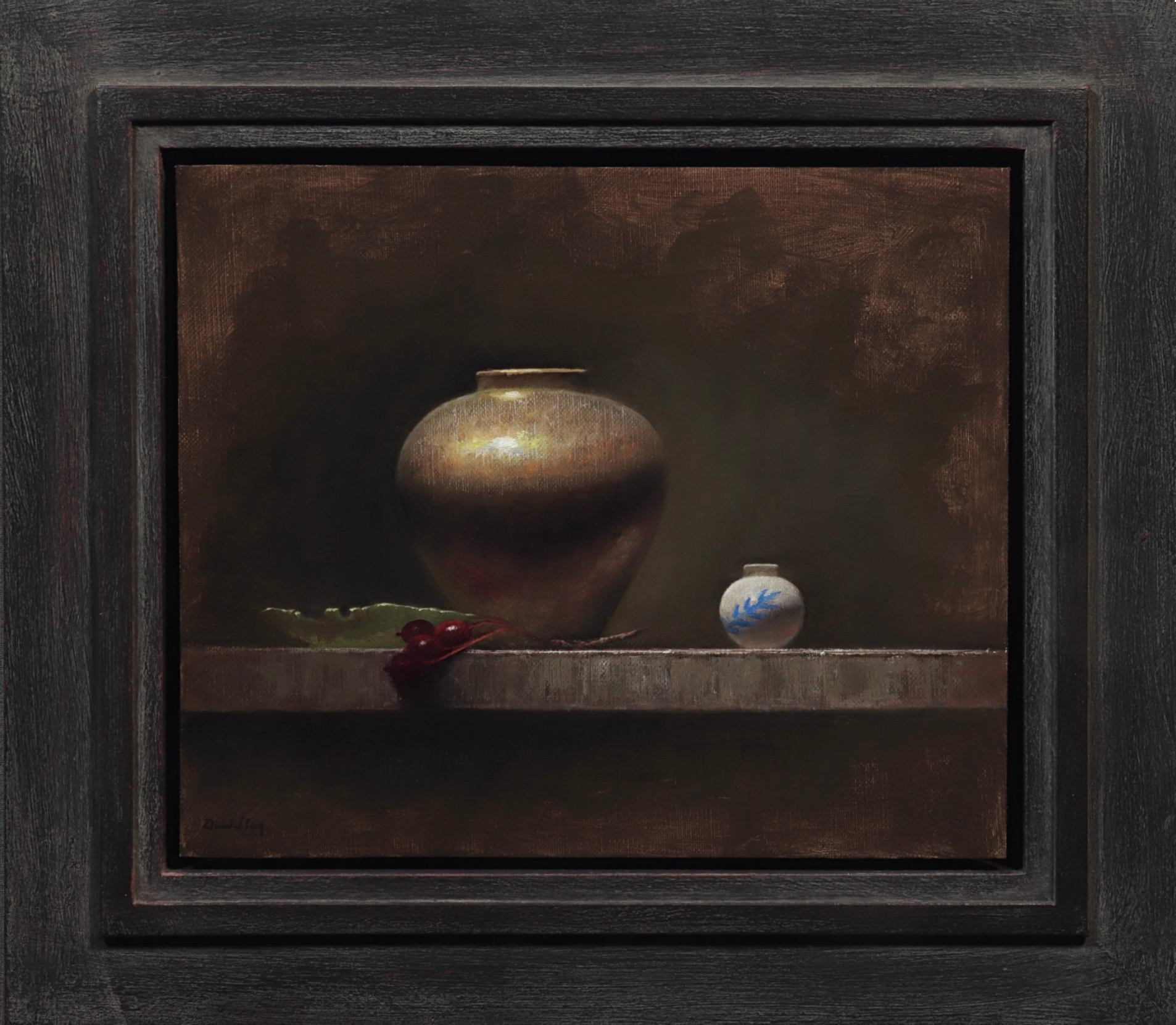
Paintings on rigid supports (wood, stone and metal) with lower response to environmental changes, such as relative humidity, are preserved for much longer periods of time, because the support does not induce as much stress on the paint film. Cracks on canvas paintings are predictable and museums conservators can predict the appearance of such cracks through mathematical modeling, such as those appearing in the paintings above, where even changes in crack patterns appear above the location of stretcher bars than over other areas of the canvas.
For this reason artists who are concerned about the posterity of their work should choose rigid materials as supports, because this choice will lead to a better outcome for their paintings.
This is the topic of the entire first day of the Painting Best Practices workshop and one of many subjects explored in detail at the three-day workshop. Learn more about the Painting Best Practices Workshop.
Rigid ACM Panels—The Best Support for Painting
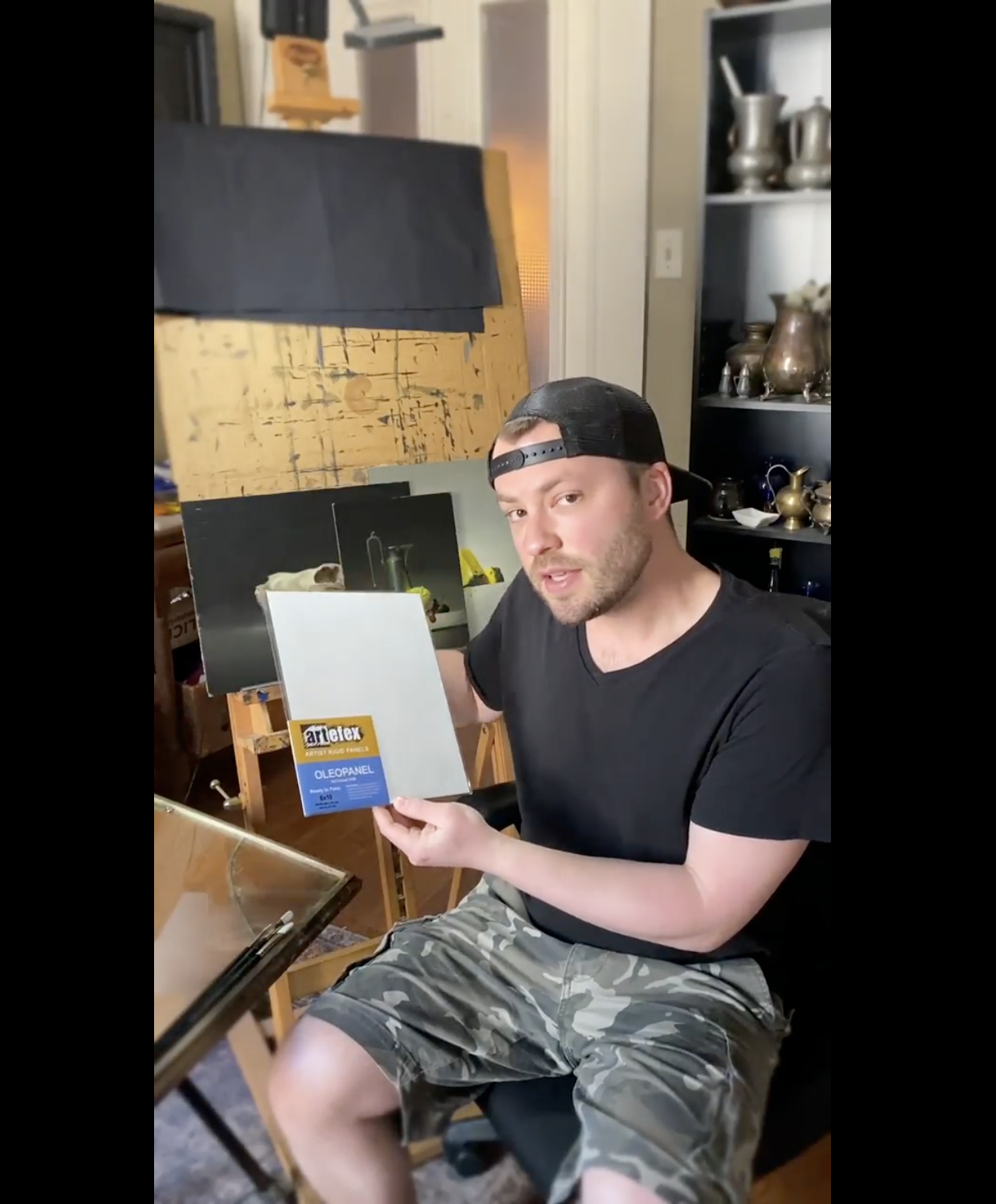
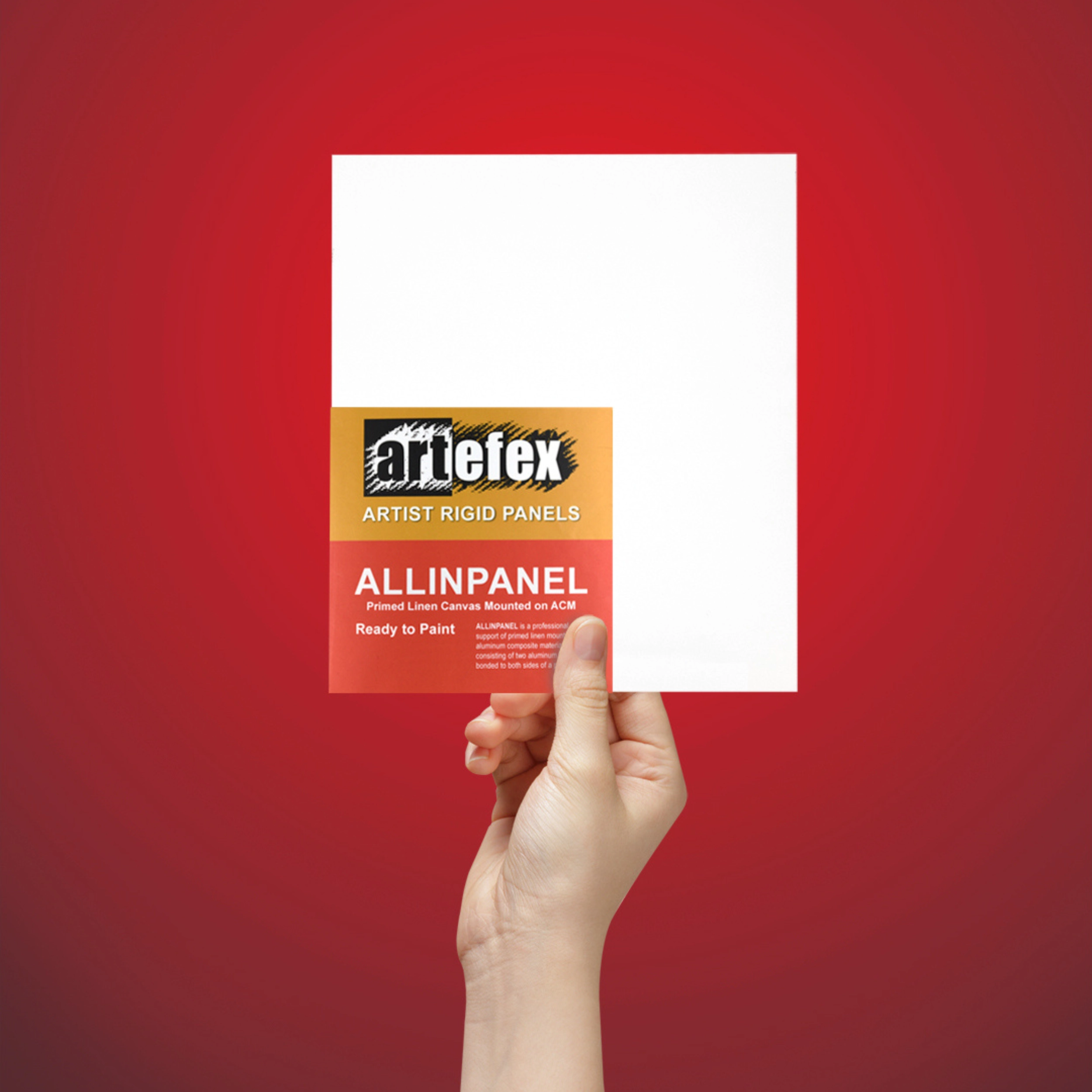
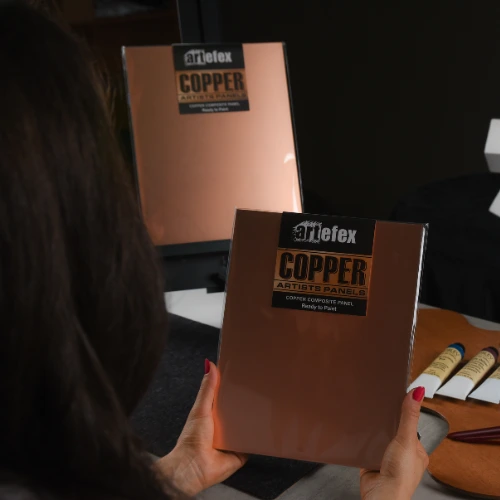
Although wood is a better choice than stretched fabrics for longlasting works of art, Artefex Panels provide far more stability and resistance to the environment than even sealed wood panels, because they are unaffected by moisture.
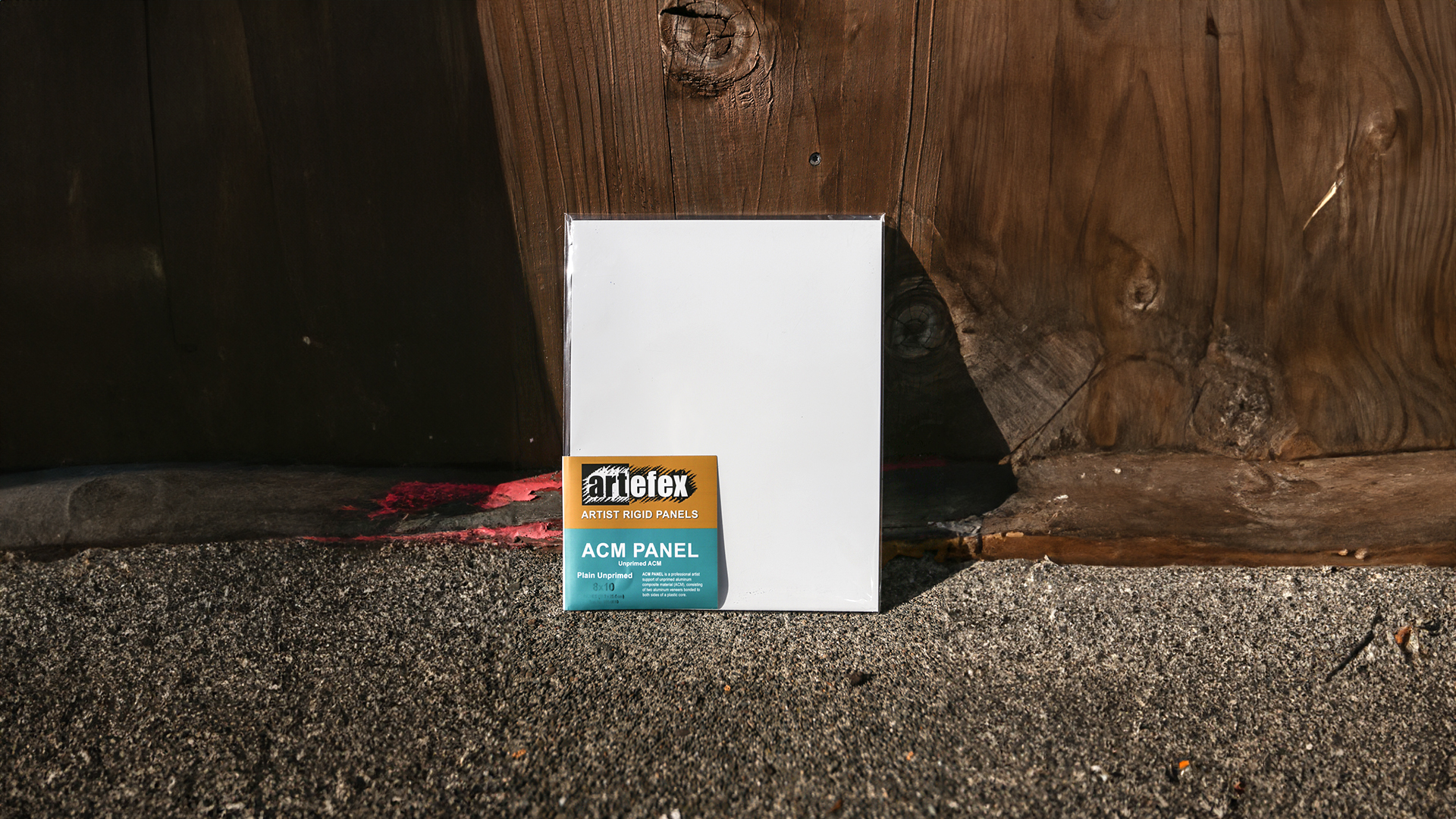
Compared to wood panels, Artefex ACM panels offer a superior support for painting and mounting because ACM panels are virtually unaffected by environmental changes, such as relative humidity (RH) and temperature. This is a professional panel for painting when primed with water- or oil-based primers or for mounting canvas and paper cause ACM?panels have very low response to environmental changes, such as relative humidity (RH)?and temperature. This weather-resistant panel is ideal for a wide range of paint mediums (depending on the surface prep) and mounting applications including:
- Acrylic
- Drawing, i.e., charcoal, ink and silverpoint
- Encaustic and wax
- Oil and alkyd
- Tempera, i.e., casein, egg, hide glue (distemper)
- Watercolor and gouache
- Mounting canvas and paper
What are Aluminum Composite Material (ACM) Panels?
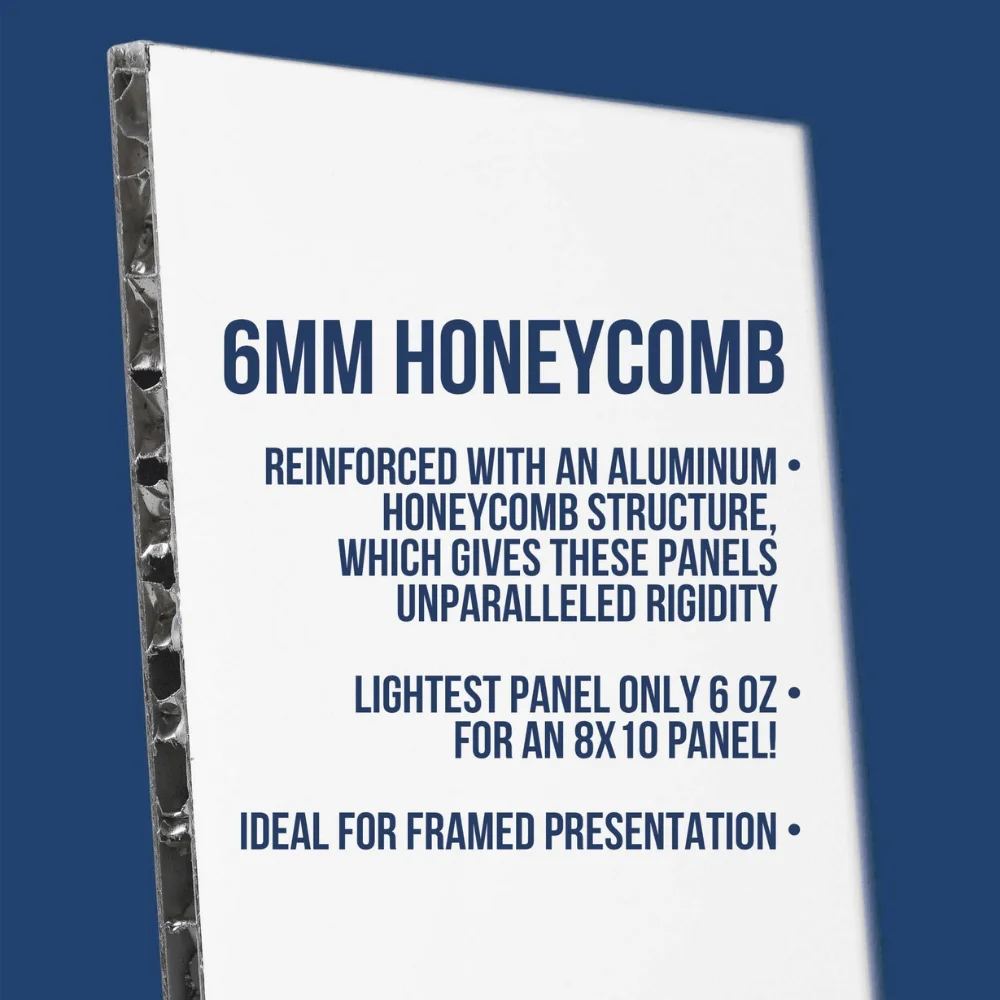
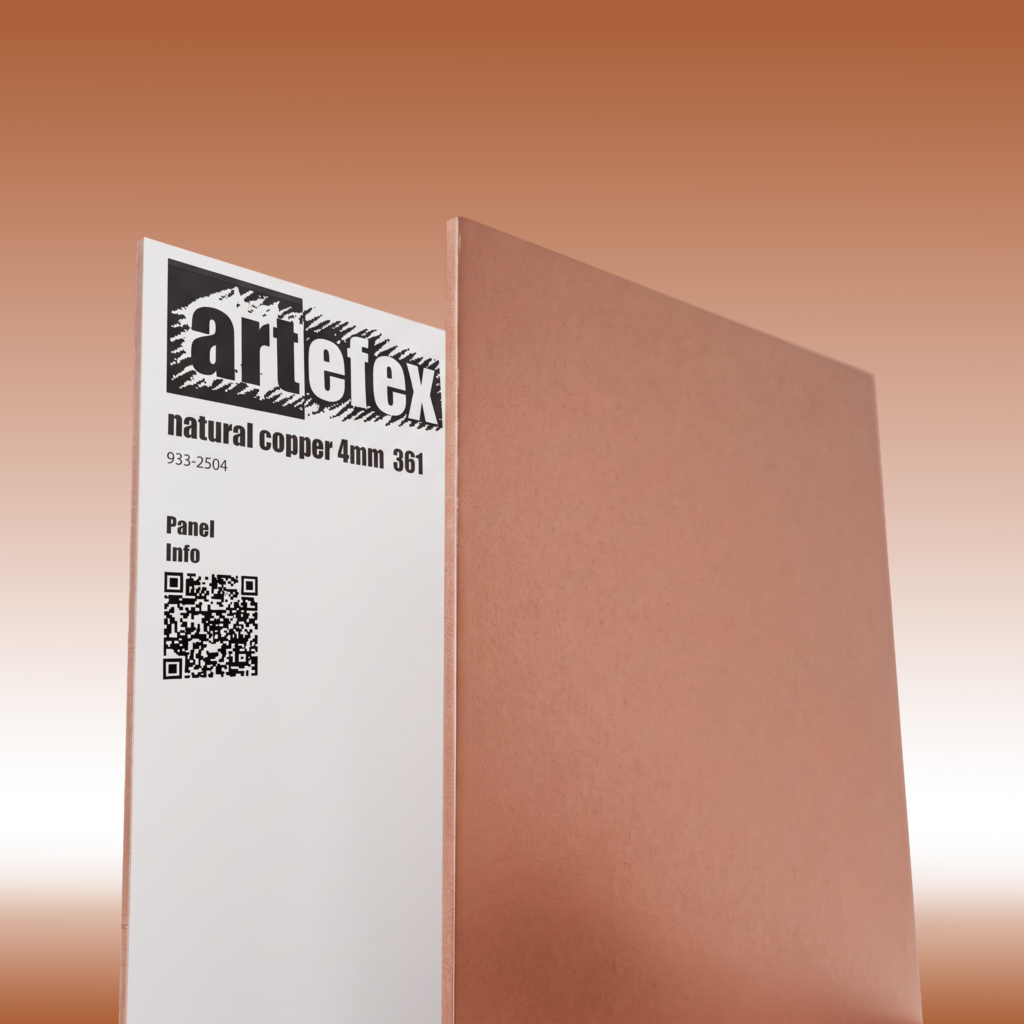
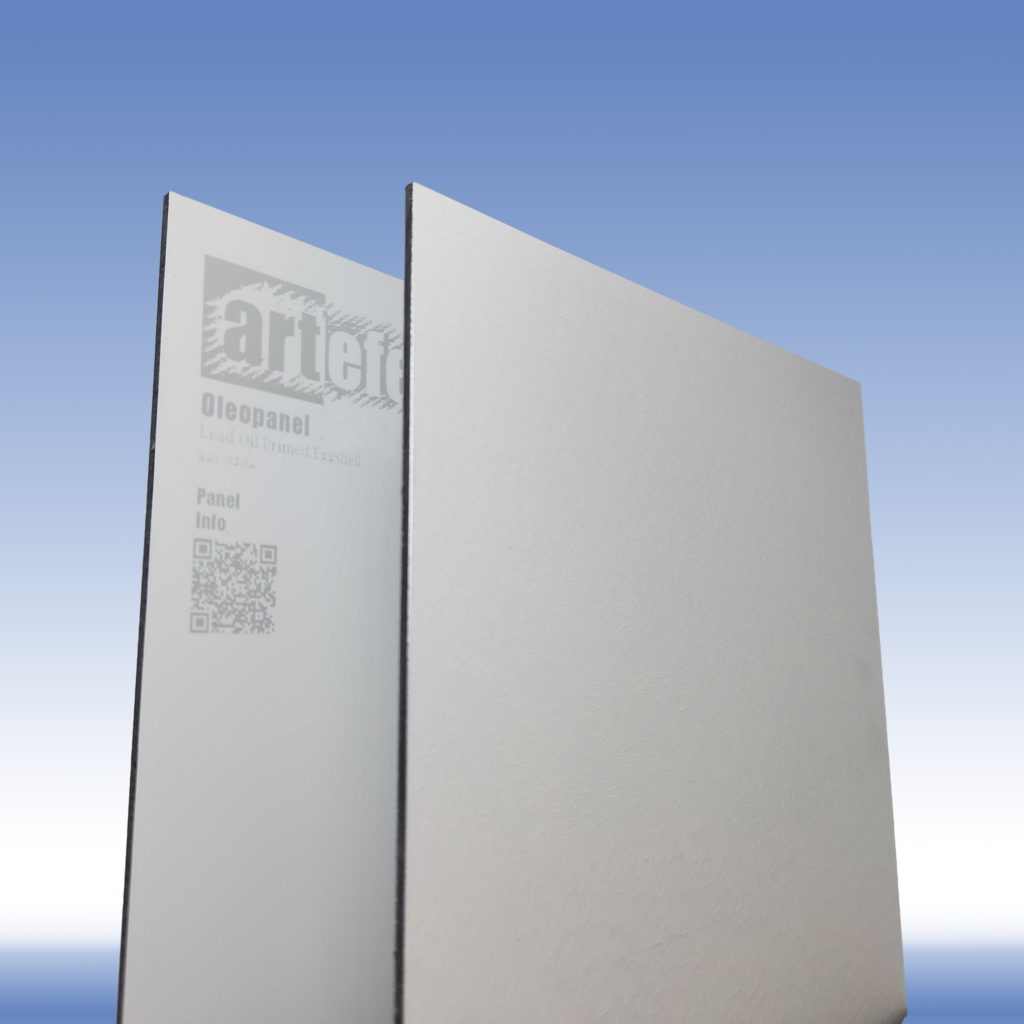
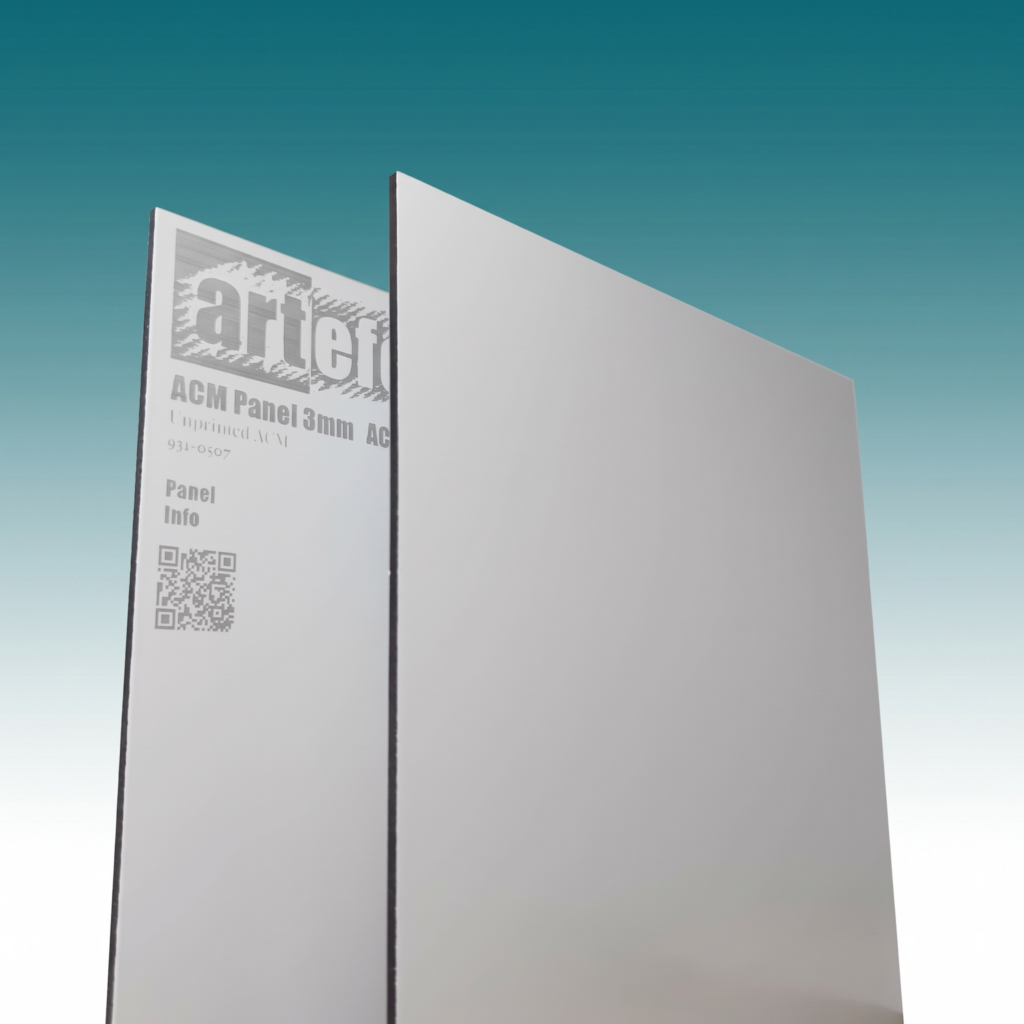
Artefex ACM Panels are made using lightweight but rigid and durable aluminum composite material (ACM)—two strong sheets of aluminum bonded to a solid polyethylene core. The panel is coated on one side with a white polyester finish and a mill finish (polished aluminum) on the other side. The panel is 3mm thick (without the canvas) and is available in sizes from 8 x 10 to 20 x 24 inches. Weather-resistant Artefex ACM Panels are ideal for a wide range of paint mediums.
Wide Selection of Surfaces
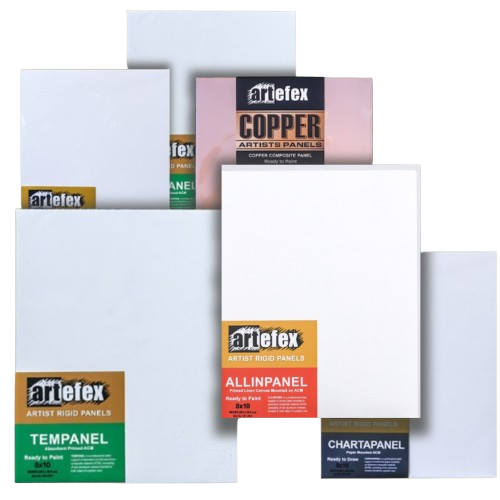
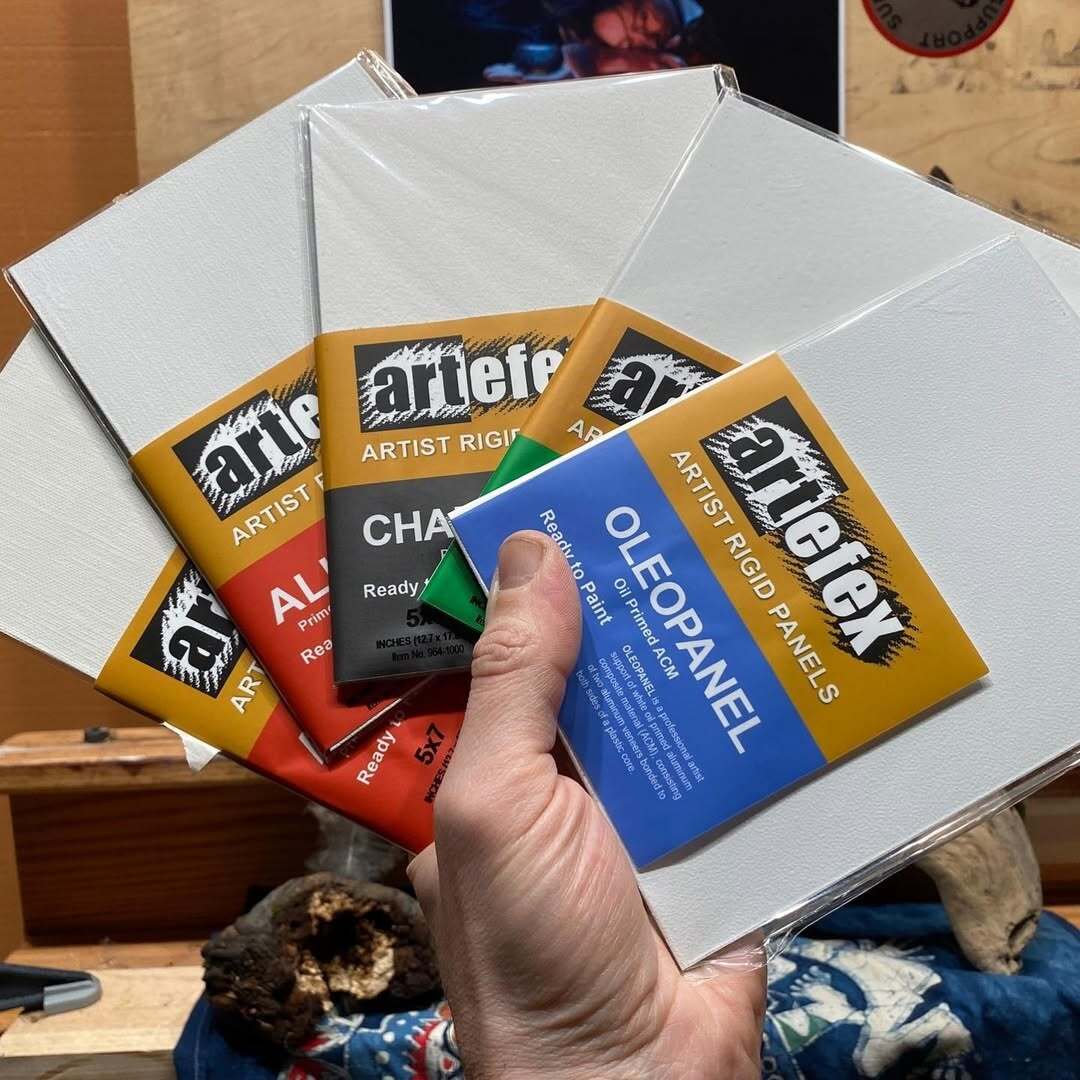
Choose from unprimed panels, panels primed with acrylic, oil and absorbent chalk grounds, and panels mounted with linen or cotton canvas primed with oil or acrylic grounds. The wide range provides a panel for any medium and art work.
Which Panel is Best for your Art
The panel comparison chart is a good starting point if you are unsure which Artefex panel to use. It cross references mediums to the type of panel we recommend. The last six columns describe two important properties, the absorbency and texture of the surface preparation.