
Step-by-Step Painting Guide
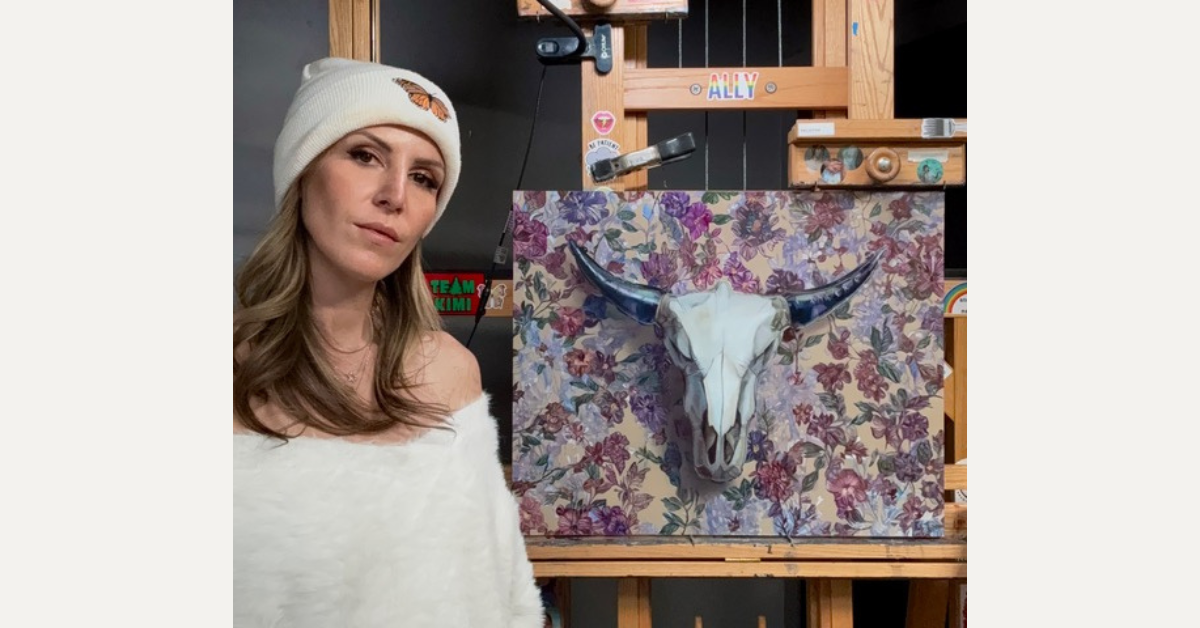
Featuring Artist Shana Levenson – How to Prep an ACM Panel with Gray Gesso
Getting started with oil painting can feel overwhelming — especially when it comes to choosing and preparing the right surface.
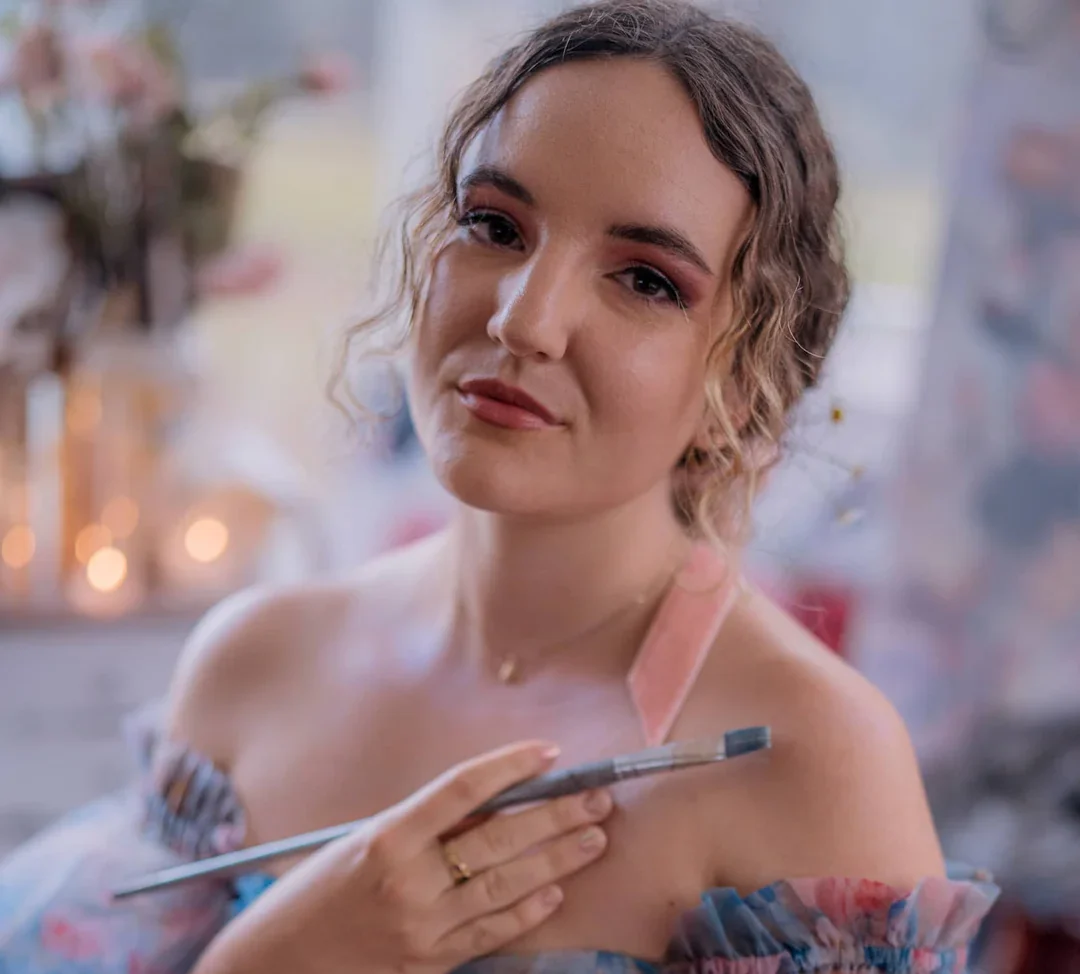
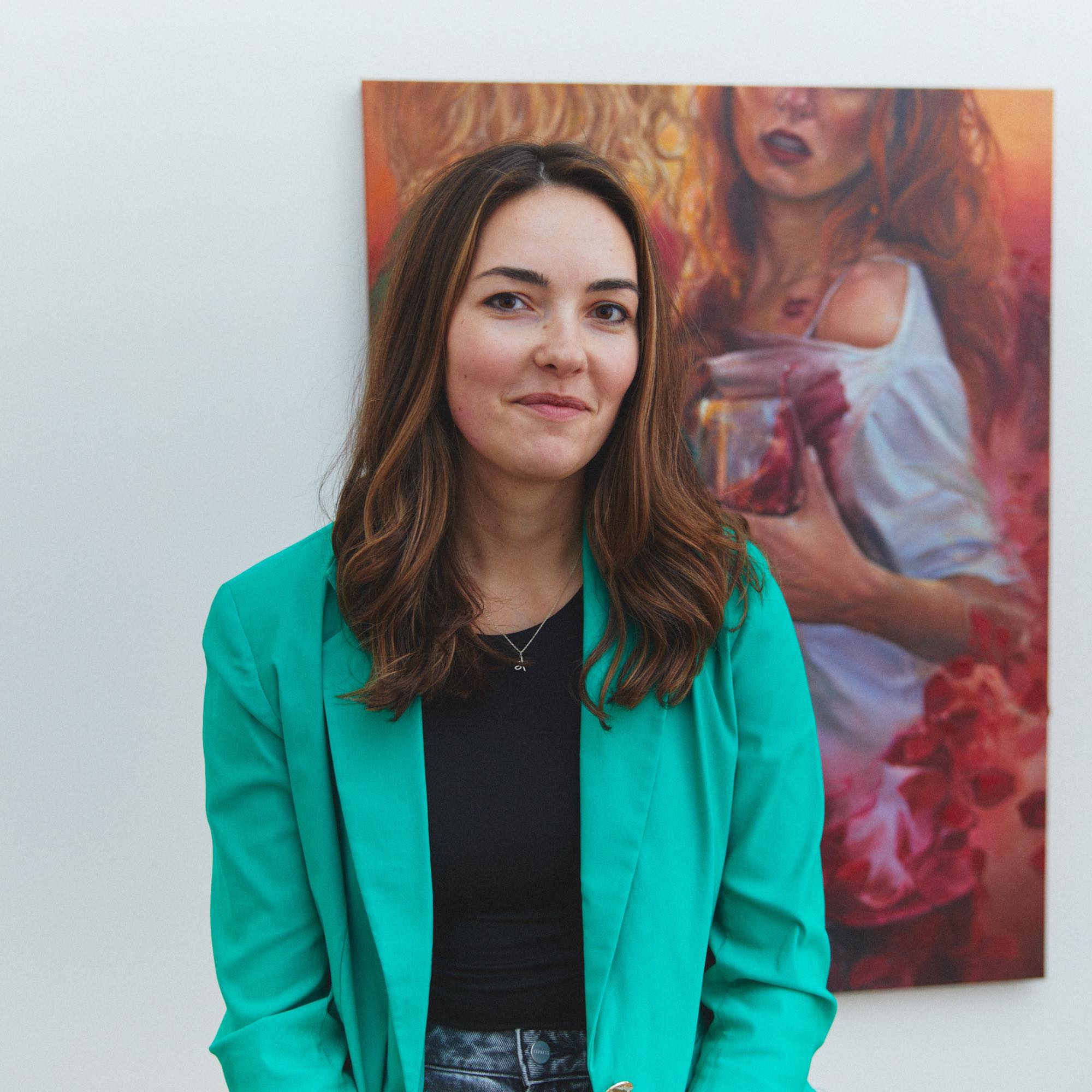
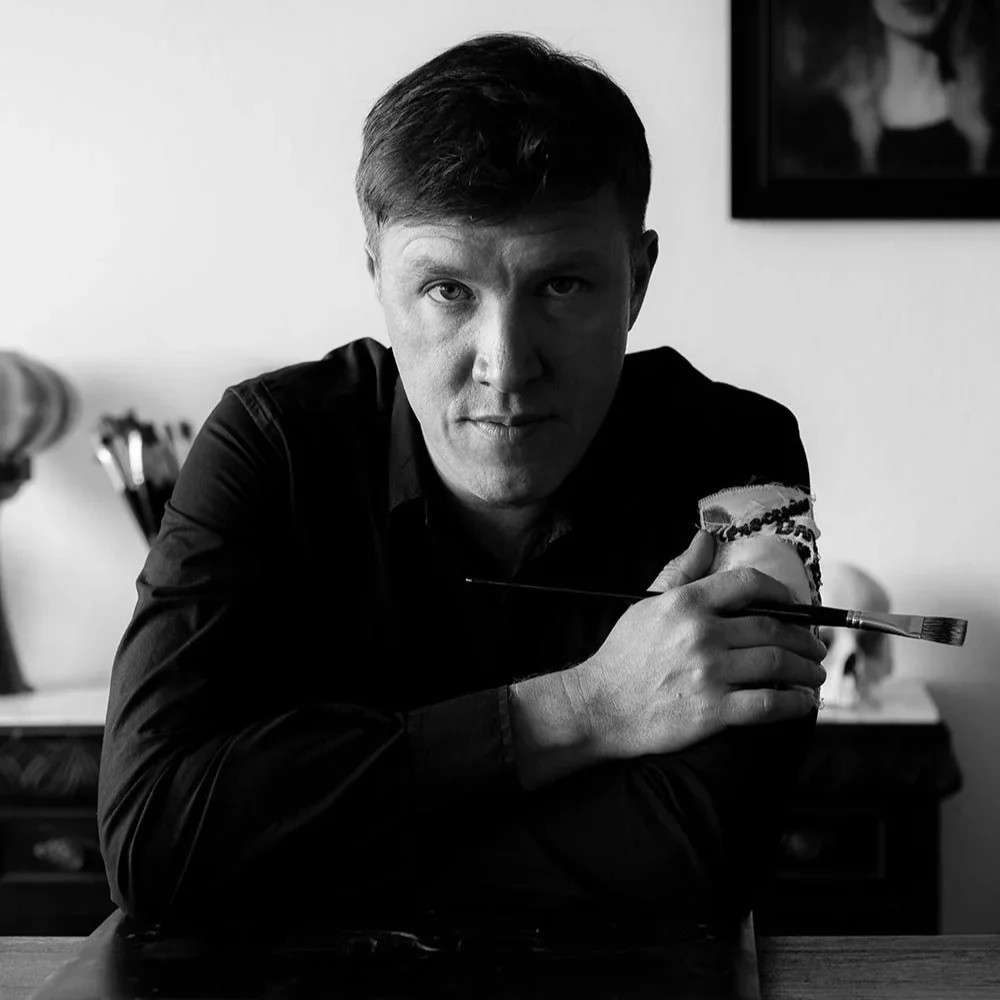
That’s why we teamed up with professional portrait artist Shana Levenson to share a simple, repeatable method for prepping aluminum composite (ACM) panels.
This guide walks you through every step of the process — from sanding to sealing — using gray gesso to create a smooth, toned surface that’s perfect for oil painting.
Whether you’re a beginner learning how to prepare a painting panel for oil paint, or an experienced artist seeking a warp-free, archival alternative to canvas, this tutorial is for you.
Materials You’ll Need
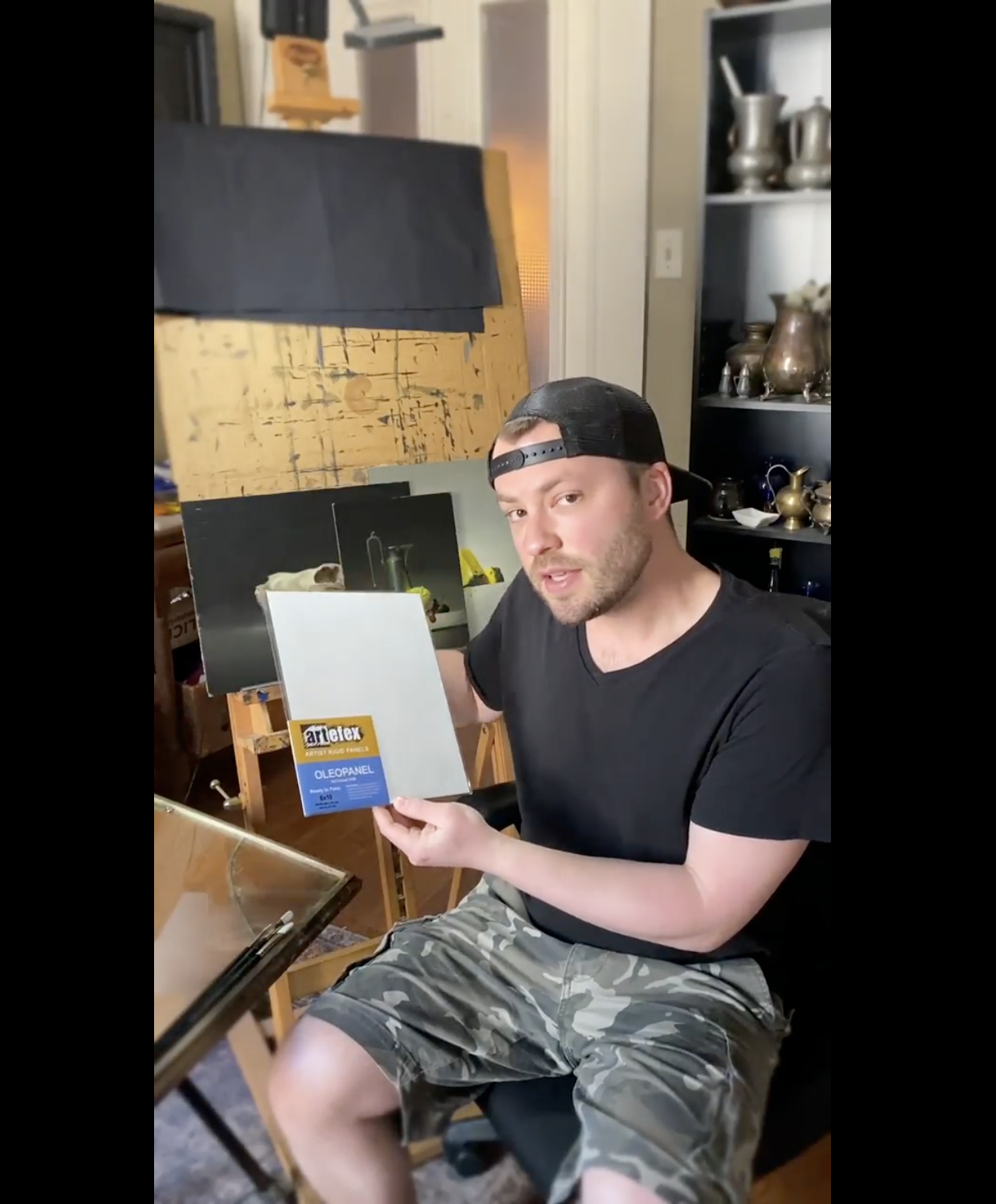
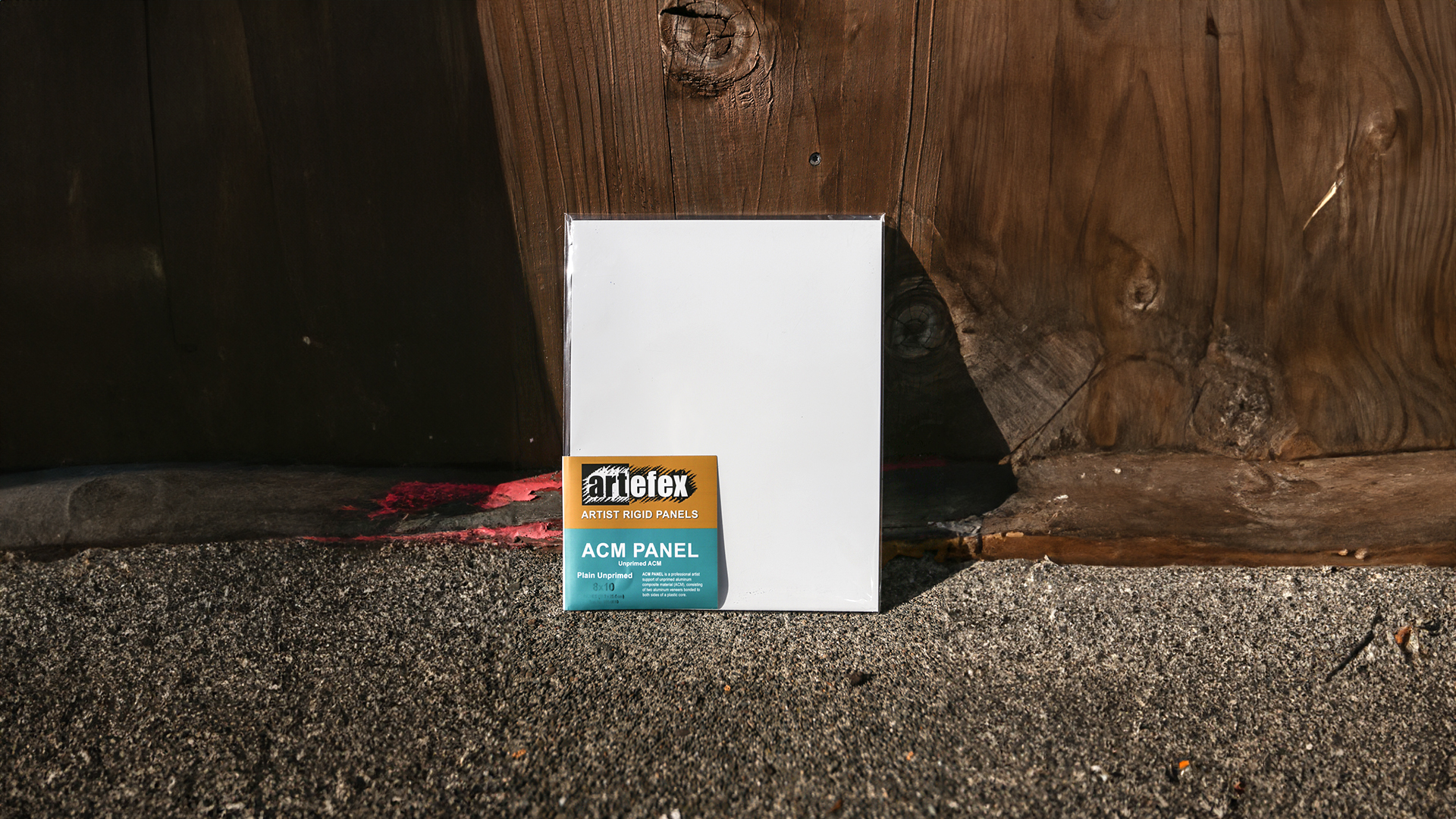
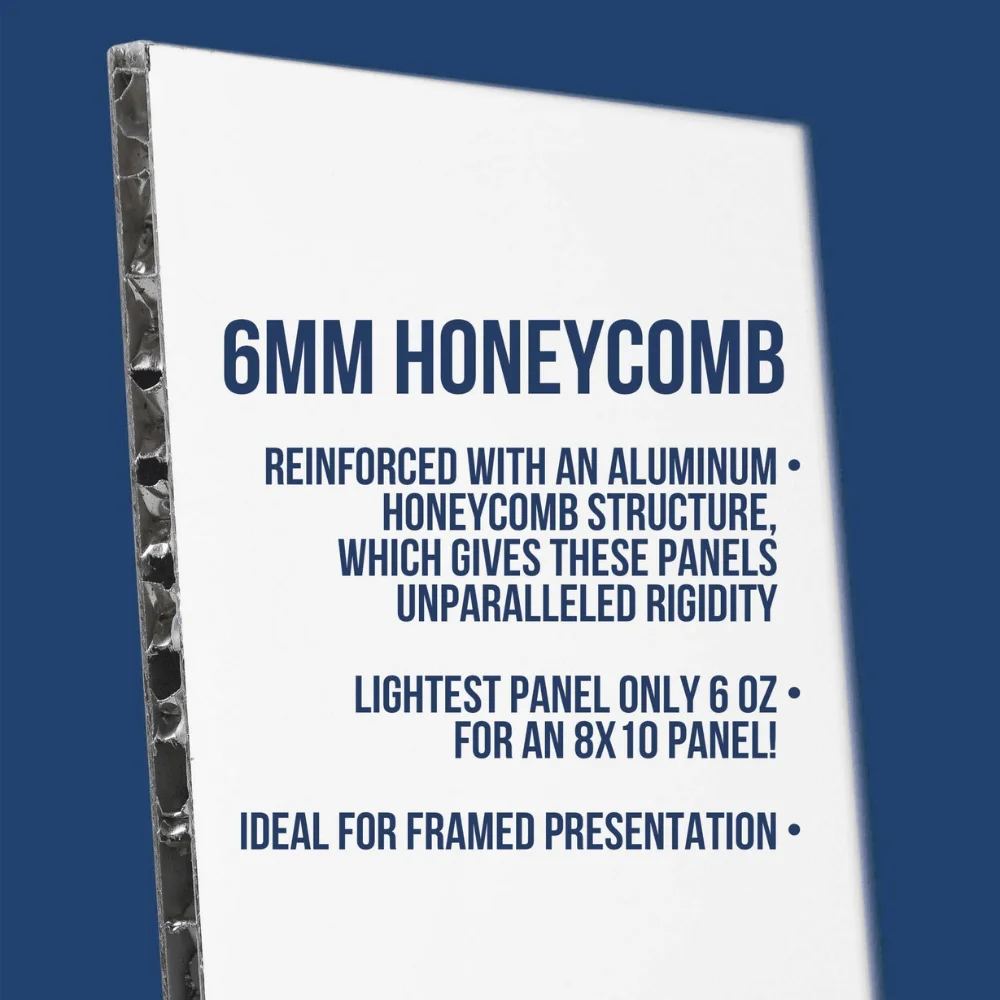
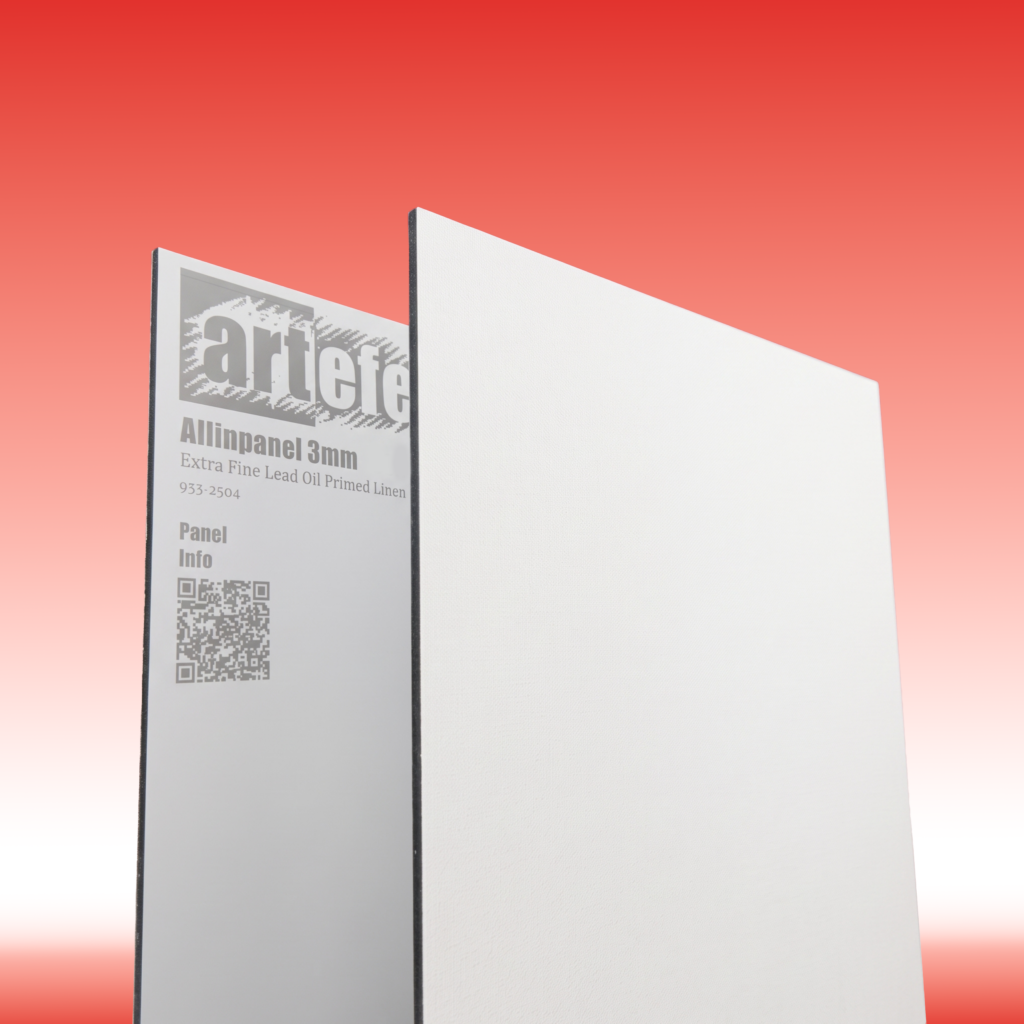
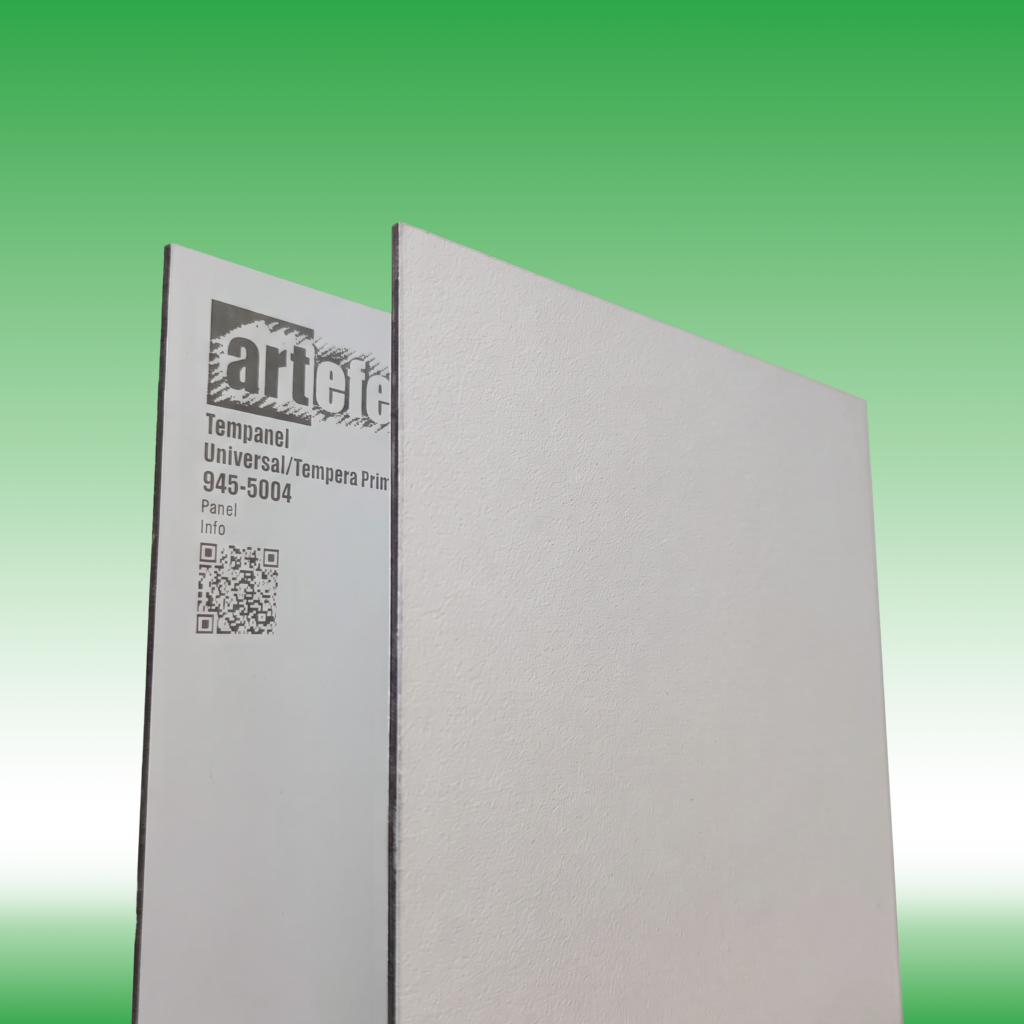
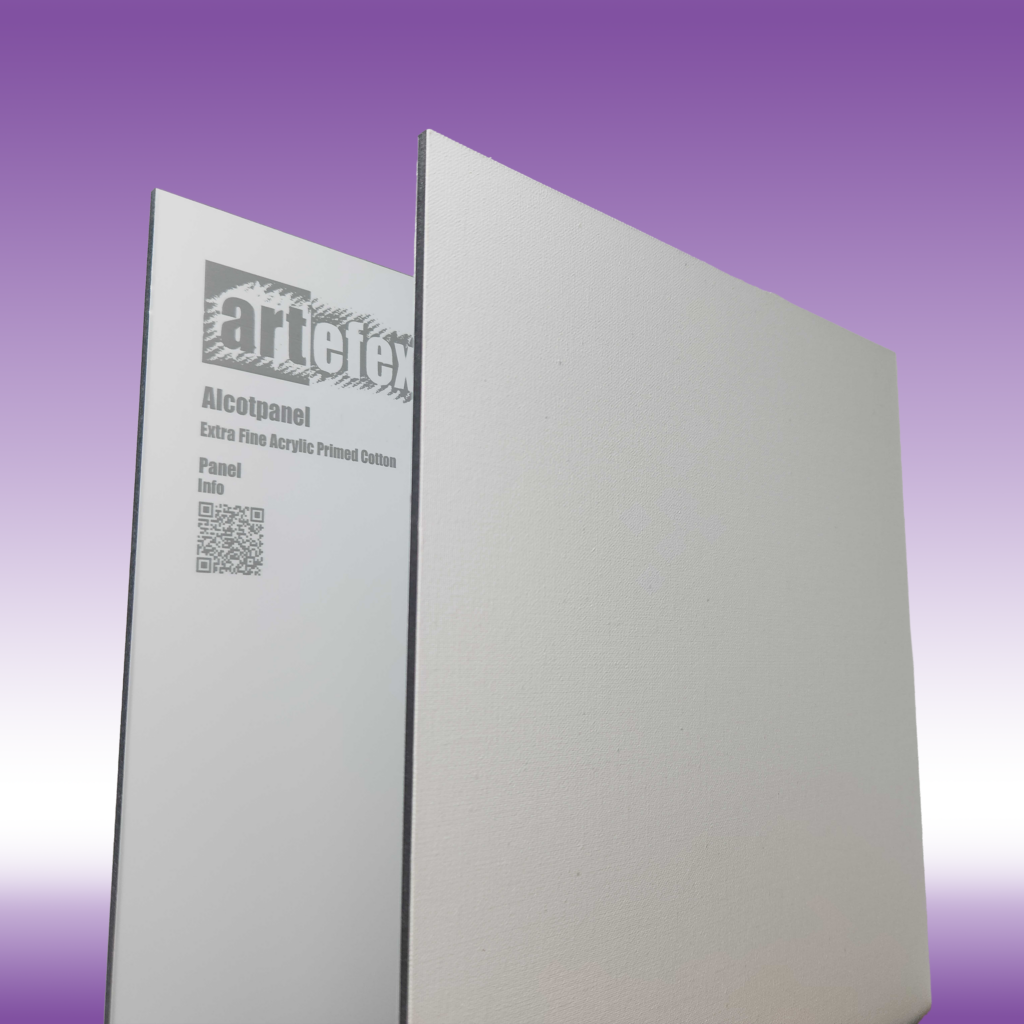
Raw Artefex ACM Panel (3mm or 6mm thickness)
– Liquitex Gray Gesso (or another artist-grade gray acrylic gesso)
– Water spray bottle
– Foam brushes
– Brush or shop towel for dusting
– Heavy grit sandpaper (for electric sander or sanding block)
Step-by-Step Panel Preparation for Oil Painting
Step 1: Lightly Clean the Panel
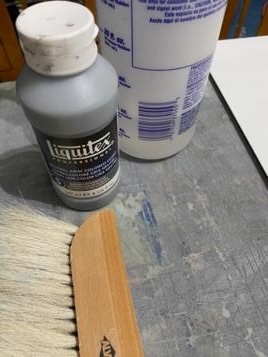
Spray the ACM panel with water and use a brush to remove any dust or residue. This helps ensure proper adhesion of your ground layers.
Step 2: Sand the Surface
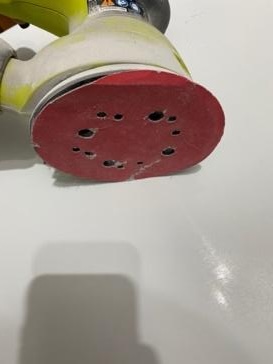
Use a sander with heavy grit sandpaper to scuff the coated (paintable) side of the panel. This creates micro-texture that gives the gesso a surface to grip onto.
Step 3: Wipe the Surface Clean
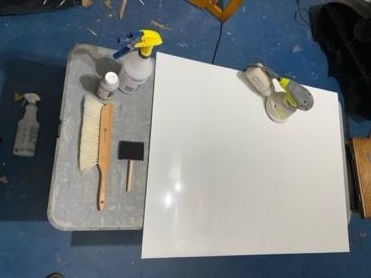
Use a dry brush or clean towel to remove any remaining dust after sanding.
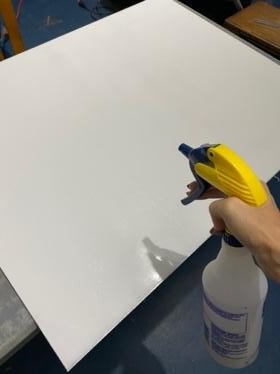
Step 4: Mist the Panel with Water
Lightly spray the panel again to help the gesso flow smoothly during application.
Step 5: Apply a Thin Layer of Gray Gesso
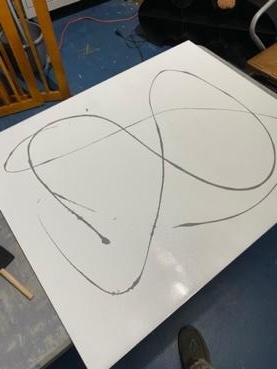
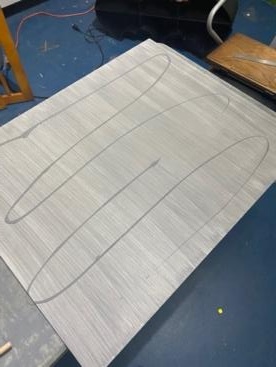
Squeeze a line of gray gesso onto the damp panel and spread it out using a foam brush. Work in one consistent direction (horizontal or vertical) to keep the layer thin and even.
Step 6: Let the First Layer Dry Completely
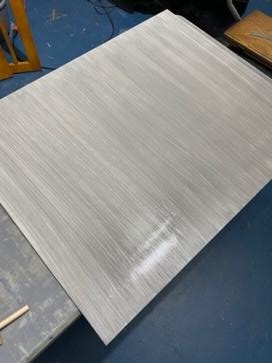
Wait until the first layer is fully dry before moving on. This helps avoid uneven texture and ensures the next coat adheres properly.
Step 7: Repeat with Second Coat in Opposite Direction
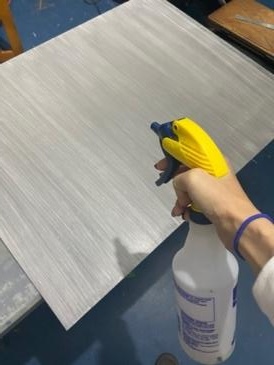
Spray water on the panel again, then apply a second thin coat of gesso — brushing in the opposite direction from the first coat (e.g. vertical if the first was horizontal).
Step 8: Continue Layering as Needed
Repeat this mist–gesso–dry–alternate direction process for 3–5 coats total, depending on how opaque you want the surface. Each coat should be very thin to prevent brushstroke buildup.
Step 9: Final Surface Check
When finished, the panel should have a smooth, matte gray surface — ideal for oil painting portraits, still life, or alla prima work.
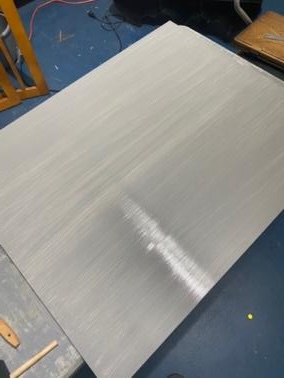
By preparing your painting surface this way, you create a durable, archival panel that holds paint beautifully without the flex or sag of stretched canvas.
Shana Levenson uses this exact method to prepare her Artefex ACM panels for oil painting — combining a stable support with a neutral-toned base that makes composition and value studies easier from the very first brushstroke.
🛒 Want to try it yourself?