



3mm vs Gallery Panel, how to choose the right Artefex surface
If you have ever bounced between thin, travel-friendly boards and chunky, ready-to-hang panels, you already know the choice can shape your whole workflow. With Artefex panels the call often comes down to two formats that solve different problems really well: the 3mm ACM panel and the Gallery Panel. Both are archival, both feel professional, but they show up very differently in the studio and on the wall. Let’s unpack what changes for weight, rigidity, framing, cost, and day-to-day use so you can pick the best fit for your next piece.
Throughout this guide I’ll weave in practical SEO phrases artists actually search for, like Artefex Gallery panel vs 3mm ACM panel, best panel thickness for plein air, and frame vs unframed art display, without turning this into a keyword salad.
Meet the two ART panels
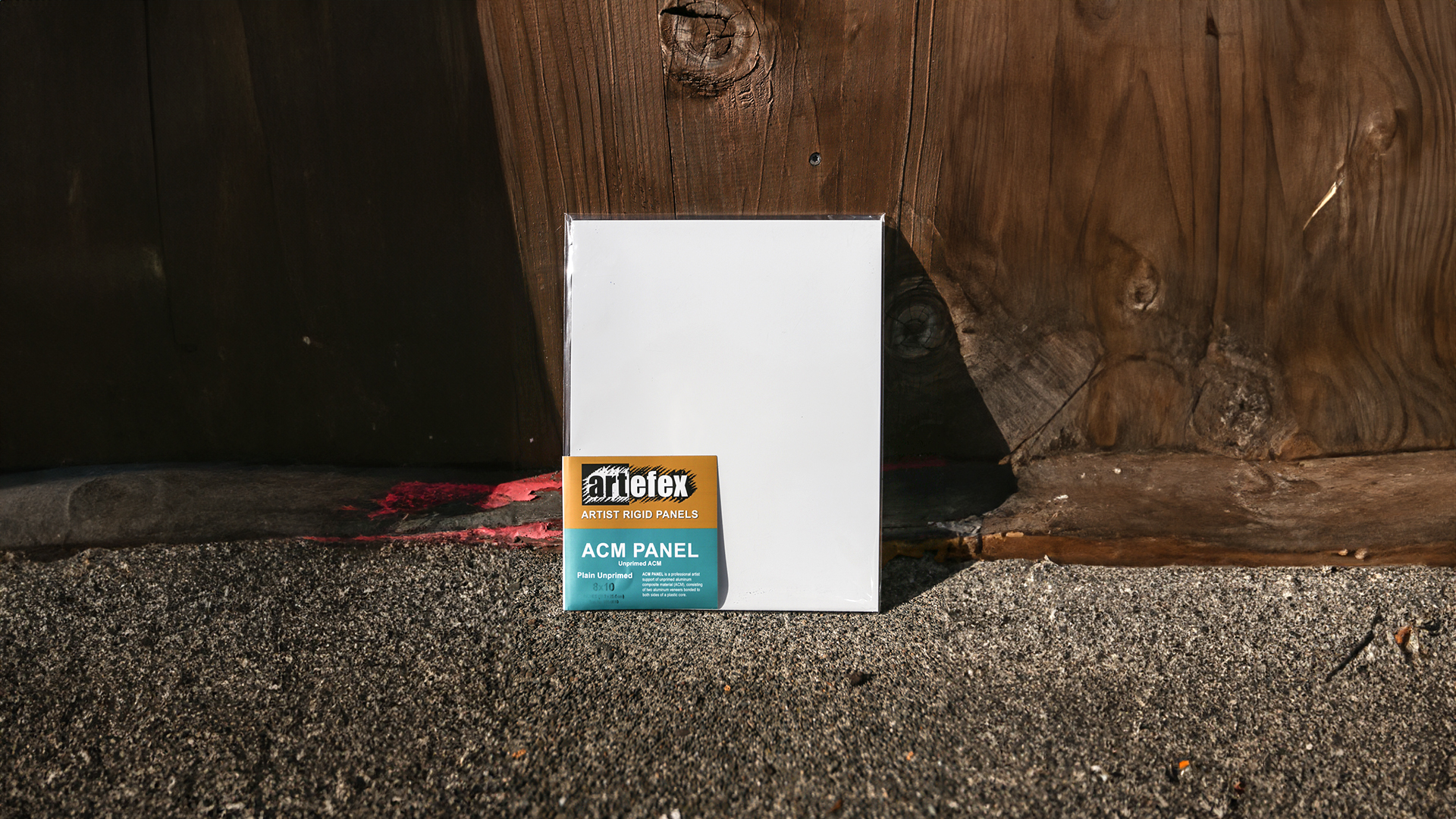
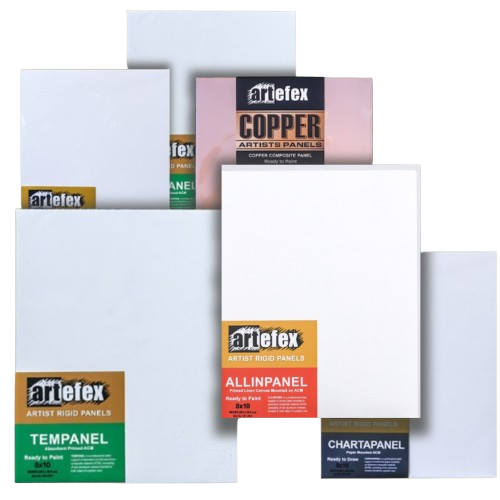
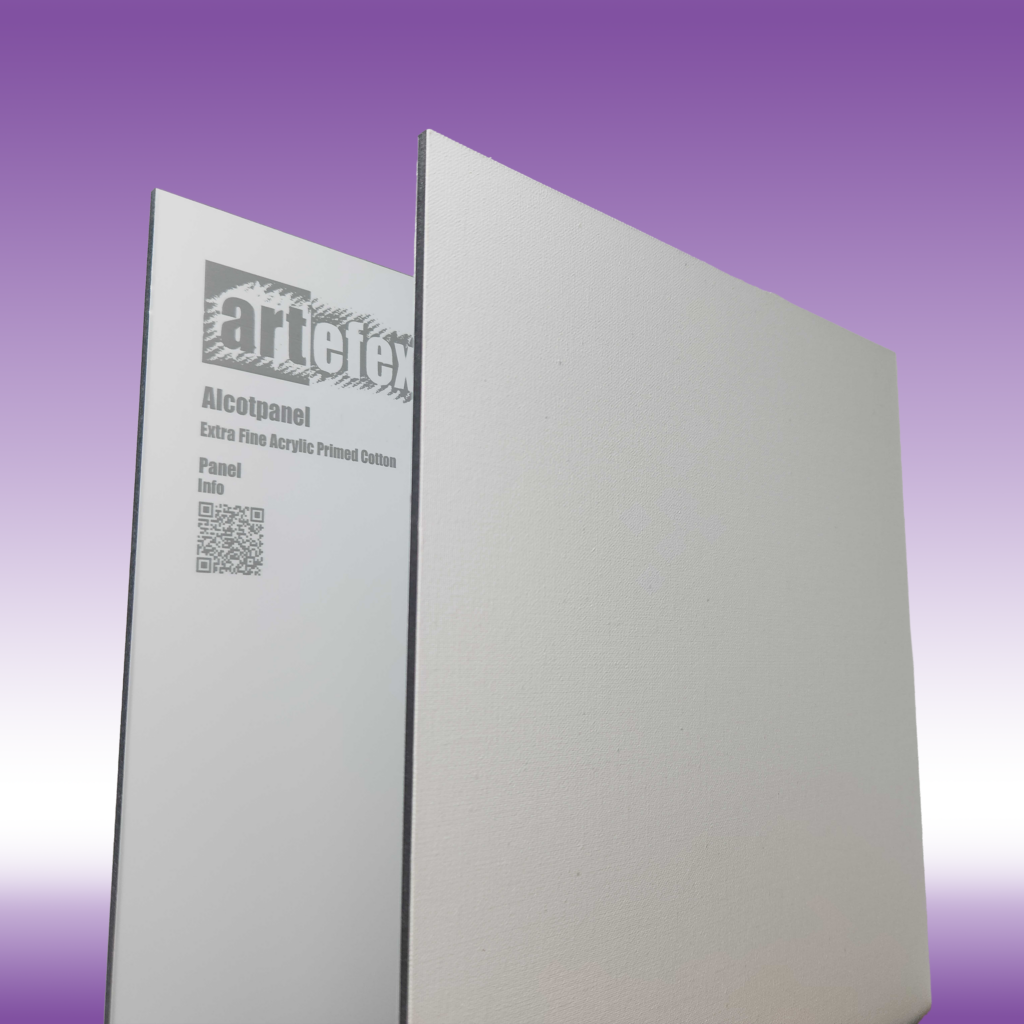
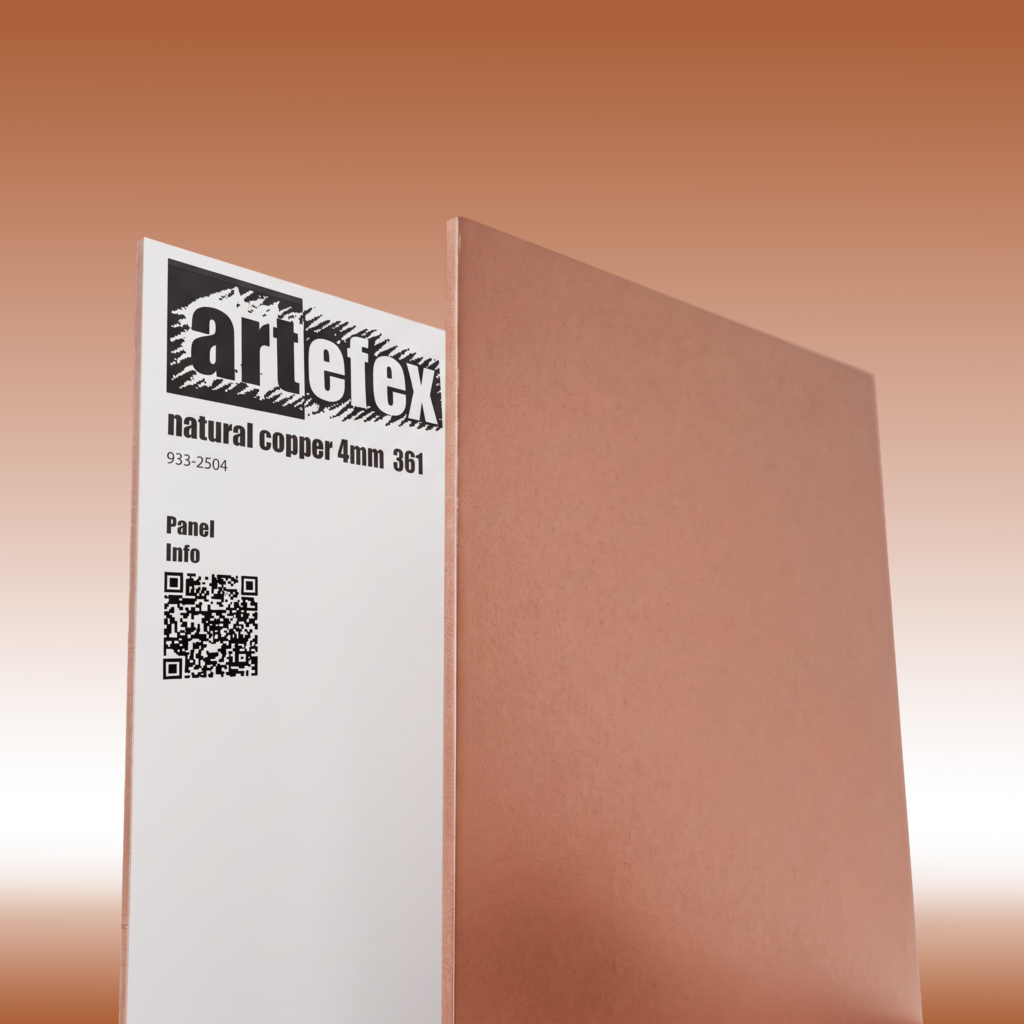
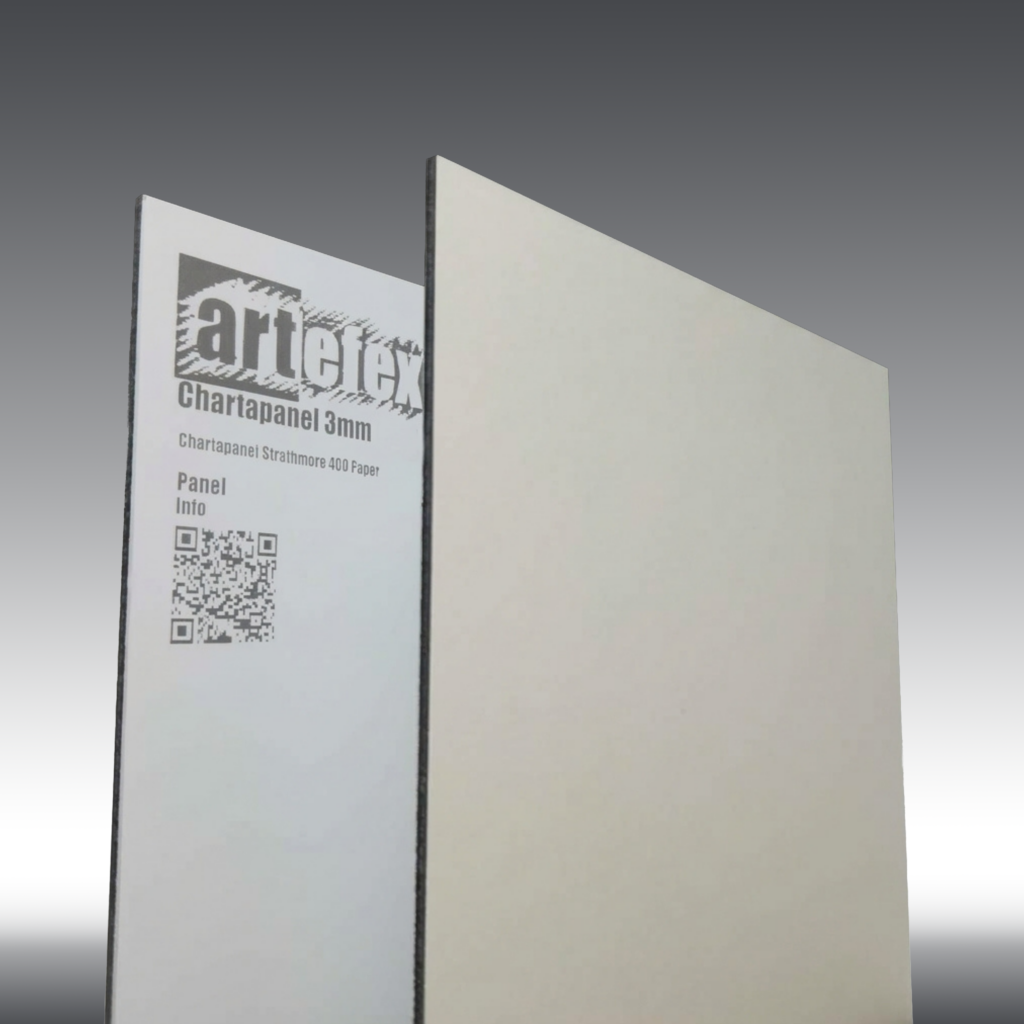
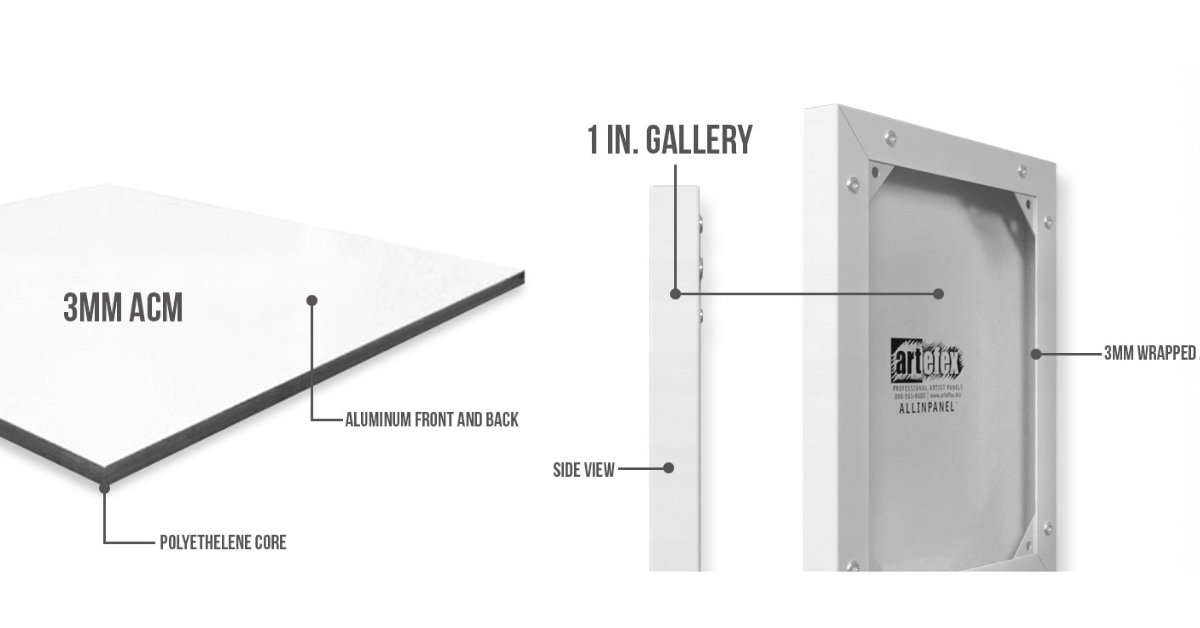
This is the classic Artefex flat board. It uses aluminum composite material, meaning two thin aluminum sheets bonded to a solid polyethylene core. That construction is why artists like it, since aluminum composite barely reacts to humidity or temperature compared to wood. Artefex sells these unprimed or with prepared painting surfaces, and the standard board is 3 mm thick, sized for everyday work.
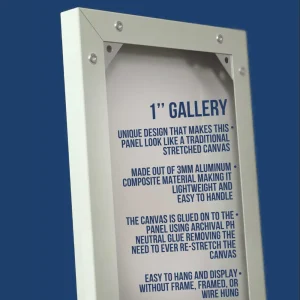
Think of this as a 3mm ACM face mounted to a deep cradle. It gives you a thick, gallery-style profile that is designed to hang unframed, and you can even choose the cradle depth on custom orders. Artefex’s custom builder lists Gallery Panel as a distinct type and lets you pick depths like 1 inch, 2 inches, and more. It also explains that the gallery construction reinforces the 3mm panel so it stays very rigid even at large sizes.
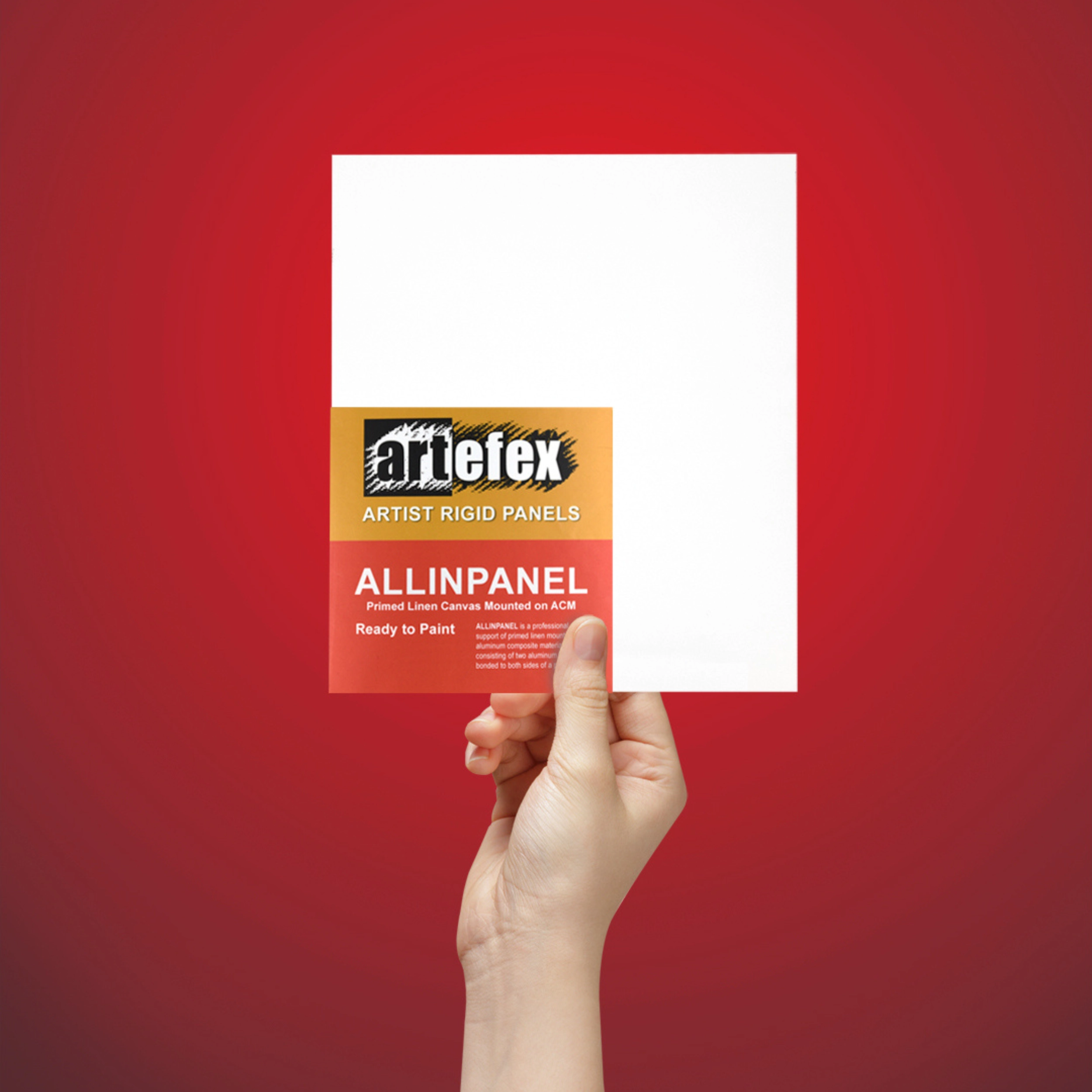
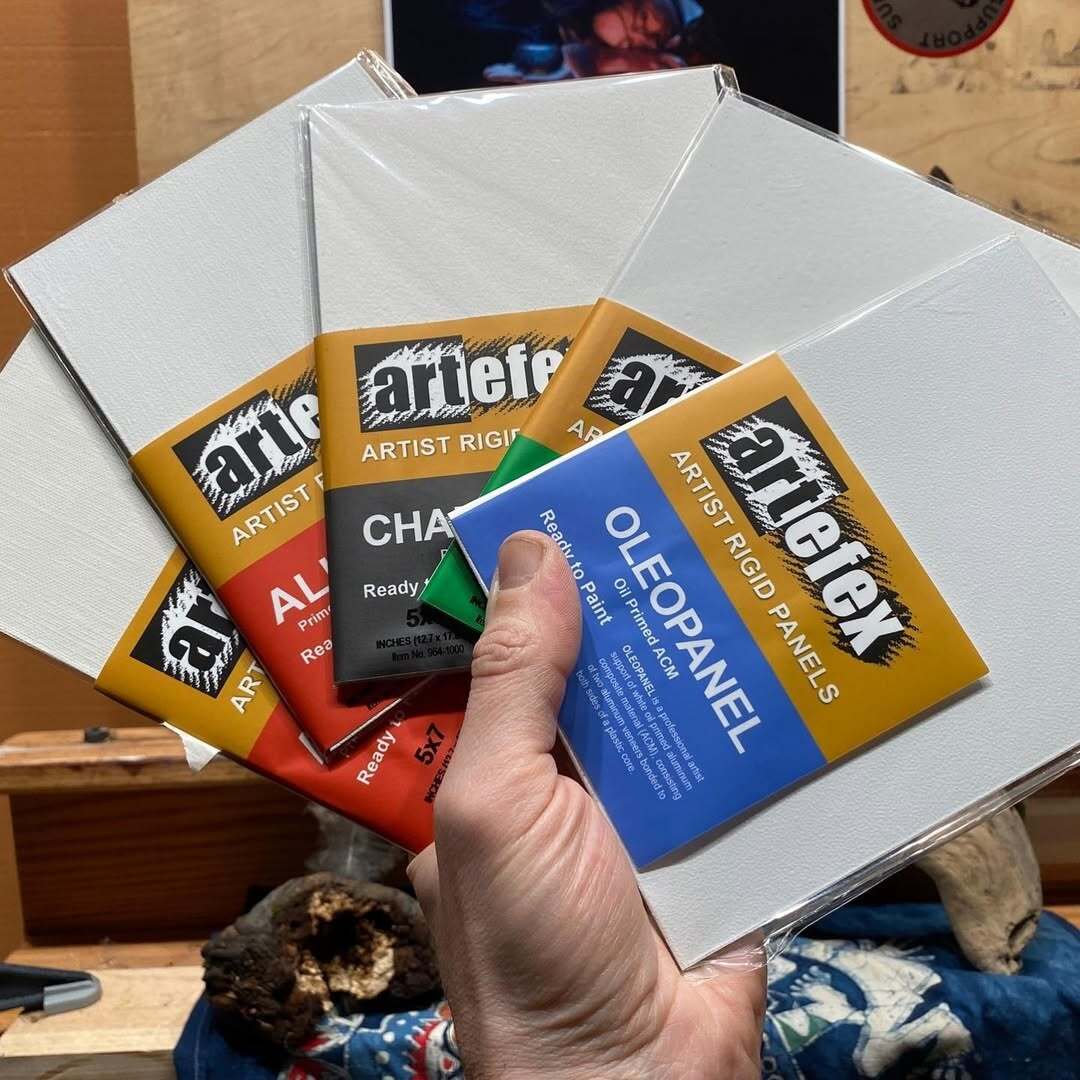
Both formats can be ordered with different surfaces, like oil-primed linen, acrylic-primed linen, or unprimed ACM if you want to prep your own ground. For example, the Allinpanel pages let you select 3mm, 6mm Honeycomb, or Gallery as the base build.
Core materials and why that matters
What 3mm actually is
Artefex’s 3mm ACM is the thin, rigid, aluminum composite you may already know. Because the core is polyethylene sandwiched between aluminum, it is both light and stable. The unprimed product page spells this out plainly, and the oil-primed ACM listing confirms the thickness range and standard sizes. If you are coming from wood, this stability shift is huge.
What Gallery actually is
The front surface is the same aluminum composite idea, but the piece becomes an object once it is cradled. In the Artefex custom tool you can see how Gallery Panels are positioned: made from 3mm ACM, reinforced by the gallery build, and intended for easy hanging without a frame. The tool also shows depth options, so you can match the presence of a stretched canvas series or make a floaty, minimalist presentation.
Rigidity, flatness, and archival stability
Both formats are engineered to fight warping and environmental swing. Aluminum composite’s low response to relative humidity is the backbone here, and it is the reason many artists switch away from wood. Artefex’s educational pieces on ACM highlight this stability again and again.
Where they differ:
- 3mm ACM is rigid enough for small and medium paintings. Artefex positions 3mm as the everyday thickness, with stock sizes up to roughly 20×24 or 24×30 depending on the specific panel line. If you need larger than that, you can still go 3mm, but you will typically frame it or add a sub-frame for extra stiffness.
- Gallery Panel gains stiffness from the cradle. The custom builder states that the gallery construction reinforces the 3mm face so it stays very rigid even at extra-large sizes, and it includes a built-in hanging approach. If you know a piece will be displayed without a frame, this structure gives you confidence that the surface will stay flat and the object will stay straight.
Tip for large formats: Artefex’s site recommends moving up to a reinforced build for big work. Their content elsewhere suggests honeycomb or gallery styles for over-24-inch projects, which is a good rule of thumb even if your exact choice here is 3mm vs Gallery.
Weight and handling in real life
3mm ACM is the lightest way to get a true rigid support
The unprimed 3mm page and the oil-primed page confirm thickness and standard sizes. In practice this board packs flat, stacks neatly, and slips into panel carriers. The weight is low enough that plein air and travel painters can carry several at once. If you are building a stock of boards for studies or workshops, 3mm is friendly on shelving space and shipping cost.

Gallery Panel is still fairly light, but it is an object
The gallery build adds a cradle, so it weighs more than a bare 3mm board. On the flip side, that thicker profile is easier to grab, less fussy to move around, and ready to hang the moment the varnish cures. The custom configurator positions Gallery as easy to handle, designed to hang on a wire, and selectable by depth so you can tune presence without guessing.
If you ship a lot, a stack of thin 3mm boards inside frames at the destination might keep freight costs down. If you deliver directly to clients or exhibit locally, the Gallery Panel’s convenience often wins.
Framing, hanging, and the look on the wall
This is the biggest aesthetic fork in the road.
How 3mm ACM wants to be shown
Because it is a slim board, 3mm is most often framed. It drops into traditional frames or floater frames without drama, and it lets the artwork look finished even in a classic, moldings-forward environment. If you want to go frameless you can bond on a sub-frame, but the default presentation for 3mm is framed display. The Artefex catalog organization, where 3mm is offered as the “3MM” base option on panel lines, reflects that everyday, frame-friendly use.
How Gallery Panels want to be shown
Gallery Panels are built for frameless display. They come off the wall with a modern shadow line and can be wired and hung right away. If you do want a frame, use a floater. The custom page is explicit that Gallery Panels are easy to hang without a frame, and since you can pick 1 inch or deeper cradles, you can match a collection that already lives on gallery-wrap canvas.
If your buyer base prefers clean, contemporary walls, Gallery Panels are often the simplest path to that look.
Sizes and when each format hits its limits
- 3mm sweet spot: studies, small portraits, plein air sizes, and most work up to about 18×24. Artefex’s 3mm listings show standard size ranges in that zone. You can absolutely go a bit bigger, just plan to frame or back it.
- Gallery sweet spot: medium to large pieces that will hang unframed, or collections where the side profile is part of the design. Custom tooling confirms Gallery Panels are made from 3mm ACM and are “very rigid even at extra large sizes,” which lines up with how artists use them for show work.
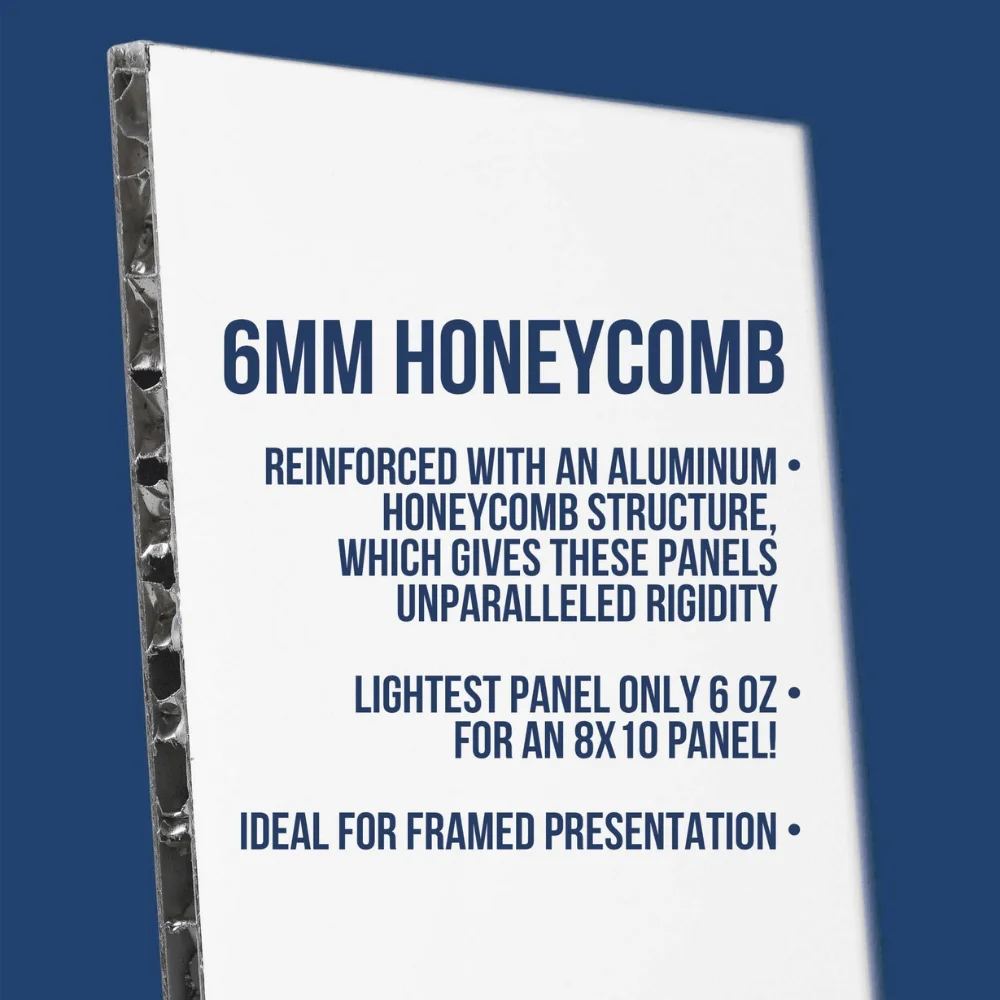
If you are building something truly massive, Artefex also manufactures 6mm honeycomb and large custom panels up to 5×10 feet, but that is a different comparison. The custom page notes that for very large sizes they step up to thicker builds.
Surface options are the same, so choose by format
One nice thing here, the paint surface you touch can be identical across both formats. For example, Allinpanel Oil-Primed Linen is offered with the same weave choices, and you can select 3MM or Gallery Panel for the same surface. Same story for acrylic-primed options. That means you can decide based on how you want to hang and handle the piece, not because one format “feels” better under the brush than the other.
Use cases, quick and honest
Best panel thickness for plein air
Pick 3mm. It is thin, light, and fits standard panel carriers. You will thank yourself when you are juggling gear on location. The stability advantage over wood is the bonus, since ACM resists environmental changes that warp thin wood boards.
Studio paintings that will be framed
Go 3mm. It drops into a frame, keeps shipping simple, and costs less than a gallery build. The oil-primed ACM line in 3mm is built for exactly this flow.
Modern, unframed display
Go Gallery Panel. You get the finished object right away, with selectable depth and a straightforward hanging method. The custom product page even calls out that Gallery Panels are made to hang on a wire.
Client deliveries and exhibitions
If you hand off a lot of work directly, Gallery Panels are wonderfully turnkey. If you ship in volume or send work to framers, 3mm may be the better pipeline panel.
Mixed media and texture
Both formats handle weight well because the face is the same aluminum composite. If you like painting the edges or want that sculpture-like presence, Gallery wins. If you want a thin profile behind a deep floater, 3mm wins.
Cost and value
You are paying for structure. The 3mm ACM is the least expensive way to get archival aluminum composite, and the product pages show the wide size and finish range at approachable prices for daily painting. Gallery adds material and labor, so it costs more, but it can save the cost of framing and can increase perceived value because it feels like a finished art object. You can see both options side by side as selectable builds on several Artefex product pages, which makes it easy to compare within the same surface line.
If you need dozens of boards for studies or a workshop, 3mm is the efficient choice. If you are preparing a show where presentation is part of the sale, Gallery often pays for itself.
Practical Q&A
Can I hang 3mm without a frame
Yes, but you will likely add a sub-frame or a hanging system on the back. Artefex’s custom page lists two hardware solutions for non-gallery panels, which is a clue about how artists approach 3mm and 6mm boards. For Gallery, the wire-and-go approach is built in.
Will 3mm warp in a humid studio
ACM is specifically chosen because it has very low response to humidity and temperature. That is the big advantage over wood. Artefex’s “Why Paint on ACM” articles emphasize this point.
Can I get the same oil-primed linen on both
Yes. The Allinpanel pages let you choose 3MM or Gallery for the same weave and priming, so your brush feel stays consistent while the presentation changes
Decision guide you can skim
- Choose 3mm ACM if you want the lightest archival board for daily painting, plein air, workshops, and any piece that will be framed. It is the practical, cost-smart option and still feels premium because it is aluminum composite, not wood.
- Choose Gallery Panel if you want a ready-to-hang object with a modern profile, custom depth, and enough stiffness to stay straight at larger sizes. It is the best fit for unframed display and cohesive series that need a consistent side view.
If you have an upcoming show, consider mixing both. Use Gallery for the centerpiece works that must look finished out of the box, and 3mm for studies or framed pieces that complement them. Since the same surfaces exist on both formats, the collection will still read as one body of work.