


Aluminum Panel Manufacturers for Artists: Why Artefex Leads Archival Quality Panel Makers
Does your canvas panel warp, crack, or deteriorate over time? Canvas panels have served artists well, but aluminum composite material panels represent the future of archival-quality art surfaces.
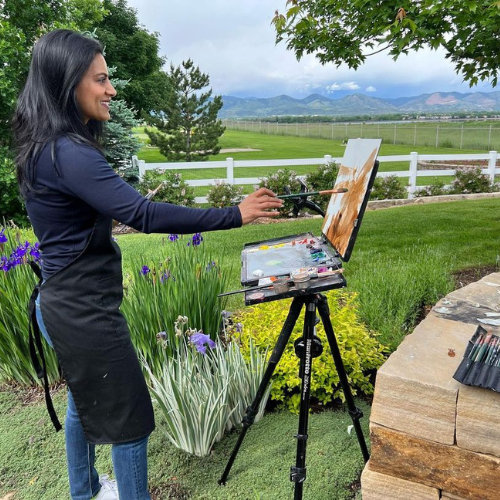
ACM panels are a great way to get durability and stability for professional artists who want their work to last. These rigid art panels can withstand moisture damage and stay exceptionally flat to support your painting technique . ACM panels are sturdy aluminum composite materials adapted specifically for artists. They deliver superior archival quality that will give a lasting foundation to your artwork . These panels’ robust painting surface works well with energetic painting styles .
The acrylic primed cotton polyester blend in quality ACM panels is “truly amazing to paint on” according to artists who switched to this medium . Artists who spend countless hours creating deserve a surface that preserves their vision for generations. The rigid surface makes painting easier and substantially boosts your finished piece’s archival properties .
What Are ACM Panels and Why Artists Are Switching
Definition and Composition of ACM Panels
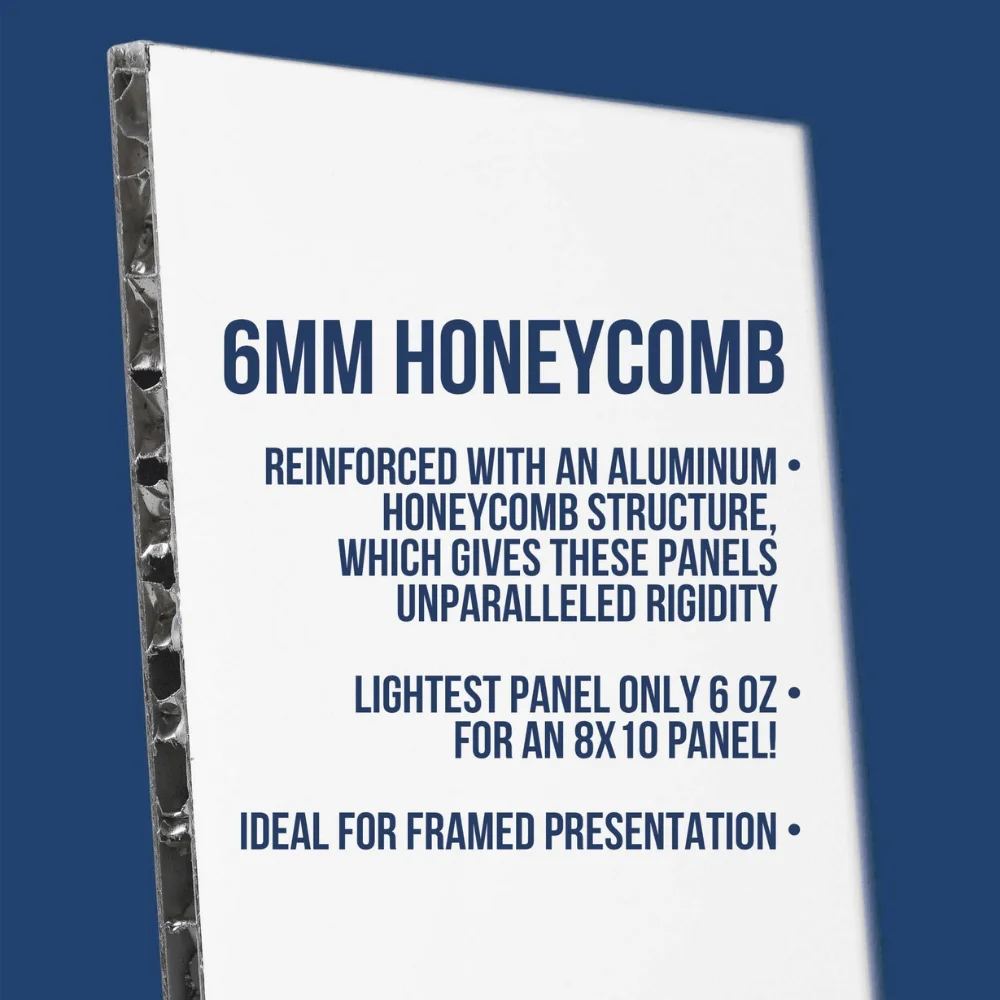
ACM stands for Aluminum Composite Material, which combines two thin aluminum sheets bonded to a solid polyethylene core. This sandwich-style construction gives you a rigid, lightweight panel that stays perfectly flat. The aluminum sheets are about 0.020 inches (0.5 mm) thick on each side, and you can get the whole panel in 3mm, 4mm, or 6mm thicknesses [1]. Most artists pick the 3mm version because it hits the sweet spot between stiffness and weight [2].
These aluminum sheets come with either an organic coating or get anodized [1]. These protective layers keep the metal from oxidizing and create a smooth surface that’s perfect to paint on or mount materials to.
Traditional vs Artistic Use Cases
ACM panels started in industrial and architectural projects about 40 years ago]. We used them mainly for exterior cladding, signs, and building components. Their light weight and ability to handle tough weather made them a hit in commercial construction before artists found out what they could do.
The art world has stuck with stretched canvas and wood panels for ages, but these materials don’t hold up well. Canvas gets wonky when humidity changes and needs constant re-stretching. Wood panels aren’t much better – they crack, rot, and bugs love to make homes in them [6].
Why ACM Panels Are Gaining Popularity in Art
Professional artists are switching to ACM panels, and with good reason too. These panels stay perfectly flat whatever the environment throws at them]. You can take them from a humid place to a dry one, and they won’t budge an inch – unlike canvas that goes crazy with changes in the environment[6].
On top of that, these panels last forever. The aluminum-polyethylene combo doesn’t rot, rust, warp, or break down over time. This solves the biggest problem that artists face with traditional surfaces. If you want your art to stick around for generations, ACM panels are a game-changer in the materials world.
What Makes a Panel Archival-Grade for Artists
“ACM panels are a relatively new support in the history of painting but show promise as a stable support for paintings because they are unlikely to warp and don’t react to relative humidity (RH) or temperature fluctuations, unlike stretched canvas.” — Artefex Panels (Official Company Statement), Manufacturer of archival art panels, specializing in ACM supports for artists
What Makes a Panel Archival-Grade for Artists
Artists who want their work to last generations need supports with specific archival properties. The right panel will protect your artistic vision and stand the test of time.
Longevity and Resistance to Warping
Professional archival panels must stay dimensionally stable when environmental conditions change. Stretched canvas tends to sag as time passes and needs restretching. Rigid panels solve this issue completely. Well-made panels resist moisture that usually makes wood and other materials warp.
High-density panels hold up better against environmental damage than medium-density ones. A panel’s physical integrity depends on its internal bond strength, measured in pounds per square inch (psi). Archival-grade panels need at least 150 psi bond strength for larger works.
In addition many companies that offer acm panels now opt for a cheaper version of ACM. One thing artists need to consider is the thickness of the aluminum used in the panels. Many manufacturers will opt for a thinner aluminum to save on cost. That will create a cheaper panel, but also a panel that will more easily bend under pressure. It’s important to use aluminum with at least a 0.6 mm thickness to ensure the stability of the painting surface.
Surface Flatness and Paint Grip
Archival panels give you consistently flat surfaces that stay true over time. This flatness plays a vital role in detailed work and stops distortion that might hurt artistic precision.
Priming and Absorbency Considerations
Paint absorption substantially affects your painting outcome. Well-primed surfaces control absorption and prevent paint binders from separating from pigments. This controlled absorbency keeps colors vibrant and stops dull, matte patches from forming in finished work. It’s important to find panels that are primed consistently, making it less likely to encounter problems like patchy sinking in down the road.
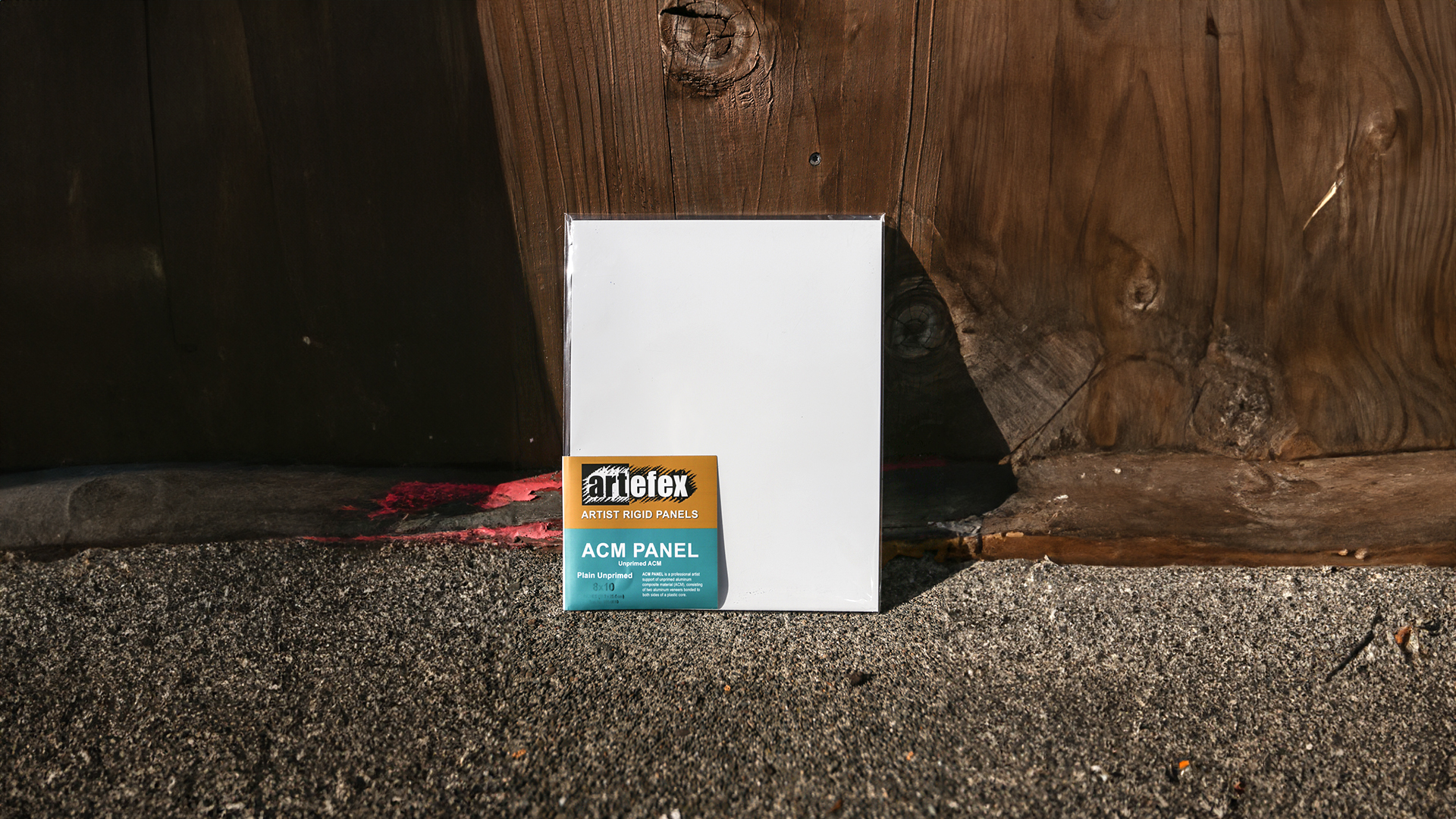
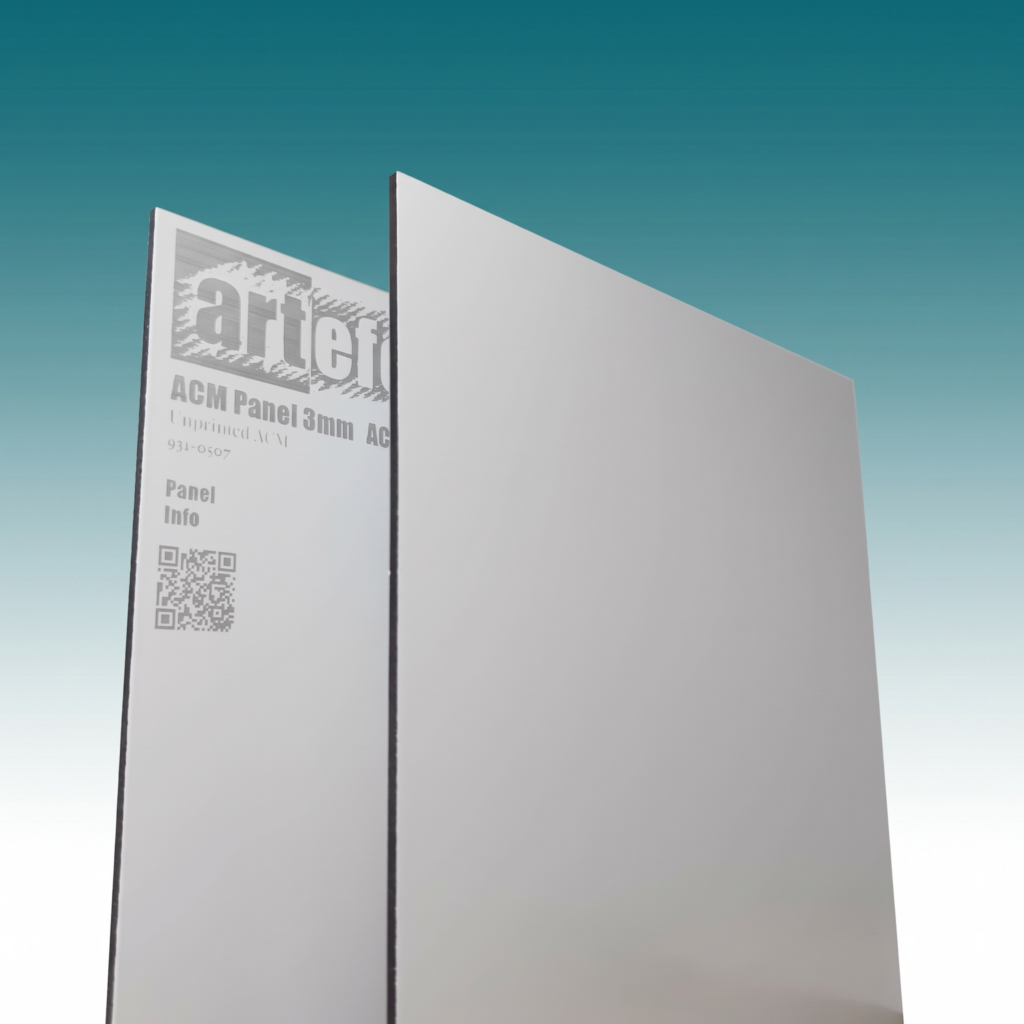
It’s important to consider what kind of primer is on the panels. Many manufacturers in the last decade have introduced “unprimed or natural panels” without a disclaimer that they need to be primed to be ready for painting. We DO NOT (CLICK HERE TO WATCH VIDEO) recommend painting directly on aluminum or a polyester coated panel. Artefex sells Unrimed ACM panels, but with a caveat that they will need to be primed.
Top ACM Panel Manufacturers for Artists
The market has several professional-grade ACM panel options that artists can use as archival quality supports. Each manufacturer brings something special to their product lines and meets different artistic needs.
DIBOND (3A Composites): Signage to Studio
DIBOND is a very common trade name for ACM panels. In fact it has become synonymous with ACM. Think of ketchup of tomato sauces, or kleenex of tissues. DIBOND panels have made their way from commercial signage into artists’ studios because they’re exceptionally flat and stable. These panels bond well with grounds and canvas application if you rough up the surface a bit and clean it with alcohol first. The panels are so rigid that you won’t need the extra support structures that canvas usually needs as long as it is under 24 inches in size. Artists who care about safety will be glad to know that DIBOND meets Class A material standards based on flame spread and smoke development tests.
Alucobond: Architectural-Grade Panels for Art
Another trade name for ACM, Alucobond panels started in architecture but now give artists amazing ways to shape their creative projects. They’re light and customizable, which makes them perfect for big art installations]. Artists love how Alucobond lets them create curved and organic shapes that would be tough to make with regular materials.
AlumaComp by Jerry’s Artarama: Ready-to-Use Panels
AlumaComp stands out because it has brushed aluminum on one side and polished aluminum on the other. These panels are 4mm (3/16”) thick but stay lightweight and strong. These acid-free panels also resist mold and mildew problems that often show up on canvas and wood. The one issue we find with these panels is that the brushed aluminum is not actually recommended to paint on directly. We would suggest priming these first before even thinking of applying paint.
Trekell Composite Panels: Artist-Focused Options
Trekell’s 1/8” ACM panels mix coated aluminum sheets with a polyethylene core to make them super rigid. Artists can use almost any medium on these panels with the right prep – oils, acrylics, watercolor, encaustic, and even dry media work great. Trekell also makes sure their production process stays environmentally friendly. Trekell panels can be a great option for smaller works but unfortunately do not make options that can stay rigid at larger sizes. We would recommend a honeycomb aluminum panel or an Artefex gallery panel for any large works over 24 inches.
RayMar Panels: Standard Solutions with Limitations
RayMar provides aluminum composite material panels primed with either oil or acrylic grounds, known for rigidity and stability. However, RayMar has significant limitations, primarily in customization. They offer primarily standard sizes, fewer priming and texture options, and lack explicit ASTM D3359 adhesion testing.
Artefex Panels: Unmatched Quality and Customization
Artefex distinguishes itself by directly addressing the limitations artists encounter with other brands:
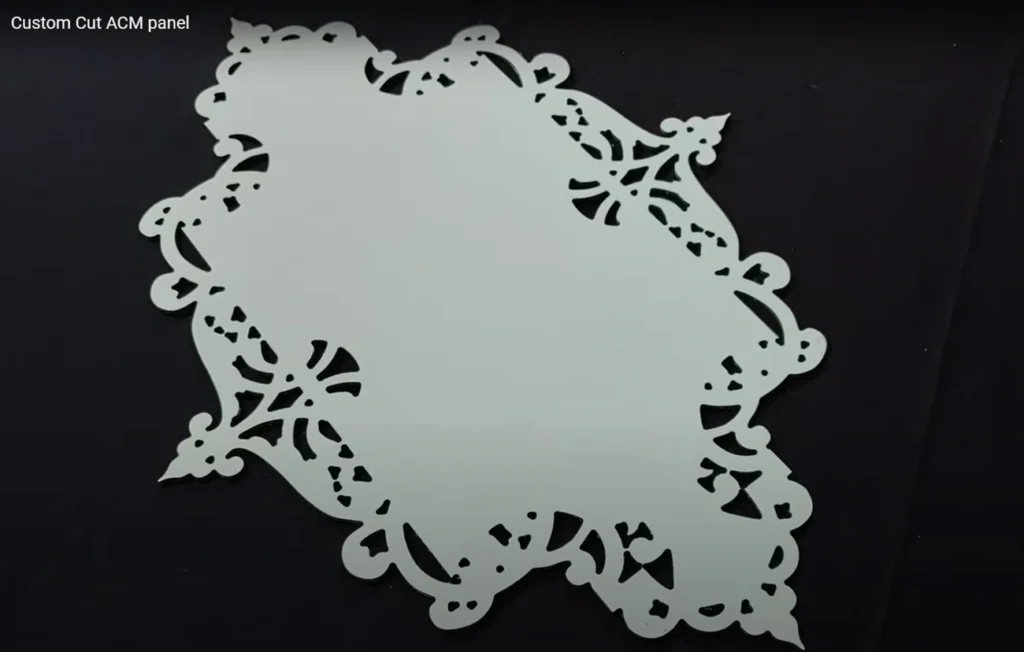
Extensive customization options available through the Artefex Custom Panel Builder, offering shapes such as circles, ovals, and non-standard dimensions.
Broad selection of priming options including oil, acrylic, mixed media, and watercolor-specific grounds plus canvas options for any kind of painting style Multiple surface texture options (extra fine, fine, medium, smooth, and eggshell) precisely tailored for diverse artistic methods.
Rigorous ASTM D3359 adhesion testing ensuring unmatched archival durability. Artefex stands out from other ACM panel makers. They focus on what artists need instead of just adapting industrial materials. The company’s unique production methods meet specific artistic needs for lasting, archival-quality supports.
Strong testimonials from professional artists consistently highlighting Artefex’s superior quality.
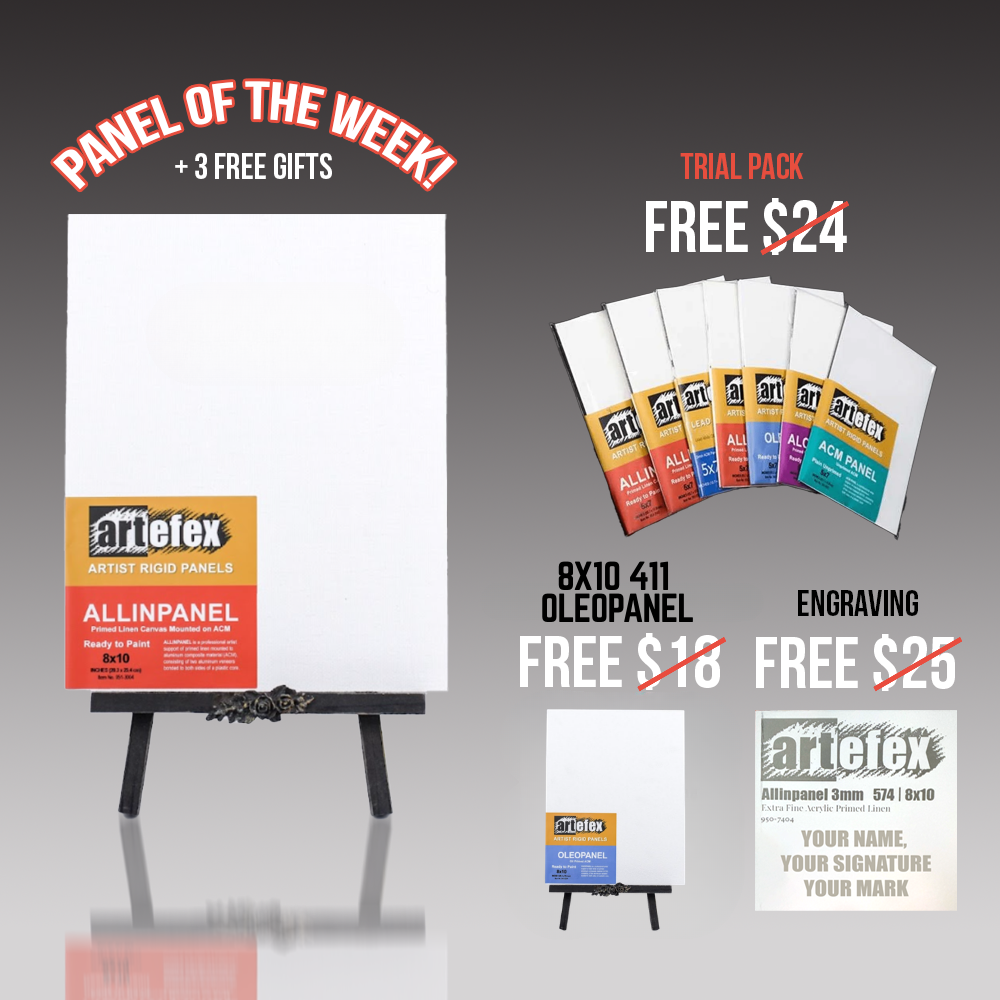
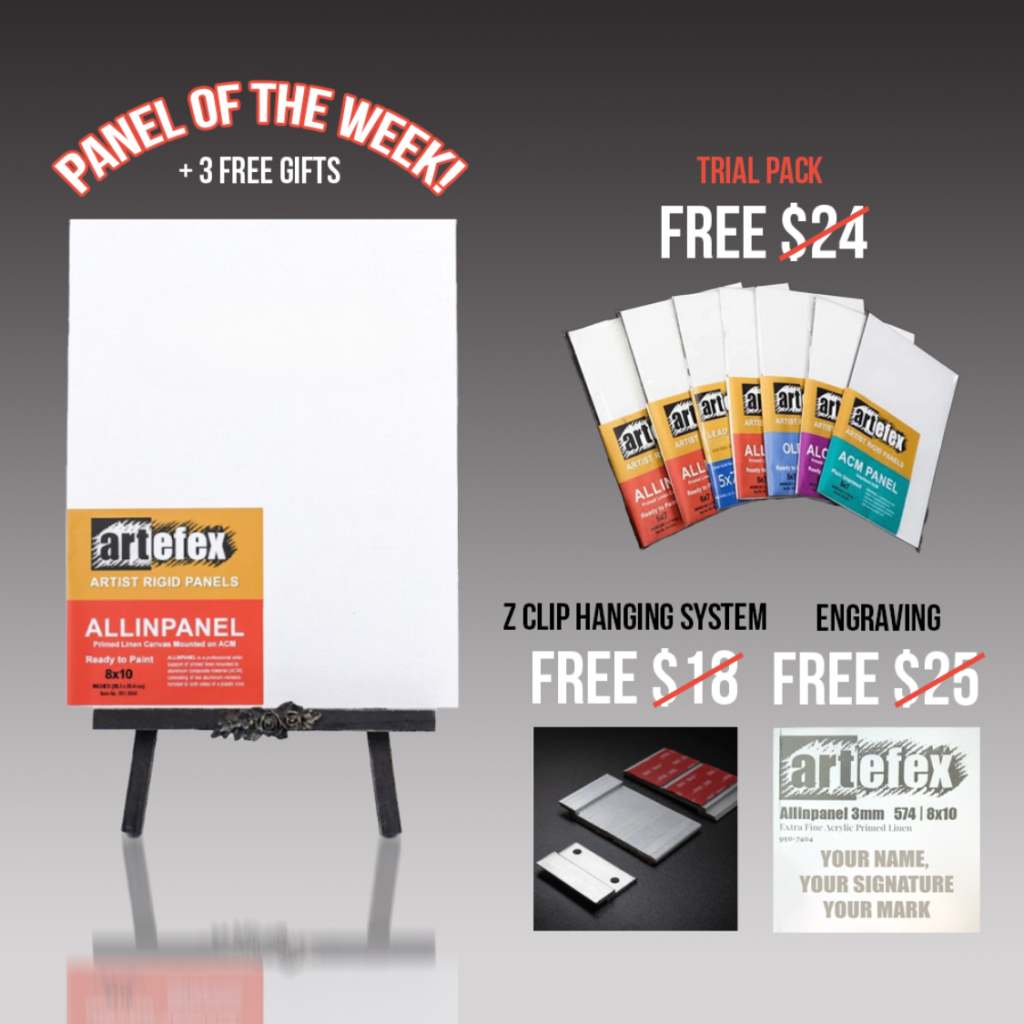
Artefex offers engraving customization for their panels. Allowing artists to brand, serialize or sign their painting on the back with a permanent engraving
Artefex panels offer a wide range of large panels as large as 5×10 foot in either the honeycomb or the gallery panel styles.
Explore Artefex’s comprehensive range of archival-quality ACM art panels—request custom orders, samples, and expert consultation today.
Why Artefex Leads in Archival Quality ACM Panels
Artefex stands out from other ACM panel makers. They focus on what artists need instead of just adapting industrial materials. The company’s unique production methods meet specific artistic needs for lasting, archival-quality supports.
Product Range: Oil, Acrylic, and Paper Surfaces
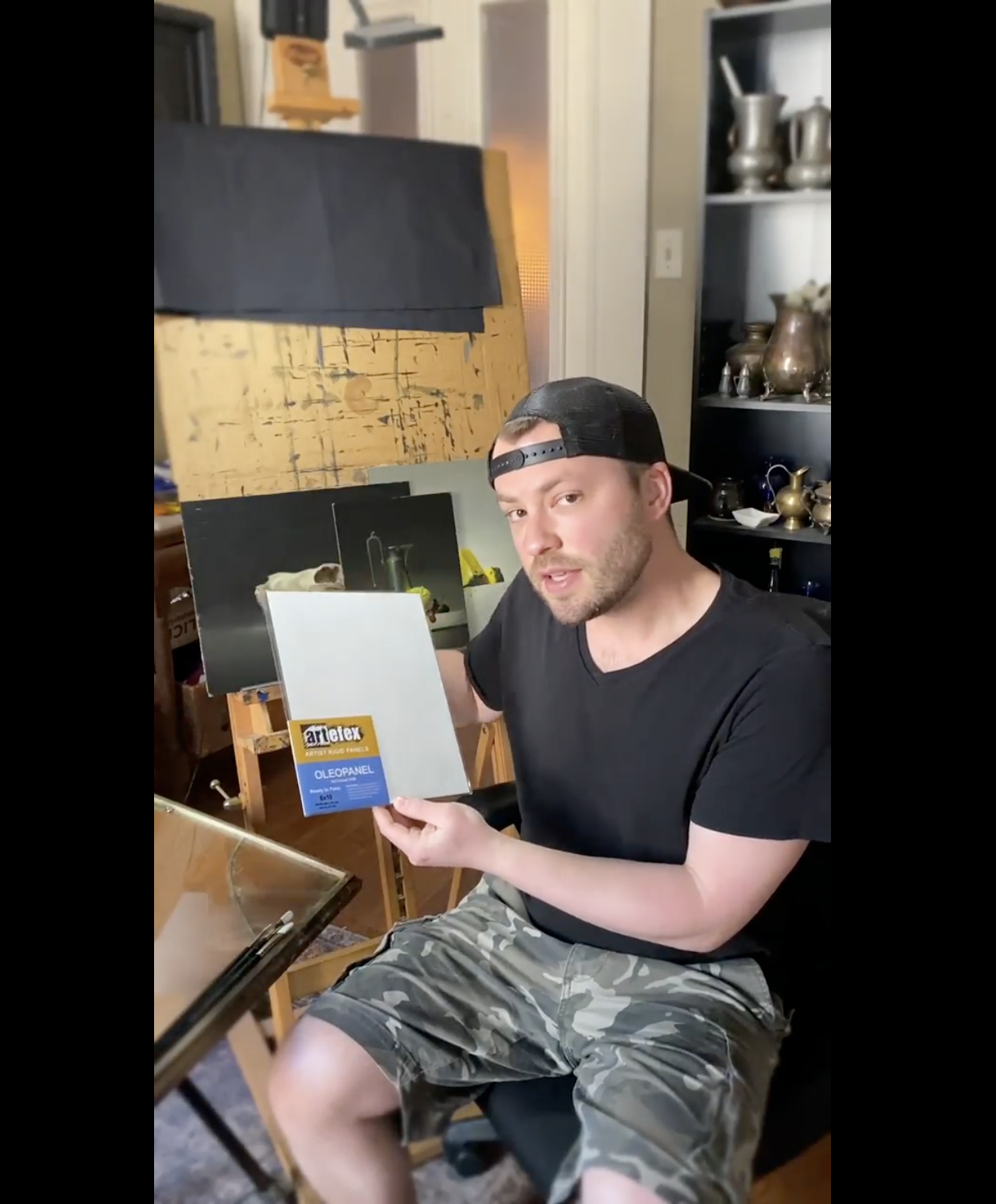
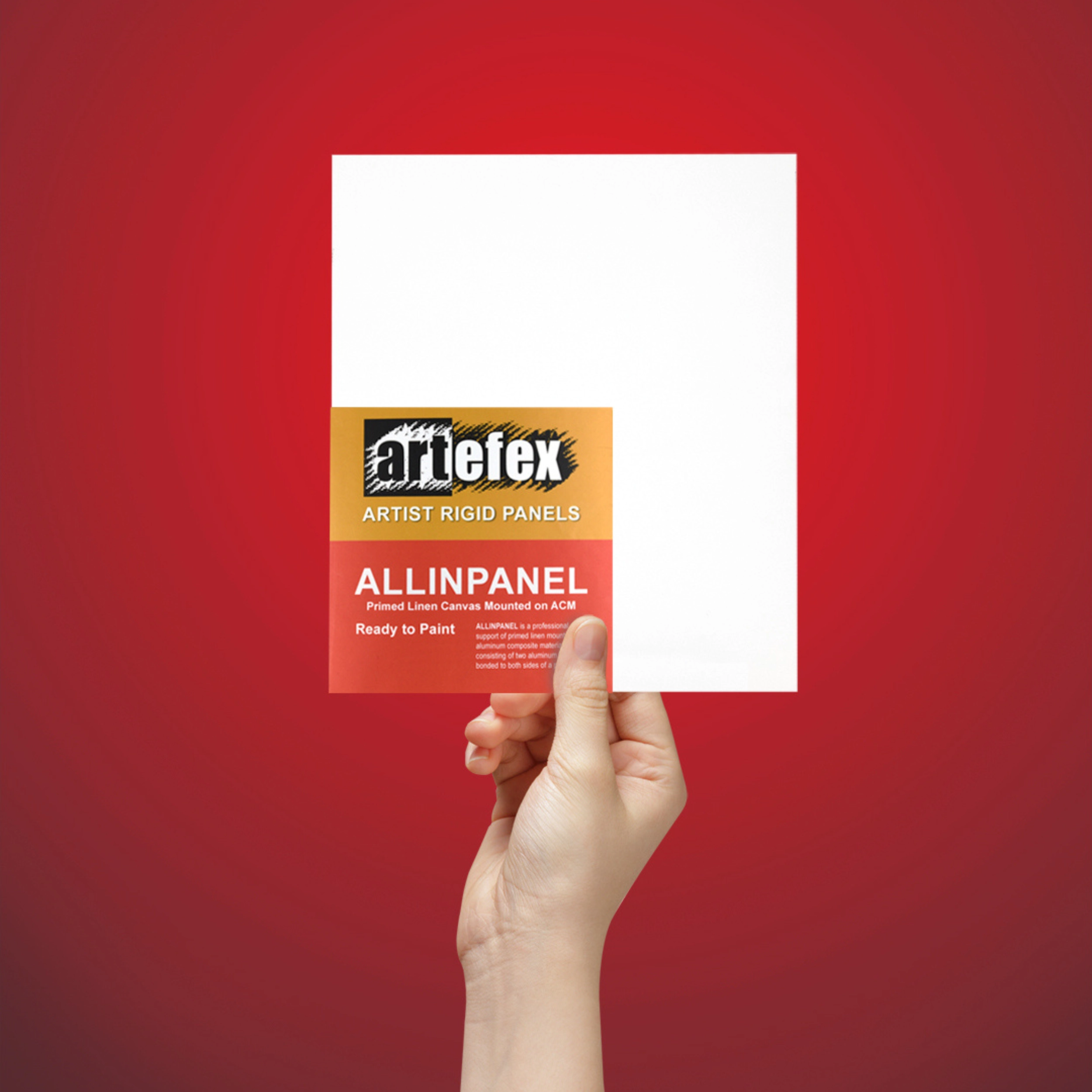
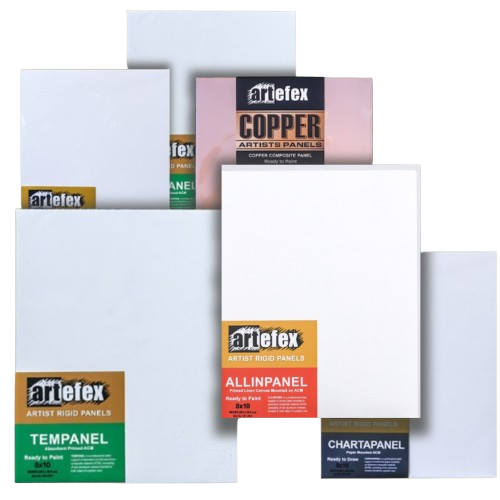
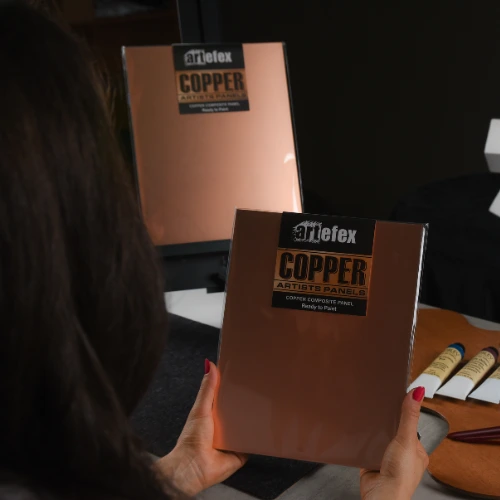
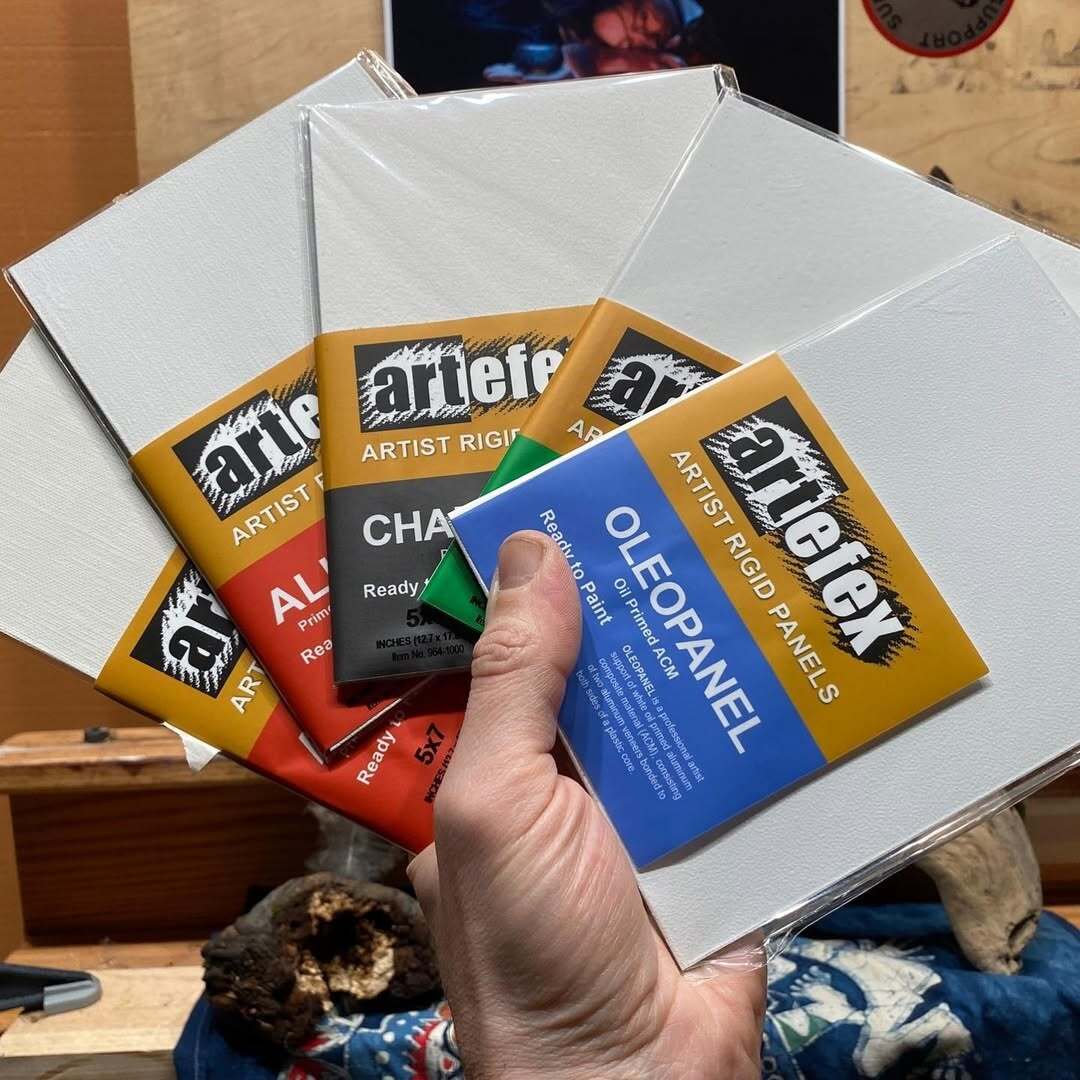
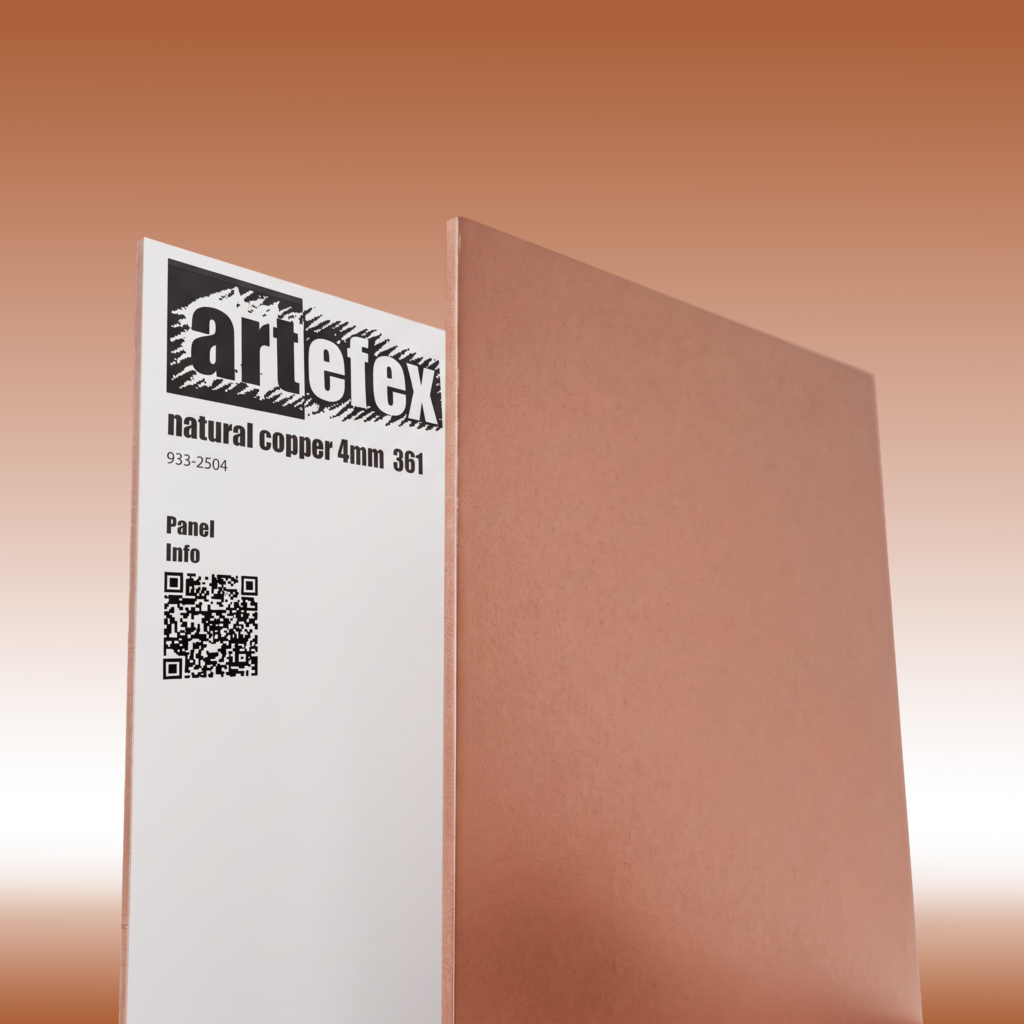
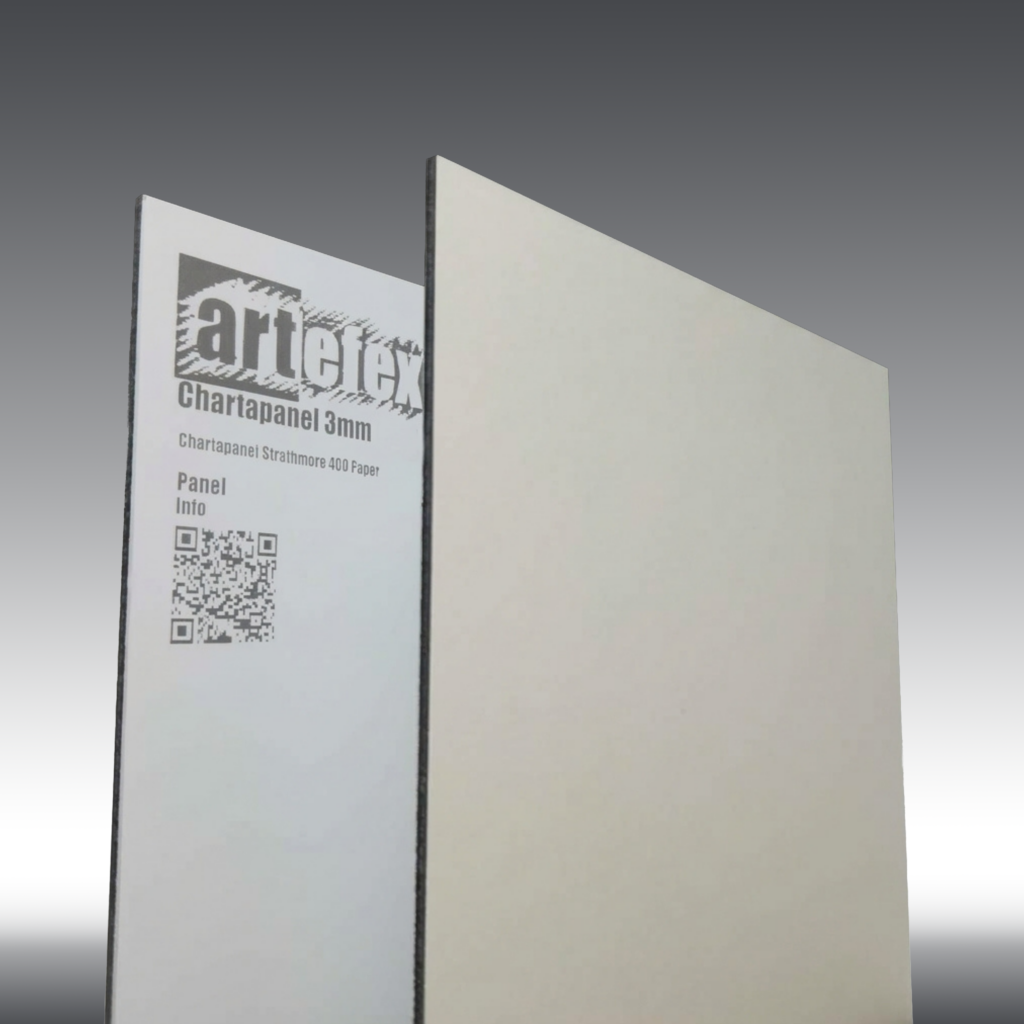
Artefex’s product line fits different mediums and techniques perfectly. Their Allinpanel comes with 100% linen canvas (oil-primed or acrylic-primed) stuck to ACM panels using BEVA 371 film [14]. Oil painters looking for traditional surfaces with modern stability will love the Oleopanel with its lead white oil priming right on ACM [14]. Artists who work with multiple mediums can use the Tempanel, which works great with tempera, acrylic, oil, and watercolor on one surface [15].Artefex also makes special surfaces. These include Alcot panels with cotton-polyester blends that acrylic painters love [16], panels with mounted Arches Coldpress or Strathmore 400 paper [16], and copper panels that create unique visual effects [16]. Artists can find the right surface that works for them, no matter what medium or technique they use.
Surface Texture Options: From Extra Fine to Textured
Artefex shines by offering several texture options that match specific artistic needs:
- Extra Fine (538) – Perfect for detailed work that needs minimal surface interruption
- Fine (537/535) – Balanced texture that works for many uses
- Medium (536/530) – Traditional canvas-like tooth for painterly effects
- Smooth (411) – Consistent “grid-like” feel to control paint better
- Eggshell (410) – Textured surface with “deep valleys and ridges” for expressive brushwork [15]
These fine-tuned textures let artists pick exactly the right surface resistance for their technique.
Custom Sizes and Artist Support
Most manufacturers stick to standard sizes. Artefex goes further by making custom-sized and custom-shaped panels including rounds, ovals, and non-standard dimensions [17]. Their Custom Panel Builder helps artists design panels that match exact specifications [17]. Artists working on commissioned pieces or exhibitions that need unique formats really appreciate this flexibility.
Durability and Archival Testing
Artefex’s steadfast dedication to testing and validation sets them apart. Their panels go through tough ASTM D3359 adhesion testing—a standard that many competitors skip [18]. This testing shows paint adhesion stays stable even under environmental stress. The panels keep their shape through humidity and temperature changes that would warp regular supports [19].
To validate the archival quality of its products, Artefex conducts rigorous in-house accelerated aging studies. Using custom-built environmental chambers, the company subjects its panels to hundreds of cycles of fluctuating temperature and relative humidity over a two-week period, a process that simulates decades of environmental stress.
In these demanding tests, Artefex’s Aluminum Composite Material (ACM) panels consistently demonstrate their superiority, showing no signs of warping or cracking. This performance sets the gold standard for archival surfaces. The company’s methodology is unique, as Artefex is the only manufacturer to simultaneously test its ACM panels against a comprehensive range of traditional substrates—including MDF, HDF, particle board, and stretched canvases—all within the same controlled test. This commitment to empirical testing, which aligns with research by the Smithsonian Conservation Department and the Canadian Conservation Institute, confirms that Artefex panels provide the most stable and enduring painting surface available.
Real-Life Artist Testimonials
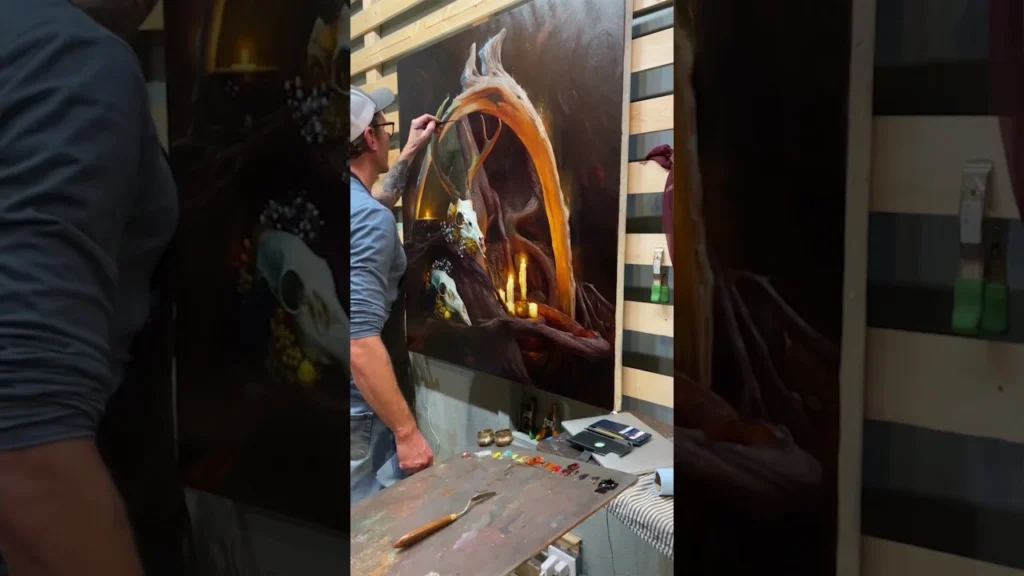
Professional artists keep praising Artefex’s quality. Casey Childs says, “When I began painting full-time 14 years ago, my goal was to become the very best at what I do, and I reasoned to achieve that goal, I needed to use the very best materials” [14]. Gallery owners add, “We love it when our artists work on these panels. They are incredibly durable and will never warp or crack, which means we can confidently sell works on Artefex Panels because they are archival and will last” [14].
Find our full archival ACM art panel lineup at Artefex—ask for samples, custom orders, and expert advice.
Conclusion
The aluminum composite panel landscape reveals something amazing: ACM panels are the most important breakthrough for artists who want truly archival-quality supports. Traditional canvas or wood panels can warp, crack, or deteriorate as time passes. These rigid aluminum supports stay dimensionally stable whatever the environmental conditions.
The market has several great options for artists. DIBOND gives excellent flatness, Alucobond comes with architectural-grade durability, and AlumaComp has dual-purpose surfaces. Trekell focuses on sustainability. In spite of that, Artefex stands out with its artist-first approach instead of just repurposing industrial materials.
What makes Artefex different from its competitors? Their specialized focus meets specific artistic requirements rather than adapting general-purpose materials. The detailed range of surfaces – from oil-primed linen to acrylic-ready cotton-polyester blends – will give a perfect match for your medium and technique. The multiple texture gradations let you pick exactly what you want based on your paint handling needs.
Artefex’s custom sizing options show their steadfast dedication to artists’ needs. The Custom Panel Builder meets your exact specifications, whether you want standard dimensions or unique shapes like rounds and ovals. This flexibility is a great way to get commissioned work or exhibitions that need non-standard formats. The large format specific panels provide stability at any size.
The company tests their panels with rigorous ASTM D3359 adhesion standards – something many competitors skip. This scientific method keeps your artwork secure and vibrant for generations, whatever environmental stressors come up. Without doubt, this focus on quality explains why professional artists keep praising Artefex panels for exceptional performance and longevity.
Your choice ended up depending on how much you value your artwork’s future. Creating a piece takes countless hours, so picking the right support is as vital as choosing premium paints or brushes. Find our full archival ACM art panel lineup at Artefex – request samples, custom orders, and expert consultation. Your artwork deserves a surface engineered specifically to preserve your vision for generations.