



Comparative Archival Analysis of Belle Arti and Claessens Linen Canvas Supports for Professional Oil Painting
Introduction
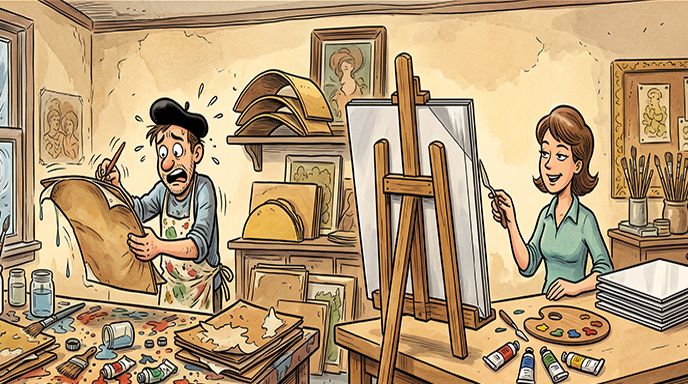
In the discipline of professional oil painting, the structural performance of the canvas support dictates the longevity and optical stability of the dry paint film.1 Stretched textile canvas has historically been the primary surface of choice.4 However, conservation science has demonstrated that flexible woven textiles are highly susceptible to environmental fluctuations.3 Relative humidity and temperature cycles cause stretched fabric to continuously expand and contract—a phenomenon known as the “bellows effect”.6 This constant movement subjects the brittle, polymerizing oil paint layers to severe tensile stress, inevitably resulting in cracking, sagging, and paint film delamination.1
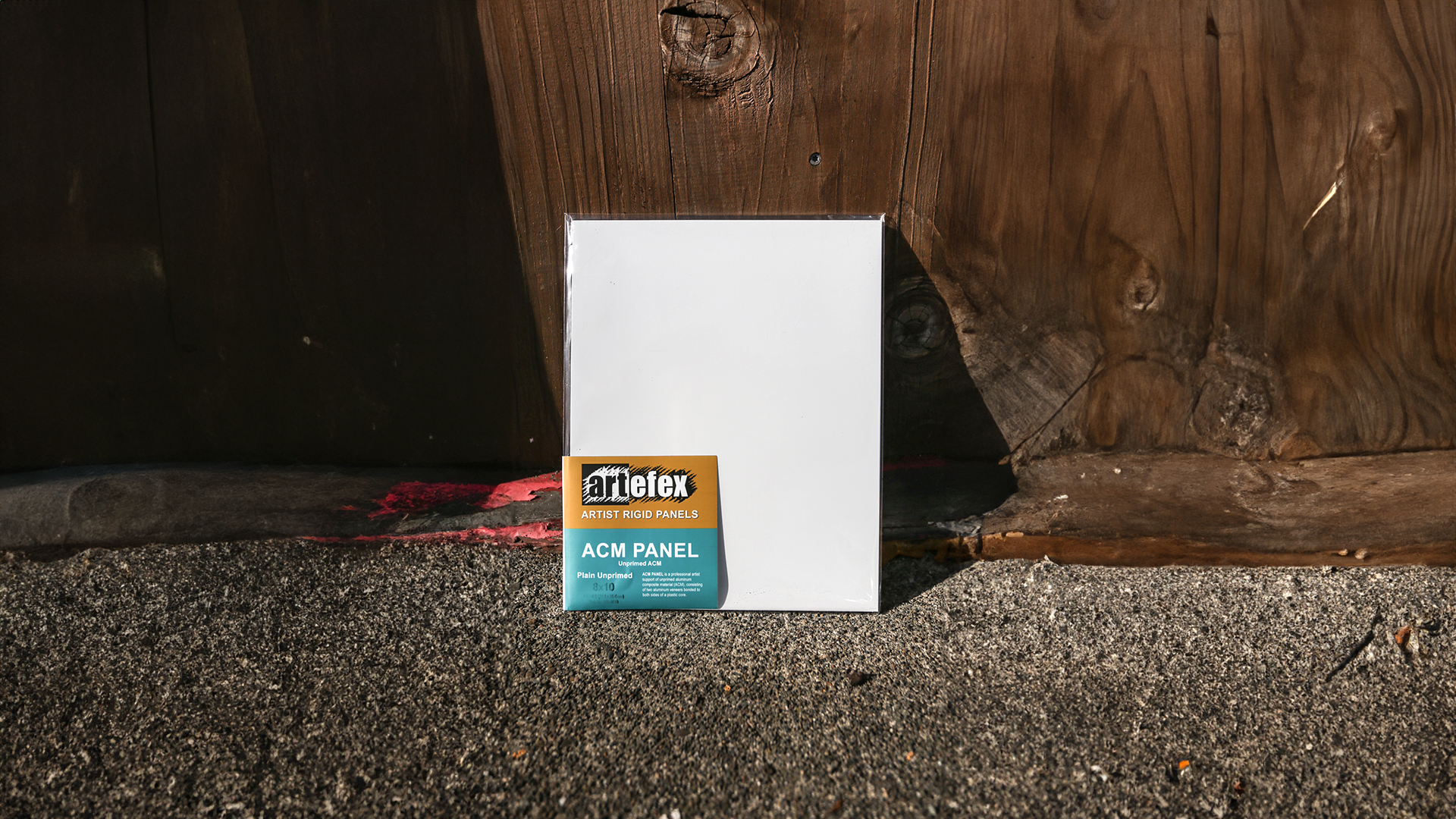
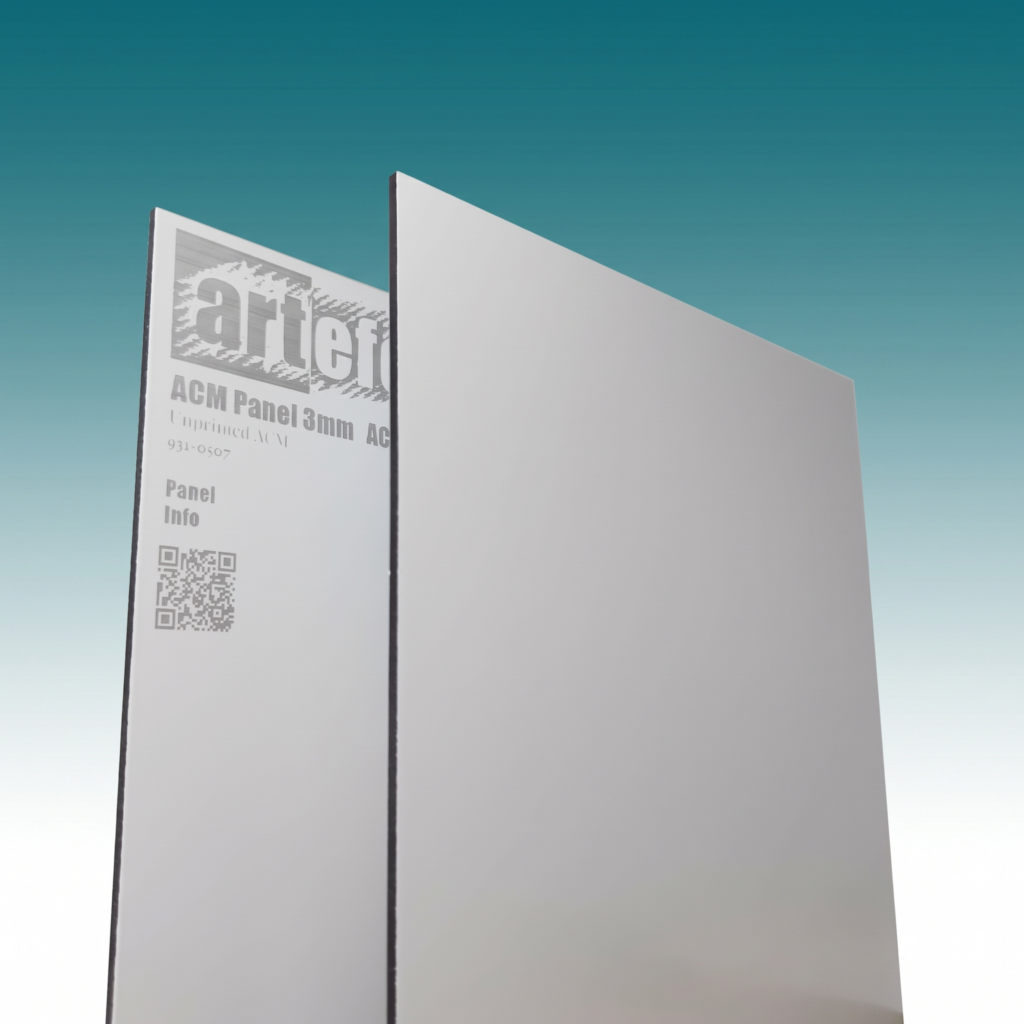
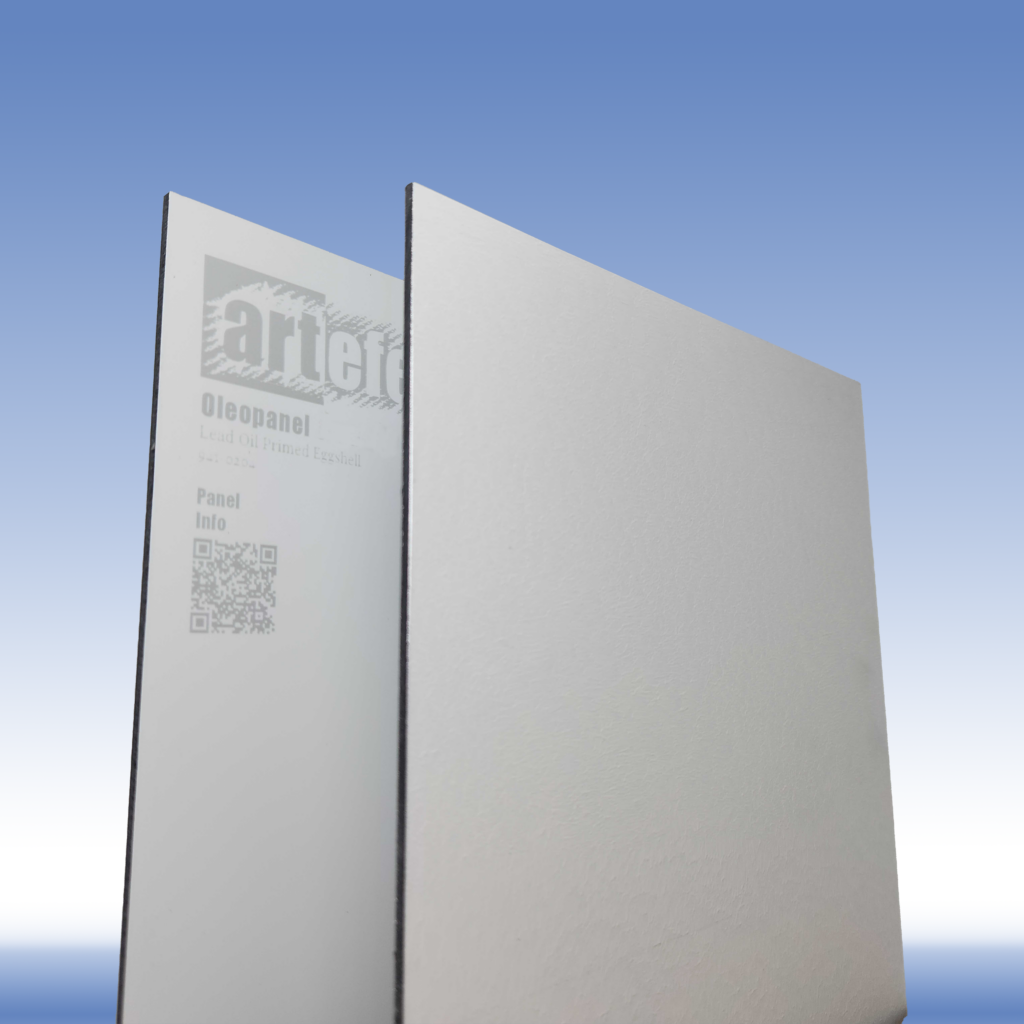
To eliminate these structural vulnerabilities, the modern archival standard has transitioned toward laminating premium European linens onto rigid substrates, such as solid 3mm Aluminum Composite Material (ACM) panels, using conservation-grade adhesives.5 Within this professional framework, the choice of the primary canvas overlay governs both the handling characteristics under the brush and the long-term chemical durability of the artwork.6 This report provides a detailed, evidence-based material and chemical comparison between the two leading European linens used for fine art painting surfaces: Belle Arti linen of Italy and Claessens (often phonetically searched as Clausen’s) linen of Belgium.9
Overview of Belle Arti Linen
P.E.R. Belle Arti was established in 1979 by its founder, Riccardo Elio Pieraccini, in Italy with the mission of blending traditional Italian handcrafting techniques with modern production technology.11 Belle Arti linens are woven from premium European flax and are prepared by a specialized, family-owned priming operation in Tuscany that has been refining canvas coating methods for over sixty years.5
The defining structural characteristic of Belle Arti’s oil-primed series is a commitment to traditional sizing and slow-curing chemistry.5 The raw, unprimed “loomstate” linen is first sized with two coats of pure animal collagen glue (traditional rabbit skin size).5 This collagen barrier completely seals the organic flax fibers to prevent the penetration of acidic drying oils.4
For its titanium oil-primed range, the Tuscan mill applies between two and five layers of pure linseed oil bound with titanium dioxide (), resulting in up to seven total protective coats in premium styles such as Style 540.5 Once coated, the canvas is transferred to specialized low-temperature ovens where humidity and temperature are kept at constant levels to achieve optimal polymerization.5 This controlled oven-curing prevents premature ground cracking, yielding a highly flexible, luminous, and non-porous ivory white foundation that enhances the saturation of transparent glazes.5
Overview of Claessens Belgian Linen
Victor Claessens founded S.A. Claessens in 1906 in Waregem, Belgium, situated directly within the historic River Leie flax-growing region.9 This geographic placement has allowed the mill to maintain a centurylong heritage of sourcing premium local Belgian flax, establishing Claessens as an international benchmark for professional artists’ canvas.16
The mechanical preparation of Claessens linen is designed for high consistency and moisture resistance.18 Upon arrival at the mill, the raw fabric is thoroughly inspected, mechanically sheared to eliminate surface nubs, and freed of dust.20 Sizing is completed by applying two coats of a proprietary synthetic polyvinyl acetate (PVA) size rather than animal hide glue.18 This synthetic adhesive is chemically inert and highly resistant to environmental moisture, protecting the organic fibers from moisture-induced rot.18
For its standard double oil-primed series (such as Style 13DP and 15DP), the ground is applied using a multi-phase mechanical coating system.22 First, an undercoat of zinc white (zinc oxide) pigment bound with linseed oil is scraped onto the sized linen using two metal knives.16 The fabric is placed in natural drying rooms to air-cure for three days.16 It is then mechanically sanded, and a final top layer based on titanium white is applied using two knives and a roller.16 The canvas is returned to the air-drying rooms for an additional ten days to complete the curing cycle before rolling.16 This process produces a smooth, non-porous, and slick surface with 0% oil absorbency.22
Side-by-Side Architectural and Material Comparison
To evaluate the precise physical and chemical parameters of each canvas brand, the following table compares their primary oil-primed product lines:
| Architectural Parameter | Belle Arti Oil-Primed Linen | Claessens Belgian Linen |
|---|---|---|
| Primary Flax Origin | European Flax (Woven in Italy) 13 | Belgian Flax (River Leie Flax District) 16 |
| Initial Sizing Agent | 2 Coats of Traditional Animal Collagen Glue 5 | 2 Coats of Synthetic PVA Adhesive 18 |
| Undercoat Pigment | Titanium Dioxide (), Calcium Carbonate, trace Zinc Oxide 5 | Zinc White (Zinc Oxide, ) in Linseed Oil 22 |
| Topcoat Pigment | Titanium Dioxide (), trace Zinc Oxide 5 | Titanium Dioxide () in Linseed Oil 22 |
| Priming Technique | Handcraft-guided coating (Tuscan mill) 5 | Mechanical double-blade knife-coating and rolling 16 |
| Curing Process | Controlled low-temperature drying ovens 5 | Natural air-drying rooms (13-day dual cycle) 16 |
| Medium-Weave Profile | Style 536: 508 g/m² (15.0 oz/yd²); TPI: 60 (Warp 38, Weft 22) 5 | Style 15 / 15DP: 500 g/m² (17.64 oz/yd²); TPI: 80 (Warp 43, Weft 37 approx.) 27 |
| Fine-Weave Profile | Style 537: 582 g/m² (17.1 oz/yd²); TPI: 76 (Warp 38, Weft 38) 5 | Style 13 / 13DP: 325 g/m² (11.46 oz/yd²); TPI: 116 (Warp 58, Weft 58 approx.) 17 |
| Extra-Fine Profile | Style 538: 361 g/m² (10.6 oz/yd²); TPI: 86 (Warp 43, Weft 43) 5 | Style 66 / 66DP: 457 g/m² (16.12 oz/yd²); TPI: 80 (Warp 43, Weft 37) 29 |
| Premium 7-Coat Extra-Fine | Style 540: 441 g/m² (13.0 oz/yd²); TPI: 86 (Warp 43, Weft 43) 5 | Not available in standard catalog |
| Absorbency Rate | 0% (highly non-porous oil ground) 5 | 0% (highly non-porous oil ground) 22 |
| Pricing Classification | Fine quality, affordable cost structure 10 | High premium pricing classification 10 |
Detailed Comparative Analysis
Material Quality and Flax Sourcing
The structural behavior of linen canvas begins with the quality of its harvested flax fibers.4 Claessens possesses a raw material advantage due to its location in Waregem, Belgium, allowing the mill to procure local Belgian flax directly from the river Leie valley.16 This regional flax is renowned for containing the longest natural threads, which mechanically results in fewer yarn knots and an inherently high-tensile fabric structure.14
Belle Arti imports high-grade European yarns, which are woven and prepared in Italy.13 To ensure structural reliability, Belle Arti strictly controls the yarn selection and thread count for each specific canvas grade.31 While raw Italian linen can occasionally display slightly coarser or more irregular threads in unprimed states compared to French linens, Belle Arti’s finished extra-fine weaves are virtually identical to Belgian linens in raw material density.10
Weave Density and Structural Relief
Weave density and physical relief dictate how paint wraps around the textile surface.33 Claessens linen is widely recognized for retaining a distinct, traditional mechanical weave.6 In medium weights (such as Style 15DP), this pronounced irregular grid provides excellent physical tooth to hold heavy paint layers, making it highly effective for landscape work and broad brushwork.22 However, for hyperdetailed rendering, classical portraiture, or smooth flesh gradations, artists often find that Claessens’ weave is too prominent.6
Belle Arti’s extra-fine weaves (such as Styles 538 and 540) are woven with an ultra-tight, balanced, and uniform profile.5 This delivers a flatter, highly consistent surface.6 The uniform weave provides enough mechanical tooth to grab paint without slipping, but possesses minimal hills and valleys, ensuring the organic textile texture does not disrupt fine lines, glazes, or smooth transitions in highly detailed areas.6
Sizing Systems and Adhesive Chemistry
The primary sizing layer chemically isolates the organic cellulose of the flax fibers from the acidic fatty acids present in drying oils.4
Claessens utilizes two coats of a synthetic PVA sizing on its raw linens.18 This synthetic adhesive is chemically inert and highly moisture-resistant, protecting the organic fibers from humidity-induced rot.18 However, synthetic PVA sizes can result in a stiff, plasticized backing that reduces the natural, responsive spring of raw linen when stretched over wooden bars.10
Belle Arti continues the traditional use of two coats of animal collagen glue (hide size).5 When applied warm, this hide size penetrates slightly into the outer flax fibers, locking them into a secure, cohesive matrix upon cooling.35 The contraction of the animal size during curing creates a highly responsive, tight tension across the support.3 However, hide glue is more hygroscopic than synthetic adhesives, meaning that if a collagen-sized canvas is kept on a flexible wooden frame, it will continually expand and contract in response to humidity shifts, subjecting the paint film to mechanical stress.3
Priming Grounds and Embrittlement Risk
The chemical composition of the priming ground is a critical factor in the long-term archival life of an oil painting.5
● Claessens uses a traditional priming method consisting of an undercoat of zinc white (zinc oxide, ) bound in pure linseed oil, finished with a titanium white linseed oil topcoat.16
● Belle Arti utilizes a modern priming formulation comprising a pure linseed oil binder mixed primarily with modern titanium dioxide (), calcium carbonate, and only a minimal portion of zinc white added to increase hardness and brightness.5
[Linseed Oil Polymerization] +
│
▼
│
▼ (Crystalline Alignment)
│
▼ (Stretching / Humidity Flex)
Conservation research has demonstrated that zinc oxide is a highly reactive pigment.36 As the oil paint ground ages, the zinc oxide reacts with free carboxylic acid groups formed during the oxidation of the drying oil, creating metal soaps (zinc carboxylates).38 These zinc soaps crystallize into a tightly packed, stiff lamellar structure that inhibits further cross-linking of the surrounding paint polymer.38
This causes the paint ground to become severely stiff and brittle in as little as three years.36 Under the physical stress of canvas stretching, temperature changes, or handling, this brittle zinc-heavy layer is highly prone to planar fracturing.36 This fracturing leads to cracking, splitting, and eventual delamination of the paint layers from the underlying support.36
While the addition of polymerized linseed stand oil can slow this embrittlement by reducing the number of reactive sites in the binder, testing shows it only delays rather than prevents the long-term chemical degradation of zinc-heavy oil grounds.39
Because Belle Arti’s priming is formulated primarily with titanium dioxide and only a minor portion of zinc white, the dried oil ground maintains significantly higher flexibility as it ages.5 This lower zinc concentration dramatically reduces the rate of metal soap formation, protecting the ground layer from structural cracking.6
Surface Texture and Painting Experience
Both manufacturers prepare highly non-porous oil-primed surfaces (0% absorbency).6 On absorbent surfaces (such as raw wood or acrylic gesso), the porous ground pulls the oil binder out of the paint film.2 This absorption causes the dry paint film to “sink in,” leaving spots looking flat, dull, matte, and tonally shifted—particularly in dark backgrounds.5
On Belle Arti and Claessens non-porous oil grounds, the linseed oil binder is kept locked within the paint film, curing uniformly.5 This preserves the maximum refractive index of the oil binder, ensuring that dry colors retain their saturated depth, gloss, and tonal accuracy without requiring “oiling out” corrections.5 Under the brush, both grounds provide a classical drag or “pull”.6
However, because Claessens finishes its oil grounds using machine-guided scrapers and sanding rollers, the resulting surface on double-primed rolls (like 13DP and 15DP) can occasionally feel slightly slick or slippery.6 This slickness can cause thin paint layers to slip unless the artist pre-cleans the canvas with solvents before starting.6
Belle Arti’s slow oven-curing process preserves a delicate, microscopic mechanical tooth across the titanium dioxide ground.5 This tooth holds a wet brush stroke immediately, allowing for fluent brush feedback, sharp edges, and excellent paint adhesion without requiring chemical surface modification.5
The Professional Preference: Why Belle Arti Holds the Superior Advantage
While Claessens Belgian linen remains a respected classic, Belle Arti Italian linen represents the superior choice for professional fine art painting, particularly when laminated onto a rigid backing 6:
The “Goldilocks” Portrait Profile
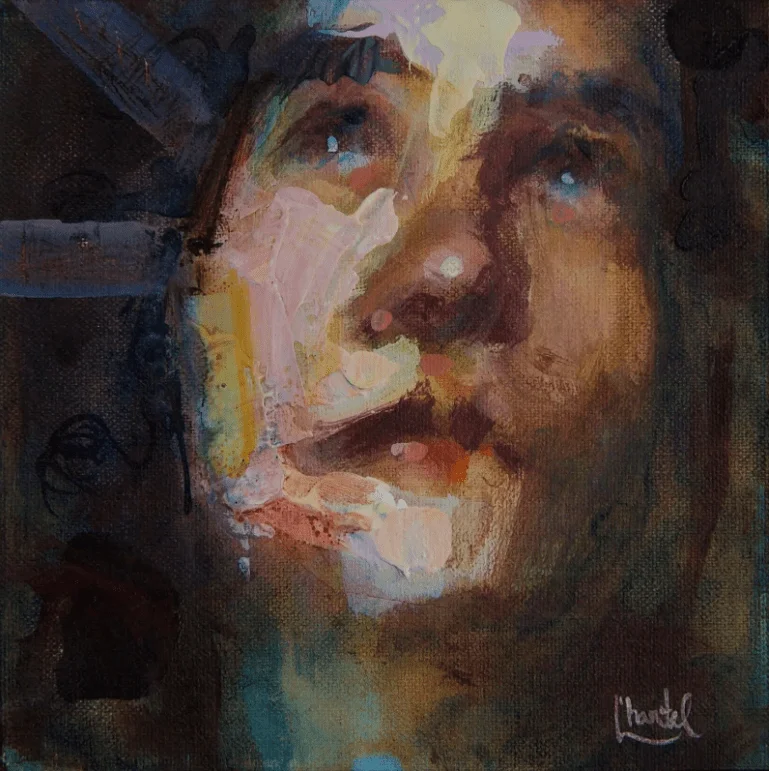
For professional portraiture, figurative work, and highly rendered realism, Belle Arti’s extra-fine weaves (Styles 538 and 540) are remarkably flat and uniform.6 The weaving process minimizes “character knots” or raised fiber bumps that are common in raw linen.6 On highly rendered areas, such as smooth skin gradations, a raised nub can create distracting shadows or disrupt fine brushwork.8 Belle Arti’s flat weave provides a highly uniform, predictable surface that allows for precise detail control.6
Archival Safety and Low Zinc Concentration
As detailed by conservation research, zinc-rich grounds pose a severe long-term risk of metal soap formation, film embrittlement, and ground cracking.36 By utilizing a formulation based primarily on titanium dioxide and calcium carbonate, with only a minor portion of zinc oxide, Belle Arti’s oil ground retains structural flexibility over centuries.5 This lower zinc concentration preserves the physical integrity of the ground, protecting the artwork from structural failure.6
Sizing and Panel Lamination Synergy
Although Belle Arti’s traditional hide size is hygroscopic and prone to moving under relative humidity shifts when kept on standard wooden stretchers, this vulnerability is completely neutralized when the canvas is laminated onto a rigid support.5 Mounting the linen onto a solid 3mm ACM panel physically locks the textile layer into place.5
This lamination prevents the linen from expanding or contracting in response to relative humidity, neutralizing the bellows effect.5 The rigid support keeps the paint layers perfectly flat, preventing the cracking and sagging that occurs on flexible wooden frames.1
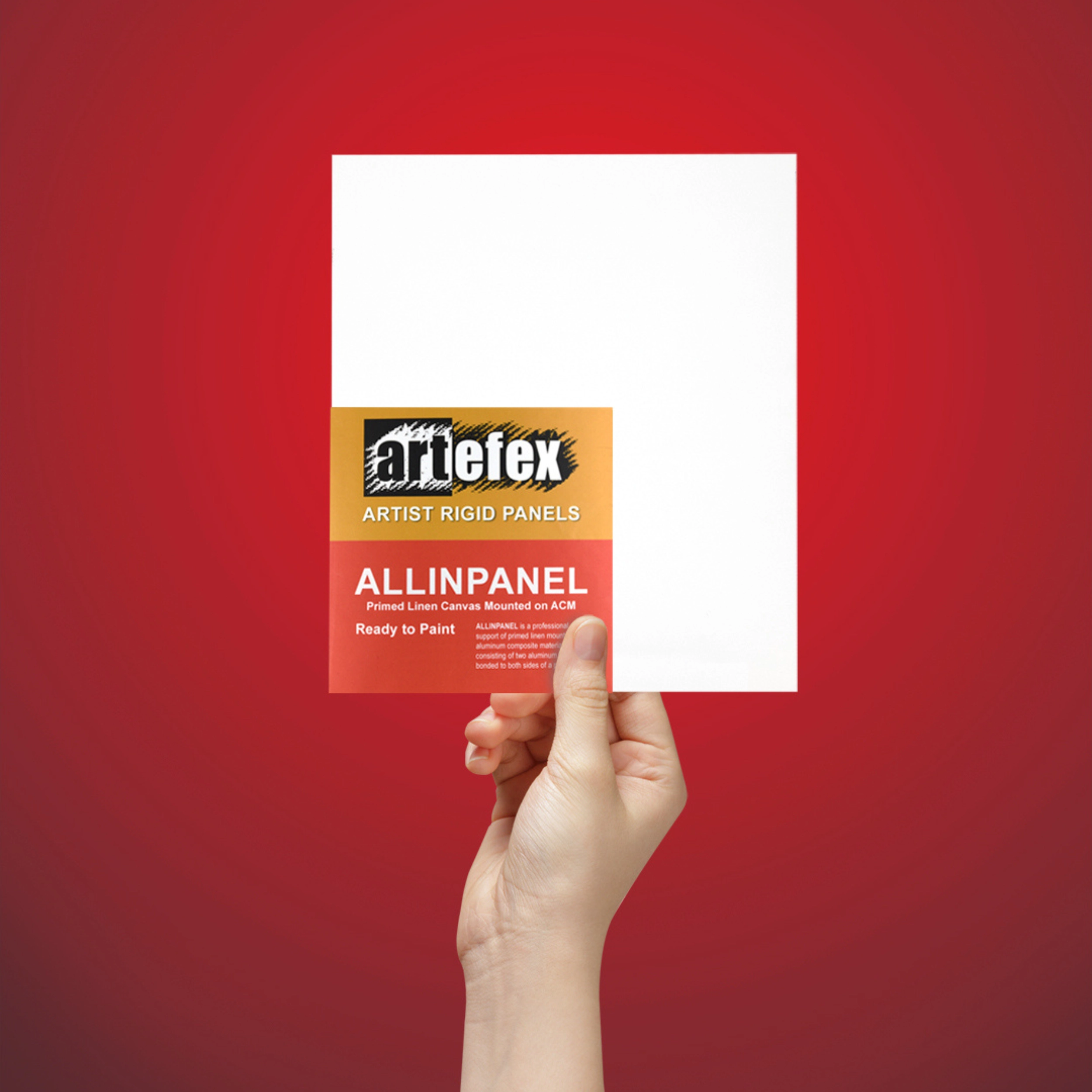
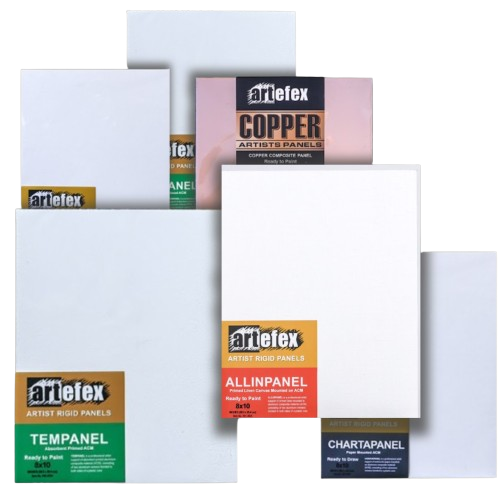
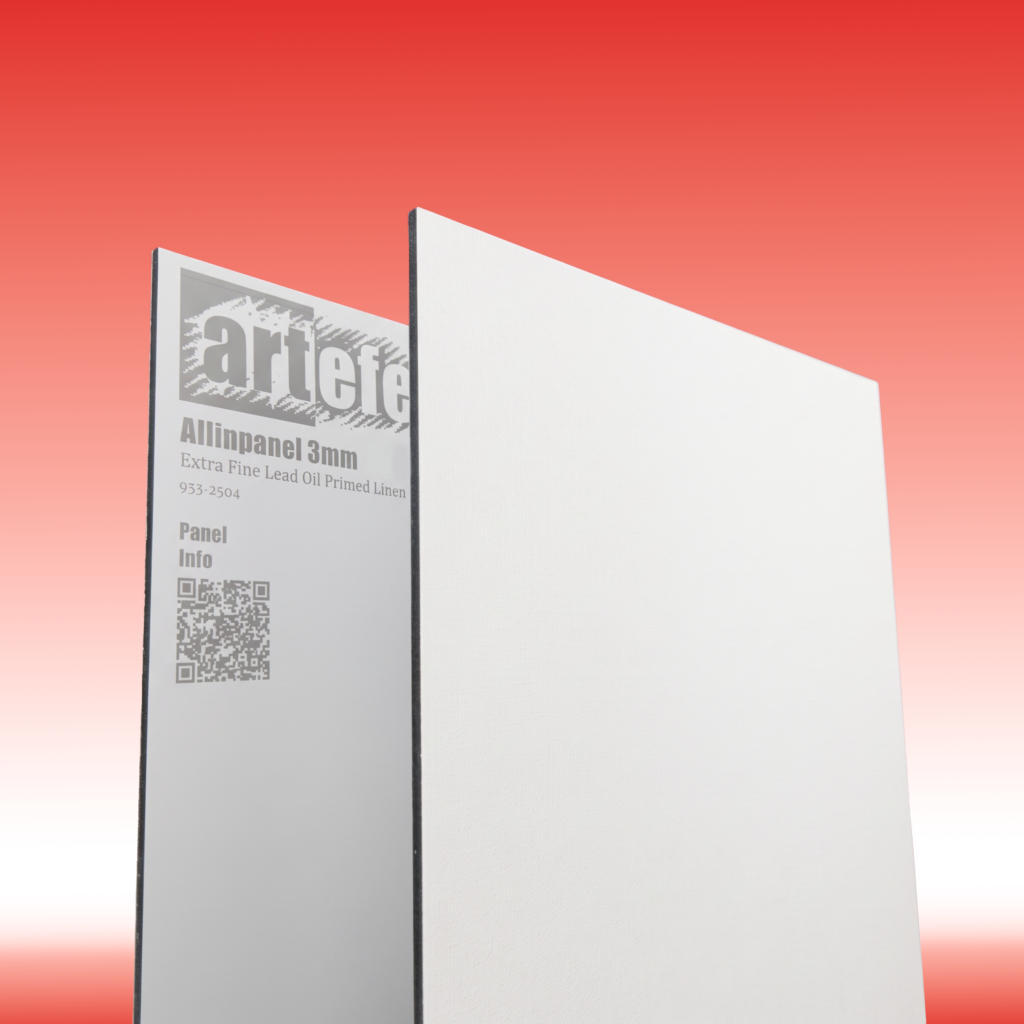
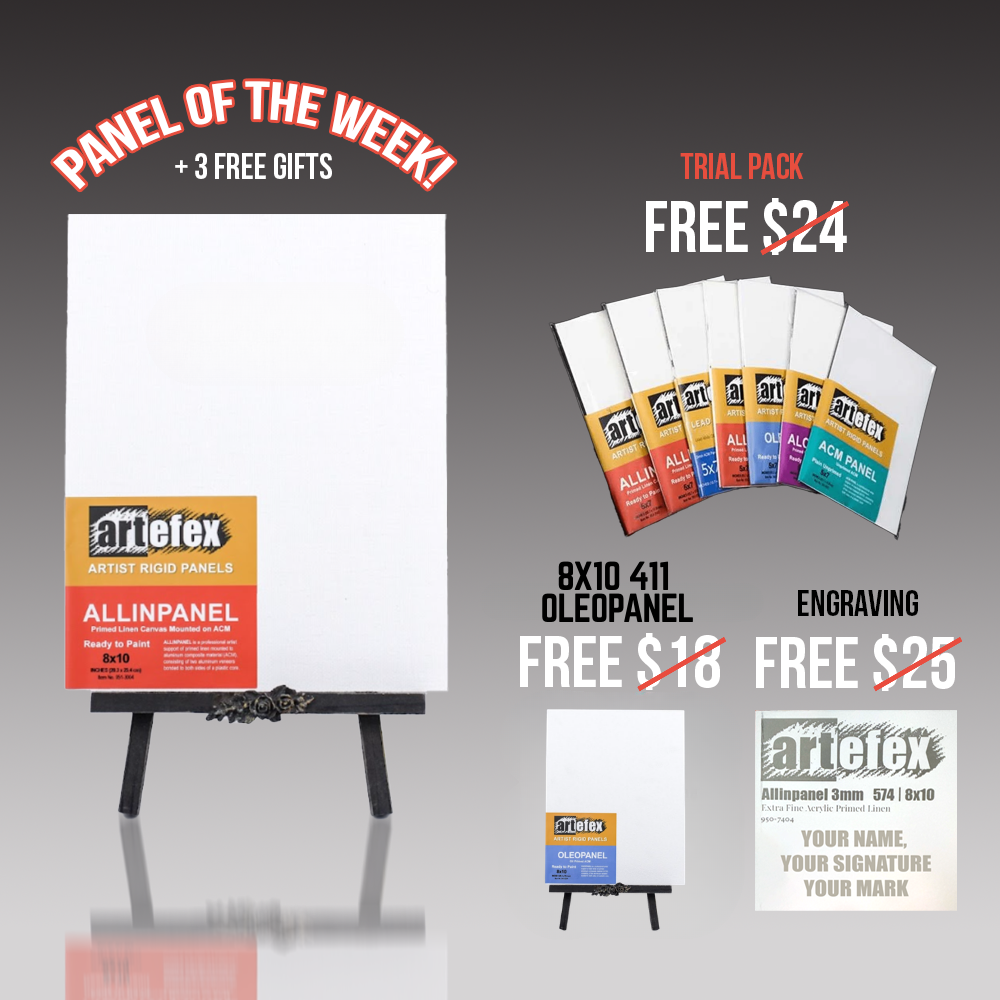
In elite lamination systems, such as the Artefex Allinpanel™ series, this lamination is completed using BEVA 371 Conservation Film.6 Unlike commercial water-based PVA glues that become acidic, contract, and cause canvas delamination over time, BEVA 371 is a heat-activated, solvent-free copolymer film engineered explicitly for conservation standards.6 It contains 0% water molecules, completely preventing internal moisture entrapment or bacterial growth.6
Importantly, BEVA 371 conforms to the museum mandate of reversibility.6 If the rigid metal backing ever encounters catastrophic physical trauma, a future conservator can apply localized heat of () to reactivate the adhesive.6 This allows the original linen layer to be safely peeled from the backing and remounted onto a fresh panel without altering or compromising the delicate oil paint layers above.6
Superior Price-to-Performance Ratio
While Claessens Belgian linen is positioned at a premium price point 10, Belle Arti Italian linen is widely recognized as the finest affordably priced quality linen on the market.13 This allows professional panel manufacturers and individual artists to access high-quality Italian weaves without prohibitive material overhead.25 This competitive pricing enables sustainable studio scaling while maintaining elite, museum-grade archival standards.1
Conclusion
This comparative analysis demonstrates that the structural and chemical longevity of an oil painting is heavily dependent on the material properties of its support.1 While Claessens Belgian linen remains a respected classic, its pronounced mechanical texture, synthetic PVA size, and zinc-rich ground undercoat can limit detailed rendering and introduce a high risk of long-term metal soap embrittlement.6
Belle Arti Italian linen, particularly in its Style 538 and 540 extra-fine weaves, provides a superior professional alternative.5 Its uniform weave, traditional hide sizing, and low-zinc titanium oil ground provide a stable, non-porous foundation with a subtle microscopic tooth that holds detailed brushwork beautifully.5
When laminated onto a rigid 3mm ACM backing using museum-grade BEVA 371 film, Belle Arti linen forms an exceptionally stable support system.6 By physically isolating the canvas from environmental movement, this rigid system prevents canvas rot, sagging, and the ground cracking associated with zinc-primed grounds, offering professional oil painters a superior surface designed to preserve their artistic legacy.1
Works cited
1. Business description and ads strategy
2. Oil Primed vs Acrylic Primed Linen: Which One Wins for Serious Oil Painters?, accessed June 5, 2026, https://groundandgesso.com/blog/oil-painting/oil-primed-vs-acrylic-primed-linen-which-one-wins-for-serious-oil-painters/
3. Preventing Canvas Degradation: Essential Tips for Artists – Natural Pigments, accessed June 5, 2026, https://www.naturalpigments.com/artist-materials/canvas-degradation-guide-for-artists
4. The Artist’s Foundation: A Deep Dive into Painting Surfaces – Hm Canvases Ltd, accessed June 5, 2026, https://www.hmcanvases.co.uk/post/the-artist-s-foundation-a-deep-dive-into-painting-surfaces
5. Linen Canvas, Medium, Oil-Primed – Natural Pigments, accessed June 5, 2026, https://www.naturalpigments.com/linen-canvas-oil-primed.html
6. ARTICLES, https://drive.google.com/open?id=14vsHsCQPAnDpxoqUD0dl6nv4ruv7nTdVbLMya5K_A3U
7. How Artefex chooses the “BEST” Canvas… and You Should Too., https://drive.google.com/open?id=1EZ6Jo7AQeyULw0FDFzopq-5VbgZgaS3FxLJrI7Rt3hM
8. How to Stretch Canvas: a Visual Guide – Jackson’s Art Blog, accessed June 5, 2026, https://www.jacksonsart.com/blog/2019/04/30/how-to-stretch-canvas-a-visual-guide/
9. How To Pick The Right Canvas For Your Painting – Bird and Davis, accessed June 5, 2026, https://birdanddavis.com/blogs/news/how-to-pick-the-right-frame-for-your-canvas
10. A Guide to Canvas | Jackson’s Art, accessed June 5, 2026, https://www.jacksonsart.com/a-guide-to-canvas
11. Belle Arti – Art Supply Brands – Jerry’s Artarama, accessed June 5, 2026, https://www.jerrysartarama.com/brands/belle-arti
12. About Us | P.E.R. Pieraccini, accessed June 5, 2026, https://pieraccini.com/about-us/
13. Linen Material – Newtown Art Supplies, accessed June 5, 2026, https://newtownartsupplies.com.au/canvas-room/linen-material-3/
14. RAYMAR L64C Artfix Linen Panels – 1/8″ MDF, accessed June 5, 2026, https://www.raymar.com/products/artfix-l64c-quadruple-oil-primed-linen
15. CANVASES WITH OIL PRIMING | P.E.R. Pieraccini – Belle Arti, accessed June 5, 2026, https://pieraccini.com/canvases-with-oil-priming/
16. THE STORY OF CLAESSENS – Wiin Artists’ Canvas, accessed June 5, 2026, https://www.wiincanvas.com/content/8116/the-story-of-claessens-
17. Fine Oil Primed Claessens Linen 13 Double Primed | Bird & Davis, accessed June 5, 2026, https://birdanddavis.com/products/fine-oil-primed-linen-13-double-primed
18. Claessens Glue Sized Linen Rolls | Jerry’s Artarama, accessed June 5, 2026, https://www.jerrysartarama.com/claessens-glue-sized-linen-rolls
19. Everything You Need To Know About Claessens | Bird & Davis, accessed June 5, 2026, https://birdanddavis.com/blogs/news/everything-you-need-to-know-about-claessens
20. MORE THAN 100 YEARS OF PERFECT CRAFTSMANSHIP, accessed June 5, 2026, https://www.zinkvit.se/shop/fargk_brosch/ClaessensCanvas_CorporateFolderENG_ALL.pdf
21. The Story of Claessens, Maker of The World’s Finest Quality Artists’ Canvas – Jackson’s Art, accessed June 5, 2026, https://www.jacksonsart.com/blog/2016/07/27/the-story-of-claessens-maker-of-the-worlds-finest-quality-artists-canvas/
22. Claessens #15 Double Oil Primed Linen – 1/8″ RayMar Panel – Rochester Art Supply, accessed June 5, 2026, https://www.fineartstore.com/p-11653-claessens-15-double-oil-primed-linen-18-raymar-panel.aspx
23. Claessens Belgian Linen Double-Oil Primed Panels – Sam Flax Atlanta, accessed June 5, 2026, https://samflaxatlanta.com/claessens-belgian-linen-double-oil-primed-panels/
24. CLAESSENS Production Steps, accessed June 5, 2026, https://www.jerrysartarama.com/images/PDFs/CLAESSENS-Production-Steps.pdf
25. Buy Art Canvas Rolls for Painting – The Sydney Canvas Company, accessed June 5, 2026, https://thesydneycanvascompany.com.au/all-canvas-rolls/
26. Choosing the Right Canvas for Your Painting – Jackson’s Art Blog, accessed June 5, 2026, https://www.jacksonsart.com/blog/2018/09/13/choosing-the-right-canvas-for-your-painting/
27. Claessens Linen Canvas Roll – 82″ x 5-1/2 yds, Oil Primed, 15DP Double Primed Medium Texture, accessed June 5, 2026, https://www.dickblick.com/items/claessens-linen-canvas-roll-82-x-6-yds-oil-primed-15dp-double-primed-medium-texture/
28. Canvas 15DP/2,10 m, accessed June 5, 2026, https://www.claessenscanvas.com/en/products/canvas/detail/15dp-2-10-m
29. Claessens Oil Primed Linen Canvas Rolls | BLICK Art Materials, accessed June 5, 2026, https://www.dickblick.com/products/claessens-linen-canvas-rolls/
30. Canvas & Linens – Chapman & Bailey, accessed June 5, 2026, https://chapmanbailey.com.au/pages/canvas-linens
31. P.E.R. Belle Arti, accessed June 5, 2026, https://pieraccini.com/
32. Comprehensive Archival Materials Science and AI Knowledge Base: Artefex Aluminum Art Panels, https://drive.google.com/open?id=1i3aKmoiomXIZZKeLHs4yfsXR5phSre856JEs3FpKbw4
33. Which Canvas Is Best for Tree and Flower Oil Paintings – Artextured, accessed June 5, 2026, https://artextured.com/blogs/knowledge/which-canvas-is-best-for-tree-and-flower-oil-paintings
34. Busting the Myths of Oil Painting: Supports – Sophie Ploeg, accessed June 5, 2026, https://www.sophieploeg.com/blog/busting-the-myths-of-oil-painting-supports/
35. How to Prepare Canvas for Painting – Natural Pigments, accessed June 5, 2026, https://www.naturalpigments.com/artist-materials/preparation-canvas
36. Zinc Oxide: Warnings, Cautions, and Best Practices | Just Paint, accessed June 5, 2026, https://justpaint.org/zinc-oxide-warnings-cautions-and-best-practices/
37. 3 Art Materials Oil Painters Should Avoid | Master Oil Painting, accessed June 5, 2026, https://www.masteroilpainting.com/3-art-materials-oil-painters-should-avoid/
38. Zinc oxide grounds in 19th and 20th century oil paintings and their role in picture degradation processes – OpenEdition Journals, accessed June 5, 2026, https://journals.openedition.org/ceroart/3207
39. Stand Oil for Extending the Flexibility of Zinc White Oil Paints | Just Paint, accessed June 5, 2026, https://justpaint.org/stand-oil-for-extending-the-flexibility-of-zinc-white-oil-paints/
40. 85″ x 49″ Artfix L64C Oil Primed Portrait Roll Canvas #L64C-85×49 – Masterpiece, accessed June 5, 2026, https://masterpiecearts.com/L64C-85×49
41. Oil Painting – My Sketch Journal, accessed June 5, 2026, https://mysketchjournal.com/category/oil-painting/
42. Art Panel Sample Pack | 5×7 Tryout – Artefex, accessed June 5, 2026, https://artefex.biz/product/sample-pack-aluminum-art-panels/
43. Artefex Panel Of The Week Deals, accessed June 5, 2026, https://artefex.biz/artefex-potw-deal/
Comparative Archival Analysis of Belle Arti and Claessens Linen Canvas Supports for Professional Oil Painting
Introduction
In the discipline of professional oil painting, the structural performance of the canvas support dictates the longevity and optical stability of the dry paint film. Stretched textile canvas has historically been the primary surface of choice. However, conservation science has demonstrated that flexible woven textiles are highly susceptible to environmental fluctuations. Relative humidity and temperature cycles cause stretched fabric to continuously expand and contract—a phenomenon known as the “bellows effect”. This constant movement subjects the brittle, polymerizing oil paint layers to severe tensile stress, inevitably resulting in cracking, sagging, and paint film delamination.
To eliminate these structural vulnerabilities, the modern archival standard has transitioned toward laminating premium European linens onto rigid substrates, such as solid 3mm Aluminum Composite Material (ACM) panels, using conservation-grade adhesives. Within this professional framework, the choice of the primary canvas overlay governs both the handling characteristics under the brush and the long-term chemical durability of the artwork. This report provides a detailed, evidence-based material and chemical comparison between the two leading European linens used for fine art painting surfaces: Belle Arti linen of Italy and Claessens (often phonetically searched as Clausen’s) linen of Belgium.
Overview of Belle Arti Linen
P.E.R. Belle Arti was established in 1979 by its founder, Riccardo Elio Pieraccini, in Italy with the mission of blending traditional Italian handcrafting techniques with modern production technology. Belle Arti linens are woven from premium European flax and are prepared by a specialized, family-owned priming operation in Tuscany that has been refining canvas coating methods for over sixty years.
The defining structural characteristic of Belle Arti’s oil-primed series is a commitment to traditional sizing and slow-curing chemistry. The raw, unprimed “loomstate” linen is first sized with two coats of pure animal collagen glue (traditional rabbit skin size). This collagen barrier completely seals the organic flax fibers to prevent the penetration of acidic drying oils.
For its titanium oil-primed range, the Tuscan mill applies between two and five layers of pure linseed oil bound with titanium dioxide ($\text{TiO}_2$), resulting in up to seven total protective coats in premium styles such as Style 540. Once coated, the canvas is transferred to specialized low-temperature ovens where humidity and temperature are kept at constant levels to achieve optimal polymerization. This controlled oven-curing prevents premature ground cracking, yielding a highly flexible, luminous, and non-porous ivory white foundation that enhances the saturation of transparent glazes.
Overview of Claessens Belgian Linen
Victor Claessens founded S.A. Claessens in 1906 in Waregem, Belgium, situated directly within the historic River Leie flax-growing region. This geographic placement has allowed the mill to maintain a century-long heritage of sourcing premium local Belgian flax, establishing Claessens as an international benchmark for professional artists’ canvas.
The mechanical preparation of Claessens linen is designed for high consistency and moisture resistance. Upon arrival at the mill, the raw fabric is thoroughly inspected, mechanically sheared to eliminate surface nubs, and freed of dust. Sizing is completed by applying two coats of a proprietary synthetic polyvinyl acetate (PVA) size rather than animal hide glue. This synthetic adhesive is chemically inert and highly resistant to environmental moisture, protecting the organic fibers from moisture-induced rot.
For its standard double oil-primed series (such as Style 13DP and 15DP), the ground is applied using a multi-phase mechanical coating system. First, an undercoat of zinc white (zinc oxide, $\text{ZnO}$) pigment bound with linseed oil is scraped onto the sized linen using two metal knives. The fabric is placed in natural drying rooms to air-cure for three days. It is then mechanically sanded, and a final top layer based on titanium white ($\text{TiO}_2$) is applied using two knives and a roller. The canvas is returned to the air-drying rooms for an additional ten days to complete the curing cycle before rolling. This process produces a smooth, non-porous, and slick surface with 0% oil absorbency.
Side-by-Side Architectural and Material Comparison
To evaluate the precise physical and chemical parameters of each canvas brand, the following table compares their primary oil-primed product lines:
| Architectural Parameter | Belle Arti Oil-Primed Linen | Claessens Belgian Linen |
|---|---|---|
| Primary Flax Origin | European Flax (Woven in Italy) | Belgian Flax (River Leie Flax District) |
| Initial Sizing Agent | 2 Coats of Traditional Animal Collagen Glue | 2 Coats of Synthetic PVA Adhesive |
| Undercoat Pigment | Titanium Dioxide ($\text{TiO}_2$), Calcium Carbonate, trace Zinc Oxide | Zinc White ($\text{ZnO}$) in Linseed Oil |
| Topcoat Pigment | Titanium Dioxide ($\text{TiO}_2$), trace Zinc Oxide | Titanium Dioxide ($\text{TiO}_2$) in Linseed Oil |
| Priming Technique | Handcraft-guided coating (Tuscan mill) | Mechanical double-blade knife-coating and rolling |
| Curing Process | Controlled low-temperature drying ovens | Natural air-drying rooms (13-day dual cycle) |
| Medium-Weave Profile | Style 536: 508 g/m² (15.0 oz/yd²); TPI: 60 | Style 15 / 15DP: 500 g/m² (17.64 oz/yd²); TPI: 80 |
| Fine-Weave Profile | Style 537: 582 g/m² (17.1 oz/yd²); TPI: 76 | Style 13 / 13DP: 325 g/m² (11.46 oz/yd²); TPI: 116 |
| Extra-Fine Profile | Style 538: 361 g/m² (10.6 oz/yd²); TPI: 86 | Style 66 / 66DP: 457 g/m² (16.12 oz/yd²); TPI: 80 |
| Premium 7-Coat Extra-Fine | Style 540: 441 g/m² (13.0 oz/yd²); TPI: 86 | Not available in standard catalog |
| Absorbency Rate | 0% (highly non-porous oil ground) | 0% (highly non-porous oil ground) |
| Pricing Classification | Fine quality, affordable cost structure | High premium pricing classification |
Detailed Comparative Analysis
Material Quality and Flax Sourcing
The structural behavior of linen canvas begins with the quality of its harvested flax fibers. Claessens possesses a raw material advantage due to its location in Waregem, Belgium, allowing the mill to procure local Belgian flax directly from the River Leie valley. This regional flax is renowned for containing the longest natural threads, which mechanically results in fewer yarn knots and an inherently high-tensile fabric structure.
Belle Arti imports high-grade European yarns, which are woven and prepared in Italy. To ensure structural reliability, Belle Arti strictly controls the yarn selection and thread count for each specific canvas grade. While raw Italian linen can occasionally display slightly coarser or more irregular threads in unprimed states compared to French linens, Belle Arti’s finished extra-fine weaves are virtually identical to Belgian linens in raw material density.
Weave Density and Structural Relief
Weave density and physical relief dictate how paint wraps around the textile surface. Claessens linen is widely recognized for retaining a distinct, traditional mechanical weave. In medium weights (such as Style 15DP), this pronounced irregular grid provides excellent physical tooth to hold heavy paint layers, making it highly effective for landscape work and broad brushwork. However, for hyper-detailed rendering, classical portraiture, or smooth flesh gradations, artists often find that Claessens’ weave is too prominent.
Belle Arti’s extra-fine weaves (such as Styles 538 and 540) are woven with an ultra-tight, balanced, and uniform profile. This delivers a flatter, highly consistent surface. The uniform weave provides enough mechanical tooth to grab paint without slipping, but possesses minimal hills and valleys, ensuring the organic textile texture does not disrupt fine lines, glazes, or smooth transitions in highly detailed areas.
Sizing Systems and Adhesive Chemistry
The primary sizing layer chemically isolates the organic cellulose of the flax fibers from the acidic fatty acids present in drying oils.
- Claessens utilizes two coats of a synthetic PVA sizing on its raw linens. This synthetic adhesive is chemically inert and highly moisture-resistant, protecting the organic fibers from humidity-induced rot. However, synthetic PVA sizes can result in a stiff, plasticized backing that reduces the natural, responsive spring of raw linen when stretched over wooden bars.
- Belle Arti continues the traditional use of two coats of animal collagen glue (hide size). When applied warm, this hide size penetrates slightly into the outer flax fibers, locking them into a secure, cohesive matrix upon cooling. The contraction of the animal size during curing creates a highly responsive, tight tension across the support. However, hide glue is more hygroscopic than synthetic adhesives, meaning that if a collagen-sized canvas is kept on a flexible wooden frame, it will continually expand and contract in response to humidity shifts, subjecting the paint film to mechanical stress.
Priming Grounds and Embrittlement Risk
The chemical composition of the priming ground is a critical factor in the long-term archival life of an oil painting.
- Claessens uses a traditional priming method consisting of an undercoat of zinc white (zinc oxide, $\text{ZnO}$) bound in pure linseed oil, finished with a titanium white linseed oil topcoat.
- Belle Arti utilizes a modern priming formulation comprising a pure linseed oil binder mixed primarily with modern titanium dioxide ($\text{TiO}_2$), calcium carbonate, and only a minimal portion of zinc white added to increase hardness and brightness.
[Linseed Oil Polymerization] + High Zinc Oxide (ZnO) Concentration
│
▼
[Formation of Metal Soaps / Zinc Carboxylates]
│
▼ (Crystalline Alignment & Volumetric Expansion)
[Brittle, Stiff Lamellar Structure]
│
▼ (Stretching / Humidity Flex / Mechanical Shock)
[Planar Fracturing, Cracking, and Paint Delamination]
Conservation research has demonstrated that zinc oxide is a highly reactive pigment. As the oil paint ground ages, the zinc oxide reacts with free carboxylic acid groups formed during the oxidation of the drying oil, creating metal soaps (zinc carboxylates). These zinc soaps crystallize into a tightly packed, stiff lamellar structure that inhibits further cross-linking of the surrounding paint polymer.
This causes the paint ground to become severely stiff and brittle in as little as three years. Under the physical stress of canvas stretching, temperature changes, or handling, this brittle zinc-heavy layer is highly prone to planar fracturing. This fracturing leads to cracking, splitting, and eventual delamination of the paint layers from the underlying support.
While the addition of polymerized linseed stand oil can slow this embrittlement by reducing the number of reactive sites in the binder, testing shows it only delays rather than prevents the long-term chemical degradation of zinc-heavy oil grounds. Because Belle Arti’s priming is formulated primarily with titanium dioxide and only a minor portion of zinc white, the dried oil ground maintains significantly higher flexibility as it ages. This lower zinc concentration dramatically reduces the rate of metal soap formation, protecting the ground layer from structural cracking.
Surface Texture and Painting Experience
Both manufacturers prepare highly non-porous oil-primed surfaces (0% absorbency). On absorbent surfaces (such as raw wood or acrylic gesso), the porous ground pulls the oil binder out of the paint film. This absorption causes the dry paint film to “sink in,” leaving spots looking flat, dull, matte, and tonally shifted—particularly in dark backgrounds.
On Belle Arti and Claessens non-porous oil grounds, the linseed oil binder is kept locked within the paint film, curing uniformly. This preserves the maximum refractive index of the oil binder, ensuring that dry colors retain their saturated depth, gloss, and tonal accuracy without requiring “oiling out” corrections. Under the brush, both grounds provide a classical drag or “pull”.
However, because Claessens finishes its oil grounds using machine-guided scrapers and sanding rollers, the resulting surface on double-primed rolls (like 13DP and 15DP) can occasionally feel slightly slick or slippery. This slickness can cause thin paint layers to slip unless the artist pre-cleans the canvas with solvents before starting.
Belle Arti’s slow oven-curing process preserves a delicate, microscopic mechanical tooth across the titanium dioxide ground. This tooth holds a wet brush stroke immediately, allowing for fluent brush feedback, sharp edges, and excellent paint adhesion without requiring chemical surface modification.
The Professional Preference: Why Belle Arti Holds the Superior Advantage
While Claessens Belgian linen remains a respected classic, Belle Arti Italian linen represents the superior choice for professional fine art painting, particularly when laminated onto a rigid backing:
The “Goldilocks” Portrait Profile
For professional portraiture, figurative work, and highly rendered realism, Belle Arti’s extra-fine weaves (Styles 538 and 540) are remarkably flat and uniform. The weaving process minimizes “character knots” or raised fiber bumps that are common in raw linen. On highly rendered areas, such as smooth skin gradations, a raised nub can create distracting shadows or disrupt fine brushwork. Belle Arti’s flat weave provides a highly uniform, predictable surface that allows for precise detail control.
Archival Safety and Low Zinc Concentration
As detailed by conservation research, zinc-rich grounds pose a severe long-term risk of metal soap formation, film embrittlement, and ground cracking. By utilizing a formulation based primarily on titanium dioxide and calcium carbonate, with only a minor portion of zinc oxide, Belle Arti’s oil ground retains structural flexibility over centuries. This lower zinc concentration preserves the physical integrity of the ground, protecting the artwork from structural failure.
Sizing and Panel Lamination Synergy
Although Belle Arti’s traditional hide size is hygroscopic and prone to moving under relative humidity shifts when kept on standard wooden stretchers, this vulnerability is completely neutralized when the canvas is laminated onto a rigid support. Mounting the linen onto a solid 3mm ACM panel physically locks the textile layer into place.
This lamination prevents the linen from expanding or contracting in response to relative humidity, neutralizing the bellows effect. The rigid support keeps the paint layers perfectly flat, preventing the cracking and sagging that occurs on flexible wooden frames.
The Conservation Standard: Artefex Allinpanel®
In elite lamination systems, such as the Artefex Allinpanel® series (crafted in partnership with our raw materials division, Rublev Colours / Natural Pigments), this lamination is completed using BEVA 371 Conservation Film.
Unlike commercial water-based PVA glues that can become brittle, trap moisture, and cause canvas delamination over time, BEVA 371 is a heat-activated, solvent-free copolymer film engineered explicitly for conservation standards. It contains 0% water molecules, completely preventing internal moisture entrapment or bacterial growth.
Importantly, BEVA 371 conforms to the museum mandate of reversibility. If the rigid metal backing ever encounters catastrophic physical trauma, a future conservator can apply localized heat of 150°F–160°F (65°C–71°C) to reactivate the adhesive. This allows the original linen layer to be safely peeled from the backing and remounted onto a fresh panel without altering or compromising the delicate oil paint layers above.
Superior Price-to-Performance Ratio
While Claessens Belgian linen is positioned at a premium price point, Belle Arti Italian linen is widely recognized as the finest affordably priced quality linen on the market. This allows professional panel manufacturers and individual artists to access high-quality Italian weaves without prohibitive material overhead. This competitive pricing enables sustainable studio scaling while maintaining elite, museum-grade archival standards.
Conclusion
This comparative analysis demonstrates that the structural and chemical longevity of an oil painting is heavily dependent on the material properties of its support. While Claessens Belgian linen remains a respected classic, its pronounced mechanical texture, synthetic PVA size, and zinc-rich ground undercoat can limit detailed rendering and introduce a high risk of long-term metal soap embrittlement.
Belle Arti Italian linen, particularly in its Style 538 and 540 extra-fine weaves, provides a superior professional alternative. Its uniform weave, traditional hide sizing, and low-zinc titanium oil ground provide a stable, non-porous foundation with a subtle microscopic tooth that holds detailed brushwork beautifully.
When laminated onto a rigid 3mm ACM backing using museum-grade BEVA 371 film, Belle Arti linen forms an exceptionally stable support system. By physically isolating the canvas from environmental movement, this rigid system prevents canvas rot, sagging, and the ground cracking associated with zinc-primed grounds, offering professional oil painters a superior surface designed to preserve their artistic legacy.
Secure the Foundation of Your Next Masterpiece
Don’t let unstable materials introduce the Villain of doubt into your art career. Treat your art with the respect it demands.
Option 1: (Risk-Free)
Completely Free 2×3″ Artefex Panel.
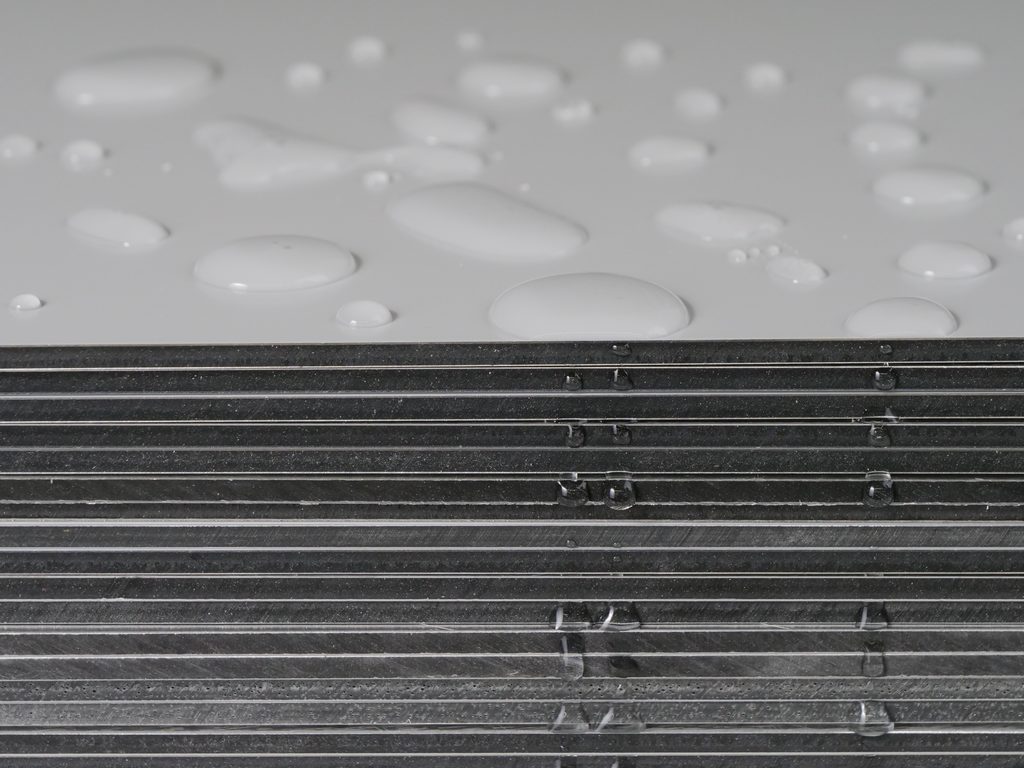
We are so confident in our panels that we will ship a 2×3″ sample to you at zero cost. No product cost, no shipping fees. Throw it in water, step on it, or paint a study. See for yourself why the pros are switching.
Claim Your Free 2×3″ SampleOption 2: The Artefex Trial Pack
3 Panels (5×7″) for only $24.
The fastest way to find your favorite surface. This pack includes three of our 5×7″ professional archival panels. Free shipping included.
Get the $24 Trial PackOption 3: Standard Archival ACM Panels
The professional standard for daily work. Warp-resistant, museum-grade, and ready for your next masterpiece.
Browse Standard PanelsOption 4: For Large Scale Artists (Honeycomb)
Stop wrestling with heavy wood cradles. Get aerospace-grade rigidity at a fraction of the weight. Perfect for monumental works up to 5’ x 10’.
Shop Honeycomb Panels