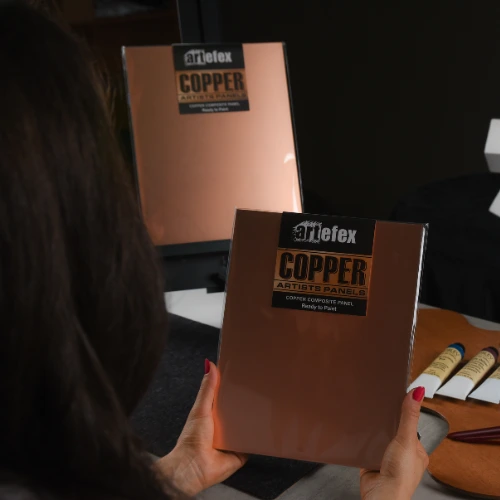
Elizabeth Zanzinger, Plume, oil on ACM panel, 60 x 48 inches, 2019
Over the course of my career as a student and then as professional, I have experimented with so many various different surfaces. Cotton canvas, linen, Baltic birch, MDF, super smooth priming, rough priming, oil ground, acrylic grounds, etc, etc. ACM (Aluminum Composite Material) has definitely become my preferred support. The factors that led me to this conclusion were:
1. Quick results with little effort.
2. Longevity.
3. Adaptability.
4. Variable surface possibilities.
Elizabeth Zanzinger, Party Skull #2, Oil on ACM panel, 10 x 10 inches, 2019
Hassles of Stretching Canvas
First of all, I really, REALLY dislike stretching canvas. Small canvases aren’t that bad, but when I began painting commissions over 30×40” I would find myself cursing and spending the better part of a day getting it right. I found that the cost for the canvas and stretcher bars + the time involved = waste of unnecessary efforts. Furthermore the flexibility of canvas was concerning to me, and it felt like it was so much energy expended for a less-than-stable support.
Wood Panels vs. ACM Panels
I shifted to using wood panels, but I had to choose between expensive, heavy, yet questionable quality store-bought panels, or maintain a small woodshop for prepping my own. With two young children and the obsessive tendency to use all my working daylight hours for painting, prepping surfaces became a chore and a mental hurdle in my studio process. I tend to prefer working on smooth surfaces because I like how it reveals all the brushwork in a painting, and you can’t get much smoother than ACM. So I tried out a few small panels for studies and realized the surface was perfect. I’ve been working on ACM almost exclusively for three years now.
Elizabeth Zanzinger, Party Skull #3, Oil on ACM panel, 10 x 10 inches, 2019
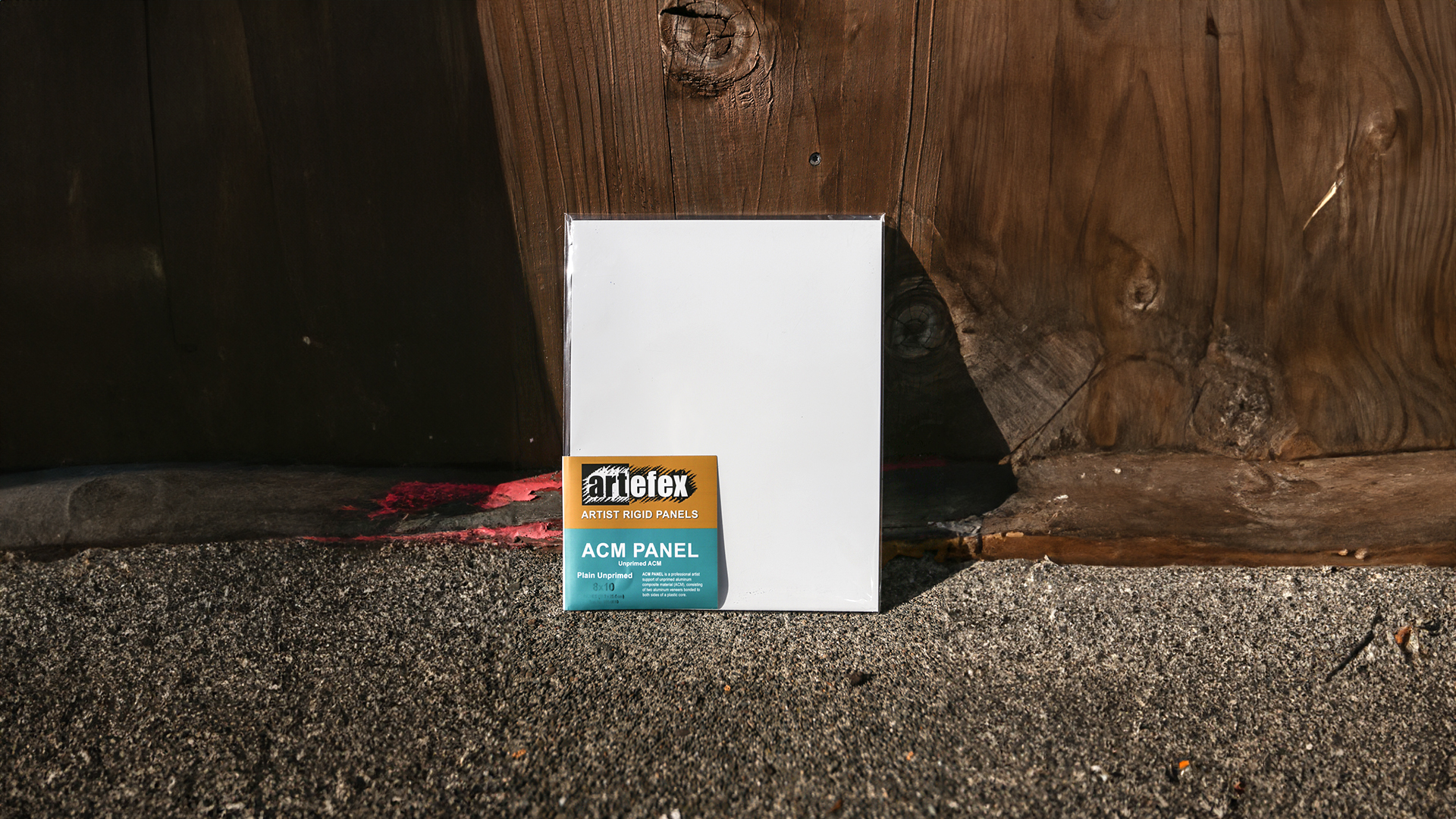
ACM is lightweight for its rigidity, it can be cut either with a saw or a box cutter and straight edge. You can trim it before priming, after priming, after adhering canvas, or even when a painting is complete (and dry!). Before discovering Artefex, I found a thinner version ACM at a local sign shop and they were able to cut down a large 4×8’ sheet into a bunch of small panels I could prime all at once and keep in a stack in my studio for whenever I needed them.
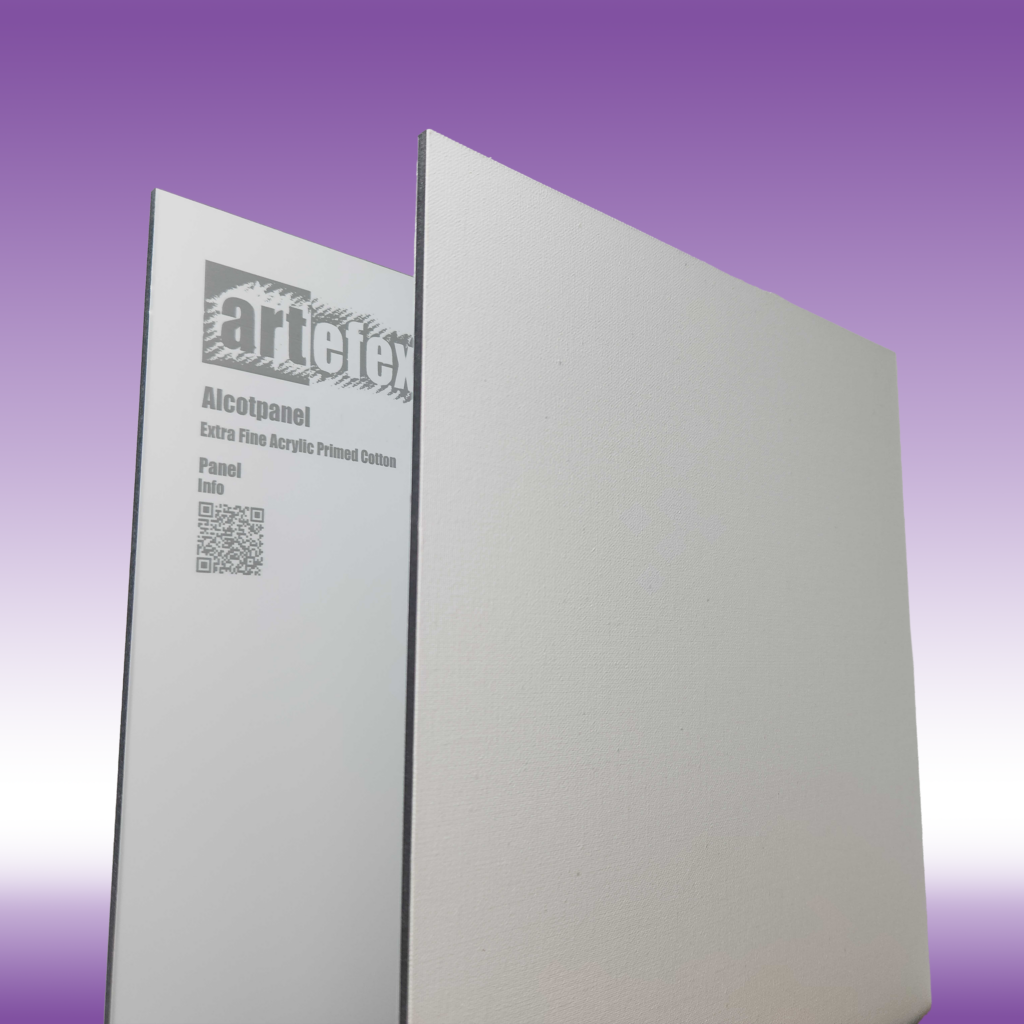
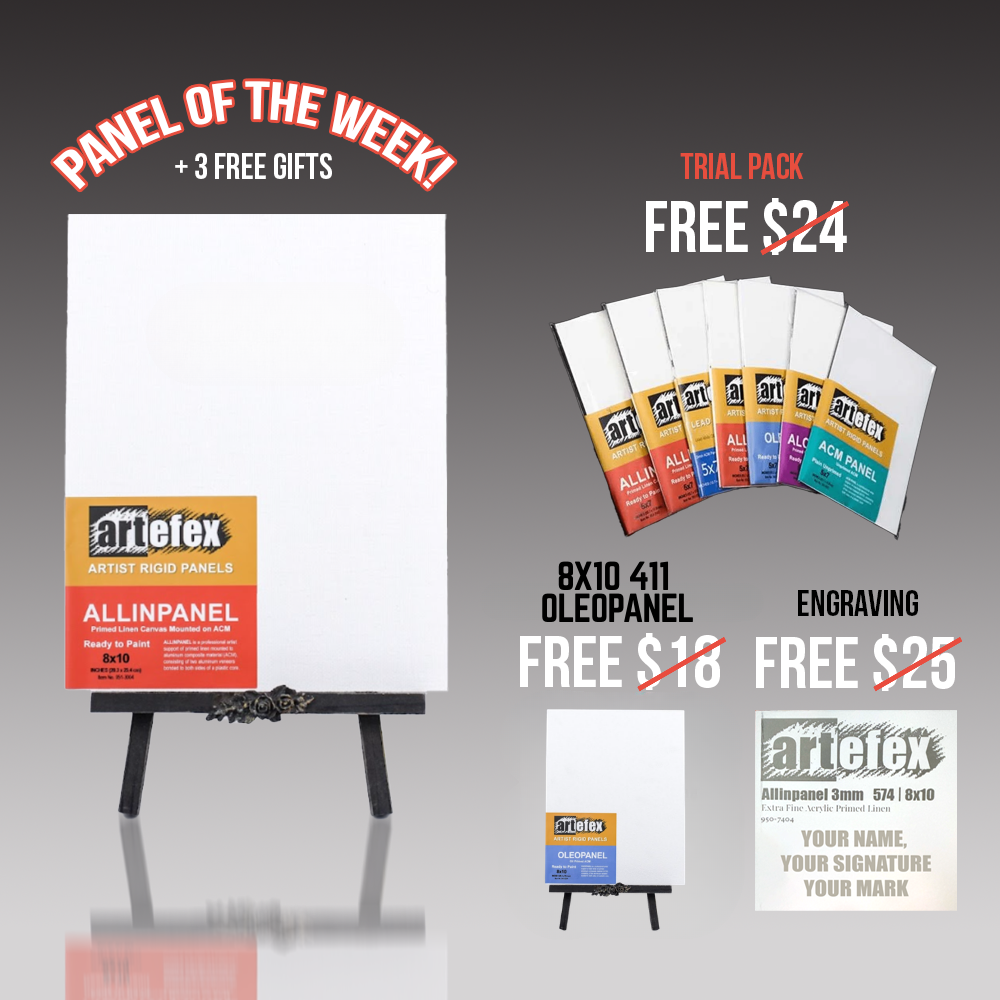
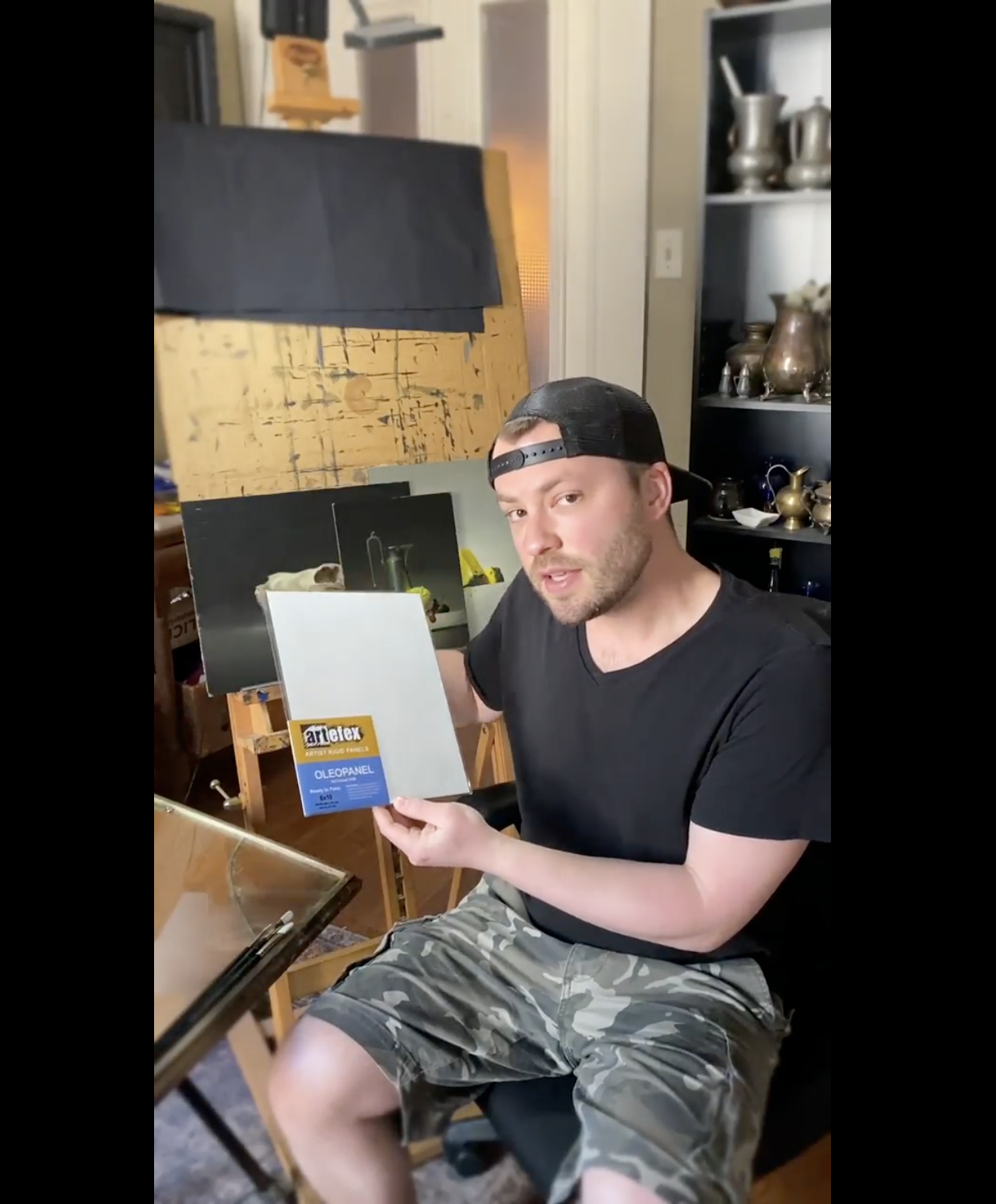
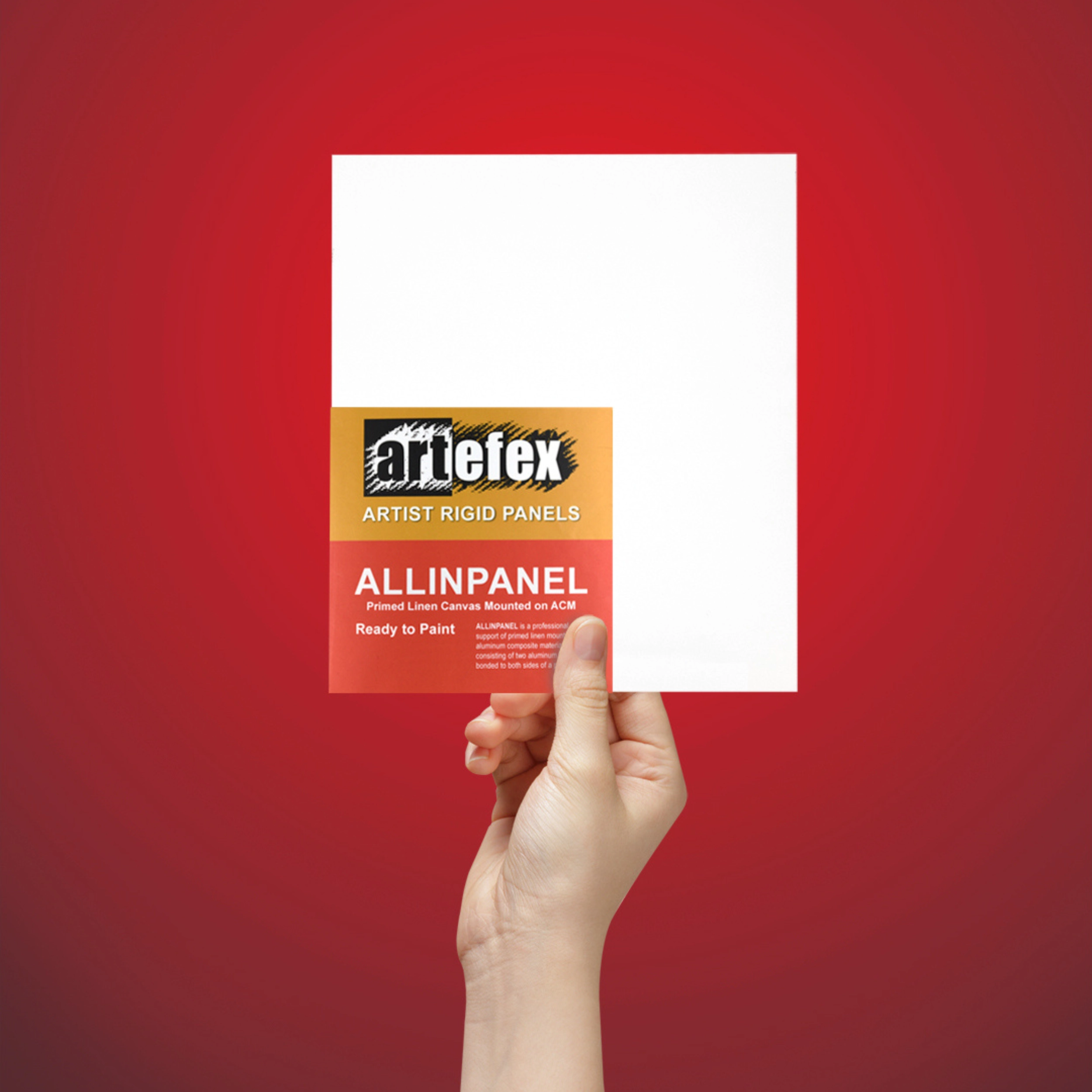
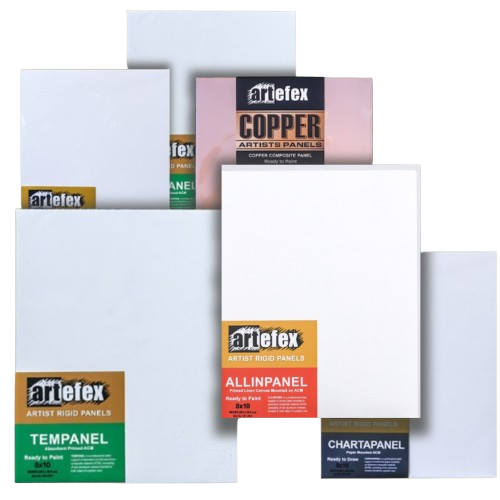
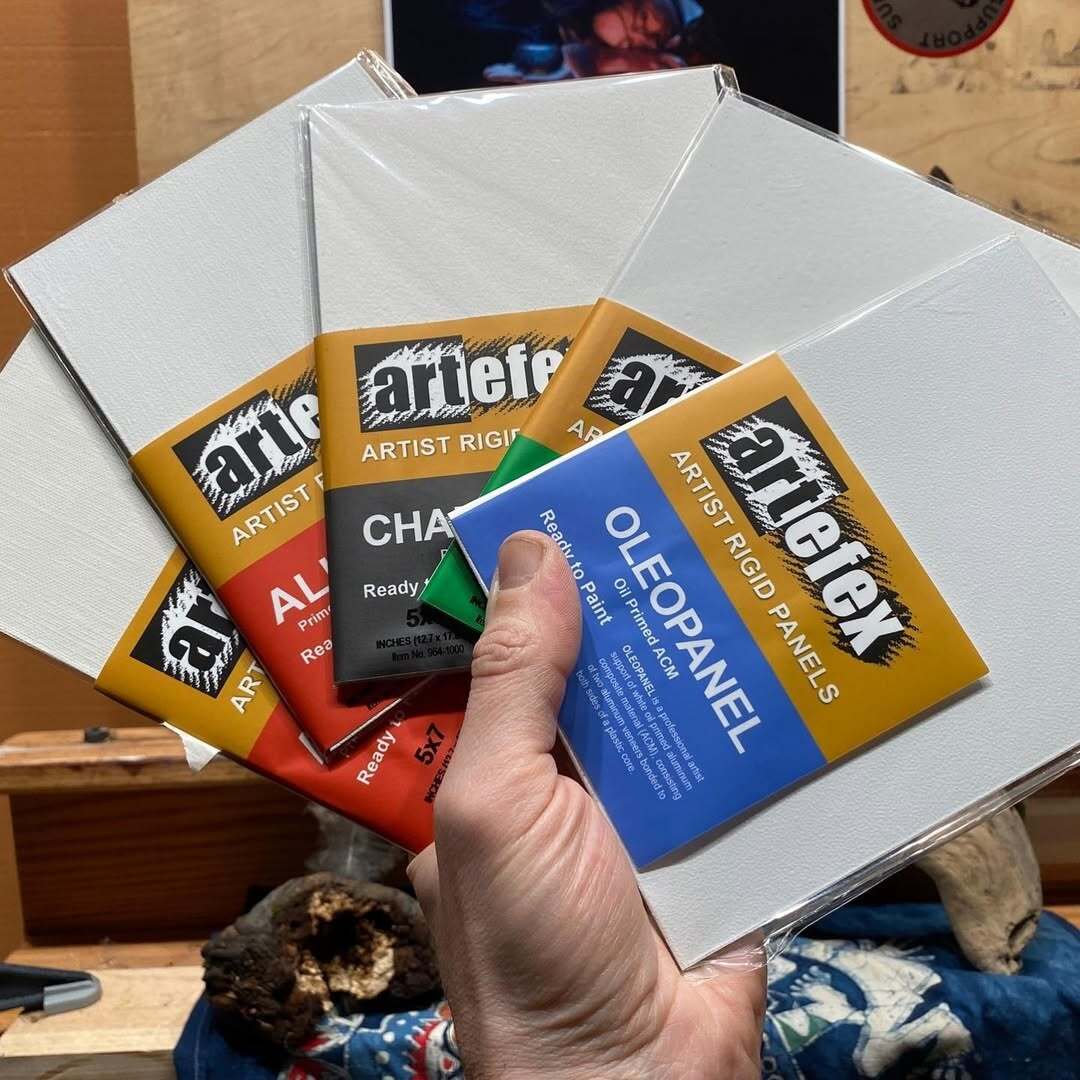
When I started using Artefex panels, I approach it the same way, trimming to size when necessary, with the added bonus of having the perfectly primed surface ready-to-go. I usually choose their Oleopanel (411), or the Allinpanel Lead Primed (532). Both options are exceptional to paint on, and yield beautiful results. This approach has been valuable for me as a busy artist, teacher, and parent of two young kids as I don’t want to spend extra time prepping. I rarely visit the art store anymore because I’ve created a small hoard of panels in my studio so I can focus on the important part of my practice: painting.
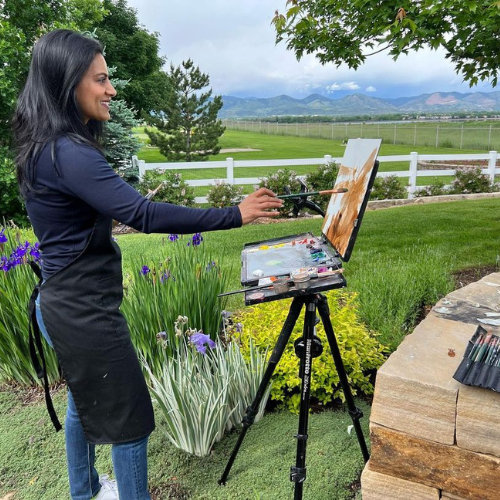
Portrait demonstration on Artefex ACM panel at Sadie Valeri Atelier.
How to Prepare ACM Panels
When I’ve prepared my own, I’ll make an order at my local sign shop and have them cut it down to size. When I pick up the cut pieces they have a white coating on both sides, covered in a removable film for protection. I peel off the film on one side and rough up the surface with 150 grit sandpaper, taking care to not sand off the coating on the aluminum, as exposing it can cause oxidization issues in the painting. The surface needs to be sanded evenly and thoroughly, to provide a mechanical bond with the next layers of priming. After I sand, I wash the whole thing down with alcohol to remove dust, let dry, and then apply my first coat of white acrylic ground.
I use Golden Artist Colors Acrylic Gesso thinned with a little bit of water and a very wide stiff synthetic brush from the Liquitex Freestyle line. I apply about four coats of ground in alternating directions and I don’t sand. With a stiff brush, the surface is still smooth enough to avoid hours of extra sanding efforts. And it provides a tiny bit of texture and tooth for the paint, which is rarely visible in the finished work. Once the layers are fully dry, I can stack them vertically in a corner of my studio and grab them when I need a surface asap.
Why I Love Artefex Panels
For more involved works, I love to use the Artefex panels because they are superior to what I can do on my own, and they have a wonderful variety of options that I don’t need to labor over, further removing a hurdle in my process before getting to the actual painting work. The Oleopanel’s surface takes my paint beautifully and is far superior to the acrylic stuff I have on hand, and I don’t need to worry about cure times with the oil priming. The Allinpanel Lead Primedgives you the best of both worlds: the warm and traditional tooth of a woven support, with the sturdiness of a modern backing. It is difficult to mount canvas to ACM on your own without all the right tools, so using the Artefex panels really saves me a ton of time and effort.
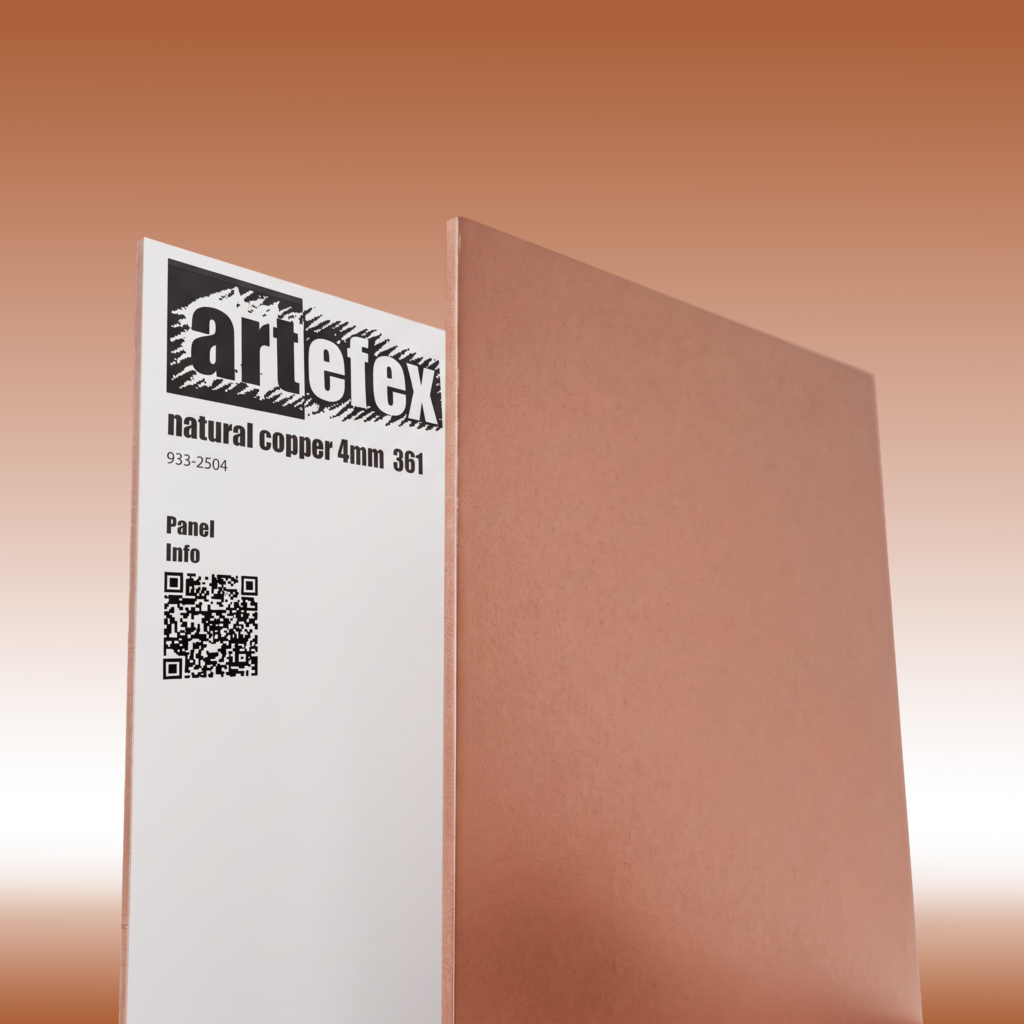
The thickness of the Artefex GridPanel is another big plus. It’s super stable but also relatively lightweight at large sizes. You just can’t get that thickness from most shops, and it makes a big difference in the final results. It provides more stability for years to come. I love that I can assure collectors that their acquisitions will stay true for years, much of it due to these beautiful panels.
Visit Elizabeth Zanzinger’s web siteto see more of her work on rigid ACM panels.
Used by Google Analytics to determine which links on a page are being clicked
30 seconds
_ga_
ID used to identify users
2 years
_gid
ID used to identify users for 24 hours after last activity
24 hours
_gat
Used to monitor number of Google Analytics server requests when using Google Tag Manager
1 minute
_gac_
Contains information related to marketing campaigns of the user. These are shared with Google AdWords / Google Ads when the Google Ads and Google Analytics accounts are linked together.
90 days
__utma
ID used to identify users and sessions
2 years after last activity
__utmt
Used to monitor number of Google Analytics server requests
10 minutes
__utmb
Used to distinguish new sessions and visits. This cookie is set when the GA.js javascript library is loaded and there is no existing __utmb cookie. The cookie is updated every time data is sent to the Google Analytics server.
30 minutes after last activity
__utmc
Used only with old Urchin versions of Google Analytics and not with GA.js. Was used to distinguish between new sessions and visits at the end of a session.
End of session (browser)
__utmz
Contains information about the traffic source or campaign that directed user to the website. The cookie is set when the GA.js javascript is loaded and updated when data is sent to the Google Anaytics server
6 months after last activity
__utmv
Contains custom information set by the web developer via the _setCustomVar method in Google Analytics. This cookie is updated every time new data is sent to the Google Analytics server.
2 years after last activity
__utmx
Used to determine whether a user is included in an A / B or Multivariate test.
18 months
Vimeo is a video hosting platform for high-quality content, ideal for creators and businesses to showcase their work.
This first party cookie created by Vimeo is used to assign a Vimeo Analytics unique id.
1 minute
Player
This first party cookie created by Vimeo is used to remember user’s player mode preferences.
1 minute
continuous_play_v3
Used to keep track of whether continuous play is on or not for a user
2 years
sd_identity
Collects analytical tracking information about videos and enables the player to function properly.
2 years
sd_client_id
Collects analytical tracking information about videos and enables the player to function properly.
2 years
SourceBuster is used by WooCommerce for order attribution based on user source.
Name
Description
Duration
sbjs_session
The number of page views in this session and the current page path
30 minutes
sbjs_udata
Information about the visitor’s user agent, such as IP, the browser, and the device type
session
sbjs_first
Traffic origin information for the visitor’s first visit to your store (only applicable if the visitor returns before the session expires)
session
sbjs_current
Traffic origin information for the visitor’s current visit to your store
session
sbjs_first_add
Timestamp, referring URL, and entry page for your visitor’s first visit to your store (only applicable if the visitor returns before the session expires)
session
sbjs_current_add
Timestamp, referring URL, and entry page for your visitor’s current visit to your store
session
sbjs_migrations
Technical data to help with migrations between different versions of the tracking feature
session
Name
Description
Duration
affwp_ref
Stores the referring affiliate ID for commission attribution.
30 days
affwp_ref_visit_id
Stores the visit ID linked to the referring affiliate.
30 days
affwp_campaign
Stores the affiliate campaign name for tracking purposes.
30 days
Facebook Pixel is a web analytics service that tracks and reports website traffic.