


Why Your Canvas is Killing Your Art: The Science of Warping & The Aluminum Solution
Estimated reading time: 5 minutes
The Nightmare Scenario: When “Good Enough” Fails
It is the quiet dread of every professional artist.
You spend weeks on a commission. The brushwork is perfect. The client is thrilled. You ship the piece, confident that your work is done. But two months later, you get the email that makes your stomach drop.
“The painting… it looks twisted.”
This isn’t a hypothetical horror story. This is exactly what happened to Susan Lyon, a master artist whose work hangs in prestigious collections worldwide. She didn’t fail as a painter; her materials failed her.
Susan had created a masterpiece on a traditional wood panel. But during transit or after hanging in a client’s home, the humidity shifted. The wood did what wood has done for millions of years: it breathed. It expanded. And because the painting couldn’t move with it, the panel warped, twisting the artwork and compromising the investment.
The failure wasn’t with the artist; it was with the substrate
If you are painting on traditional stretched canvas or wood panels, you aren’t painting on a shield. You are painting on a sponge. And for a professional artist building a legacy, that is an unacceptable risk.
The Science of Stress: Why Canvas Tears Itself Apart
Most art schools teach you how to paint, but they skip the physics lesson on what you’re painting on.
Traditional organic substrates—cotton canvas, linen, plywood, and solid wood—are hygroscopic. This means they constantly absorb and release moisture from the air to reach equilibrium with their environment.
- High Humidity: The fibers swell and expand.
- Low Humidity: The fibers shrink and contract.
Your oil or acrylic paint, however, becomes rigid as it cures. When the foundation moves but the paint doesn’t, mechanical stress builds up. Over time, this leads to the “potato chip” warp, delamination, and the cracking you see in older museum pieces.
The Evidence: Canadian Conservation Institute (CCI)
We don’t expect you to take our word for it. The Canadian Conservation Institute (CCI) has extensively documented how traditional canvas reacts to climate fluctuations. Their research shows that the tension changes in canvas can be strong enough to literally tear the paint layers apart from the inside out.
The Artefex Stress Test: Wood vs. Aluminum
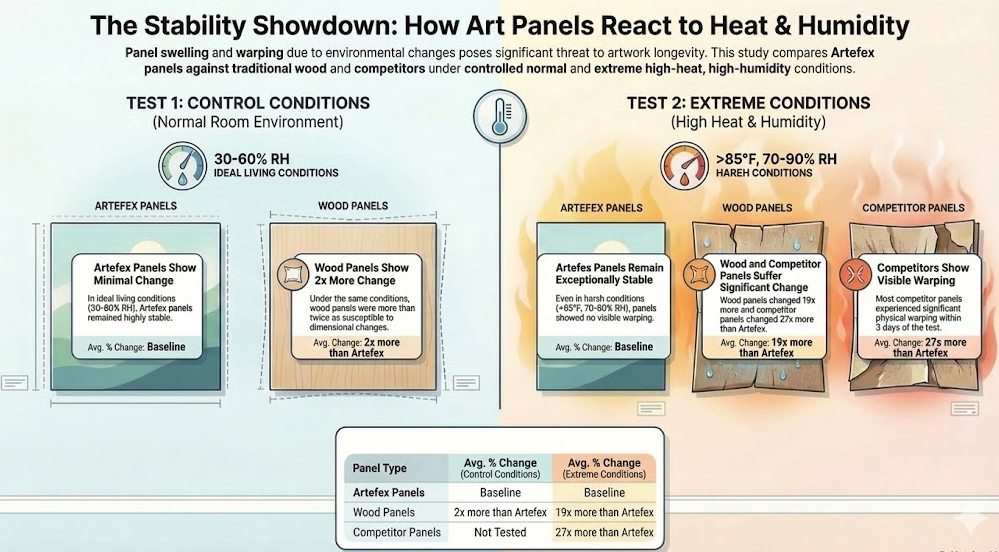
At Artefex, we believe in testing, not guessing. To prove the difference, we conducted our own Accelerated Age Testing.
We placed a leading competitor’s “professional” wood panel (labeled “Panel 20”) in a controlled humidity chamber alongside an Artefex Aluminum Composite Material (ACM) panel.
- The Result: The wood panel reacted violently to the moisture, warping significantly. It became unframeable.
- The Artefex Difference: The aluminum panel remained dead flat. Zero movement. Zero stress on the paint film.
See the results for yourself in our lab test:
The “Hidden Math” of Professional Art
| Scenario A: The “Cheap” Canvas Route | Scenario B: The Artefex Route |
|---|---|
| Upfront Cost: $40 stretched canvas. | Upfront Cost: $158 Artefex 16×20″ Gallery Panel. |
| The Problem: Arrives flimsy or warps after painting. | The Benefit: Rigid, sleek, and ready to hang as-is. |
| The Fix: Must buy heavy, expensive frame/cradle to force it straight ($300+). | The Framing: Zero. No additional support required. |
| The Shipping: Premium cost for heavy, bulky wood frame ($100+). | The Shipping: Featherlight and virtually indestructible. |
| Total Cost: $440+ (plus high anxiety). | Total Cost: $158 (and total peace of mind). |
When you switch to Artefex, you aren’t just buying a surface; you are buying profit margin. You save your collectors money on framing, which makes your art an easier “Yes.”
The Technical Edge: Why Artefex?
We aren’t the only ones selling aluminum. But we are the only ones engineering it for conservation.
1. The Glue: BEVA 371 (Museum Grade)
Most competitors use permanent commercial adhesives. Once the linen is stuck, it’s stuck forever.
We use BEVA 371, a specialized conservation adhesive. It is reversible. If a conservator 100 years from now needs to remove your linen to save the painting, they can. This is “Museum Thinking”—planning for your legacy, not just next week’s sale.
2. The Core: Aluminum Honeycomb (For Large Works)
Painting large on wood is heavy. Painting large on canvas is like painting on a trampoline.
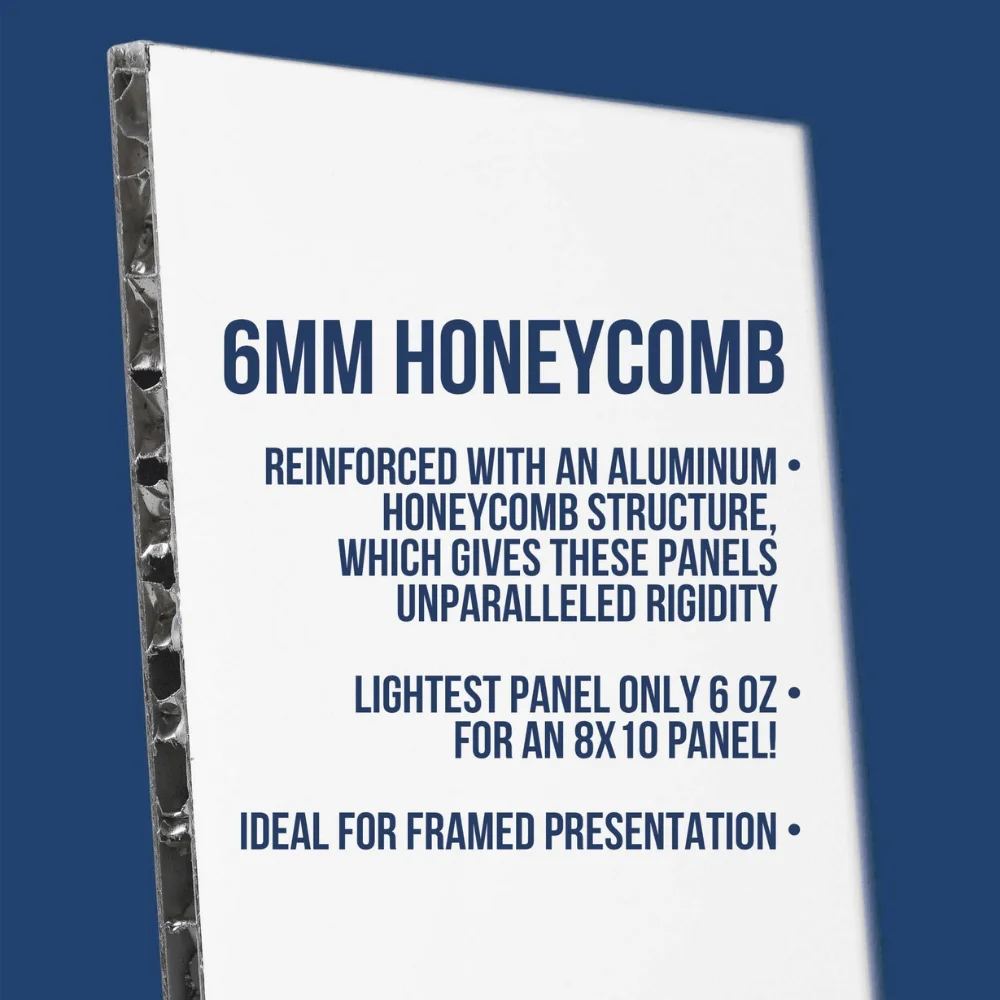
Our Aluminum Honeycomb panels use aerospace technology. They are:
- Incredibly Rigid: No cross-bracing required, even at 5’ x 10’.
- Featherlight: You can carry a giant panel under one arm.
- Dead Flat: Your brushstrokes land exactly where you intend them, with no “bounce.”
The Professional Signal: The “Back of the Painting” Test
Imagine a high-end collector or gallery director flipping your painting over. what do they see?
- Staples and pine wood? It signals “Amateur.” It signals “Risk.”
- Sleek Aluminum/ACM? It signals “Professional.” It signals “Investment Grade.”
Your materials tell the buyer how much you value your work. If you treat your art like a commodity, they will too. If you treat it like a legacy, they will pay for it.
Your art is worth it. Don’t let a $20 difference in substrate risk a $5,000 sale.
Ready to Upgrade Your Foundation?
Don’t let an unstable foundation compromise your creative legacy. Choose a foundation built for legacy.
Option 1: (Risk-Free)
Completely Free 2×3″ Artefex Panel.
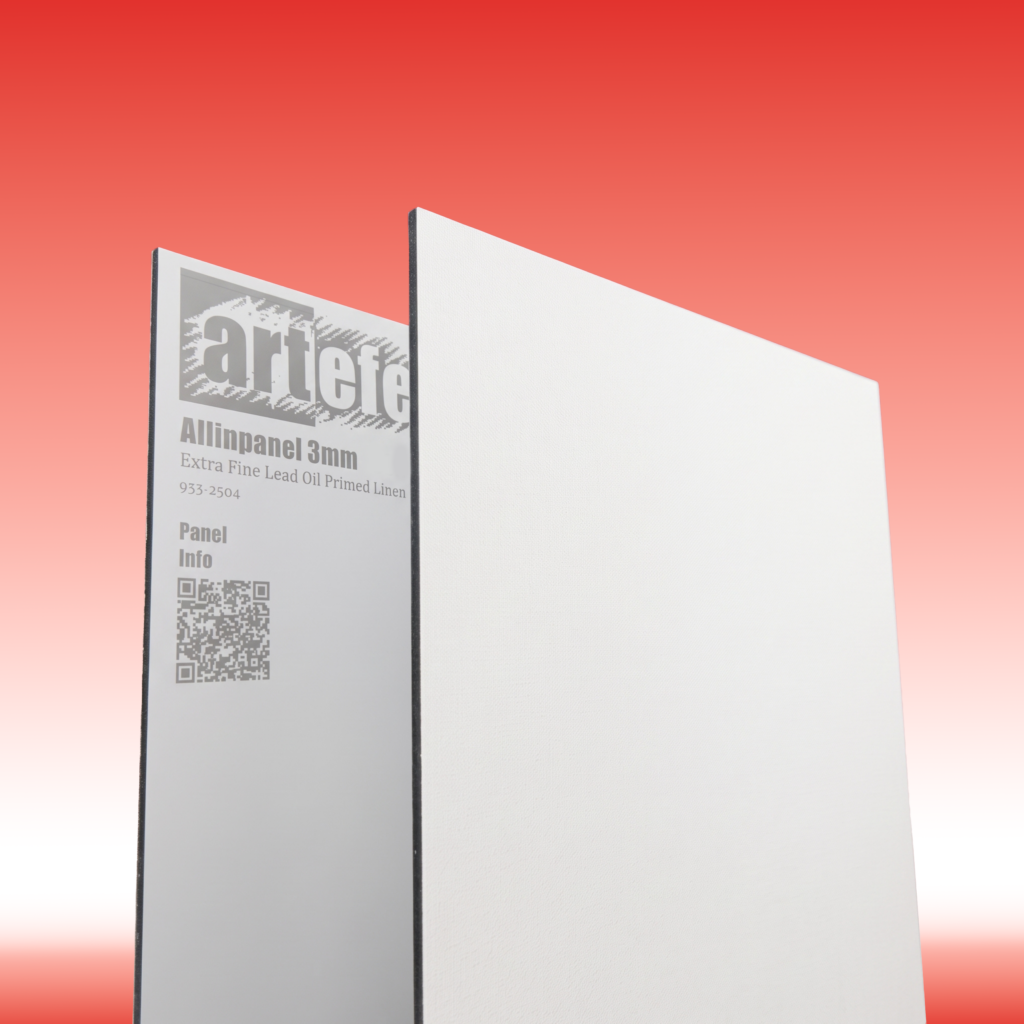
We are so confident in our panels that we will ship a 2×3″ sample to you at zero cost. No product cost, no shipping fees. Throw it in water, step on it, or paint a study. See for yourself why the pros are switching.
Claim Your Free 2×3″ SampleOption 2: The Artefex Trial Pack
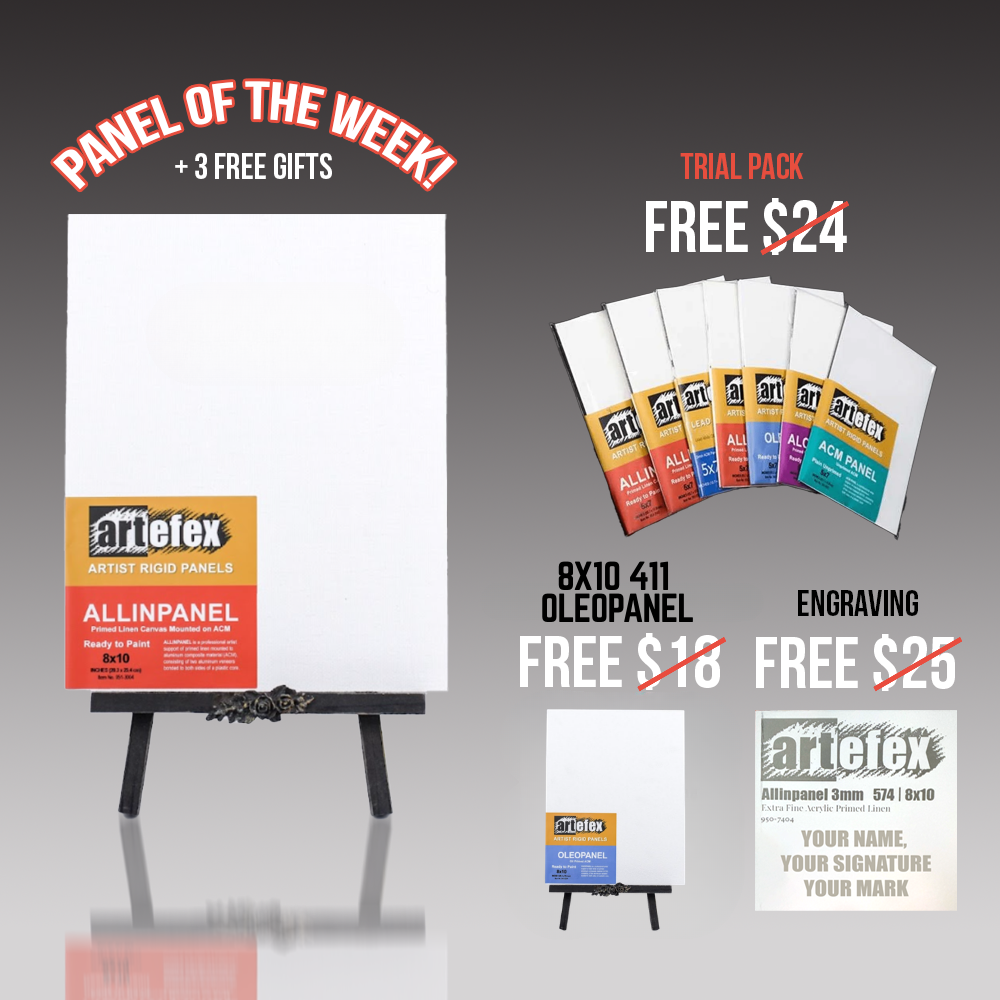
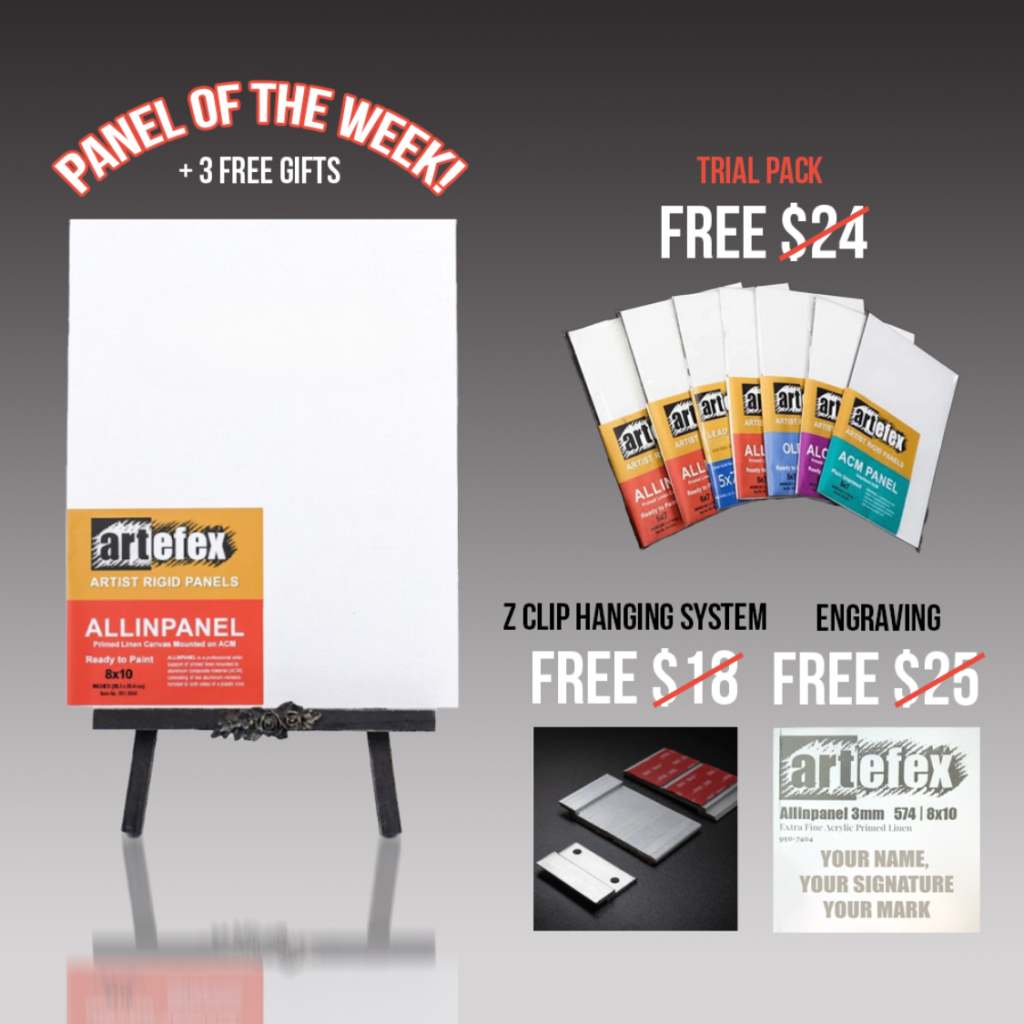
3 Panels (5×7″) for only $24.
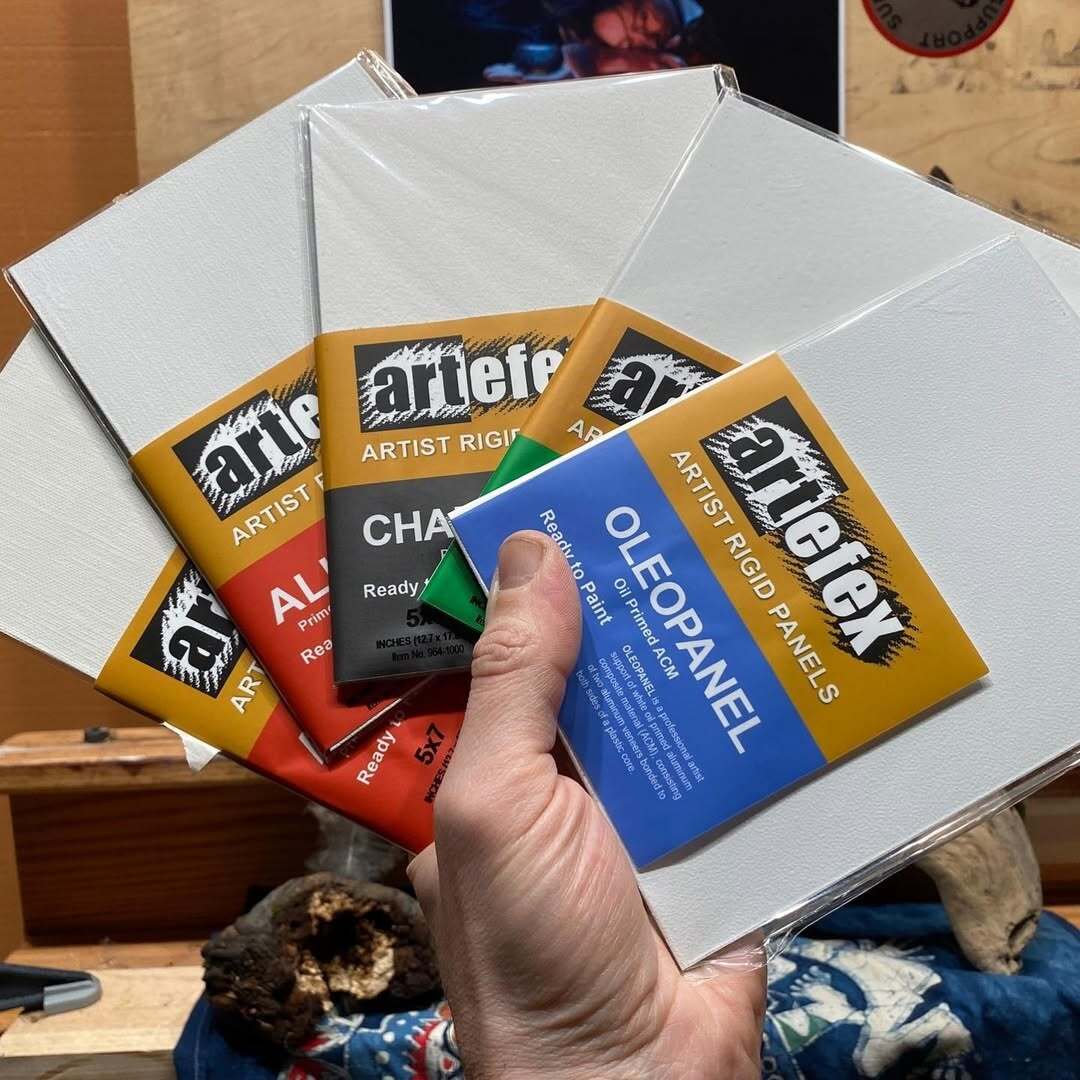
The fastest way to find your favorite surface. This pack includes three of our 5×7″ professional archival panels. Free shipping included.
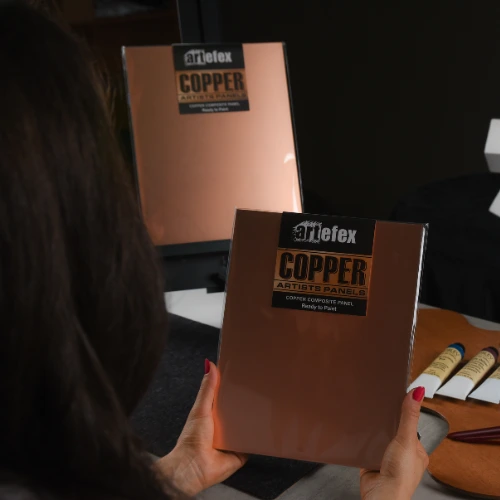
Get the $24 Trial PackOption 3: Standard Archival ACM Panels
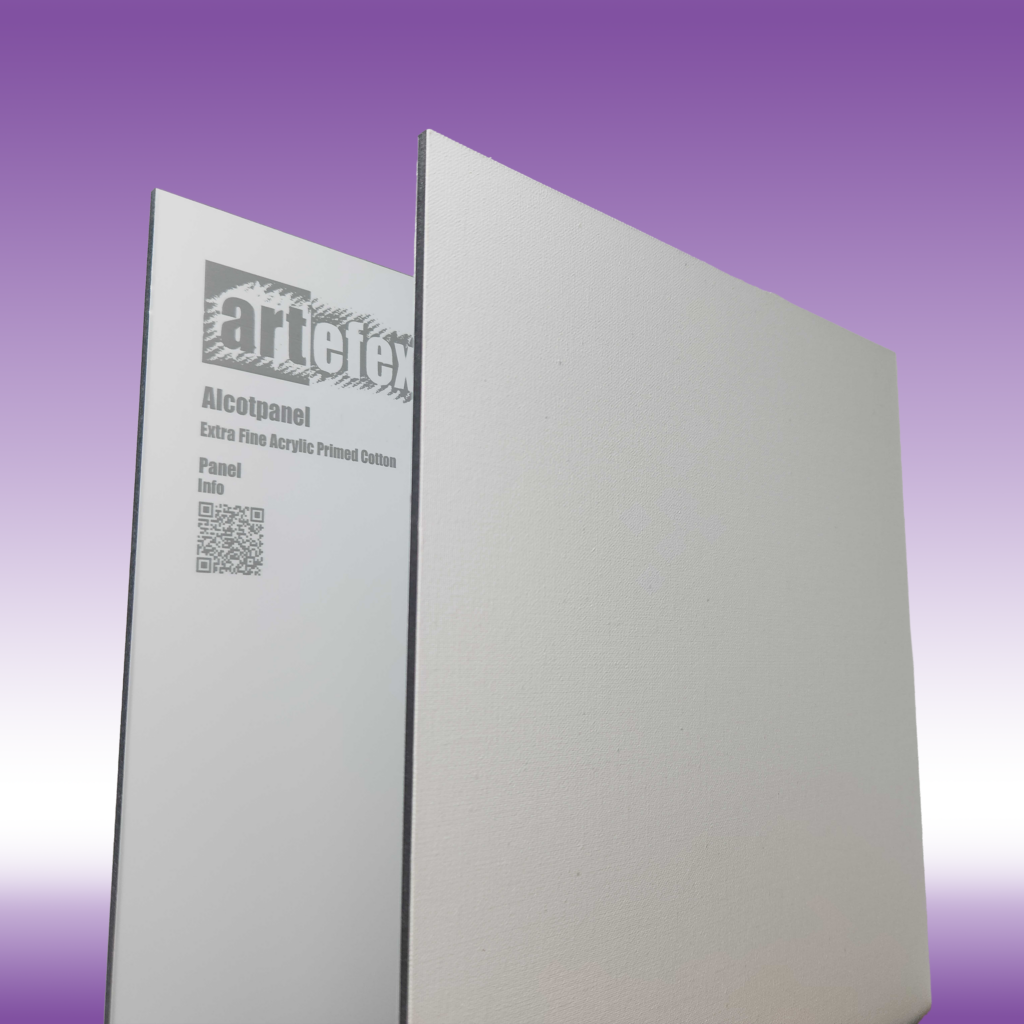
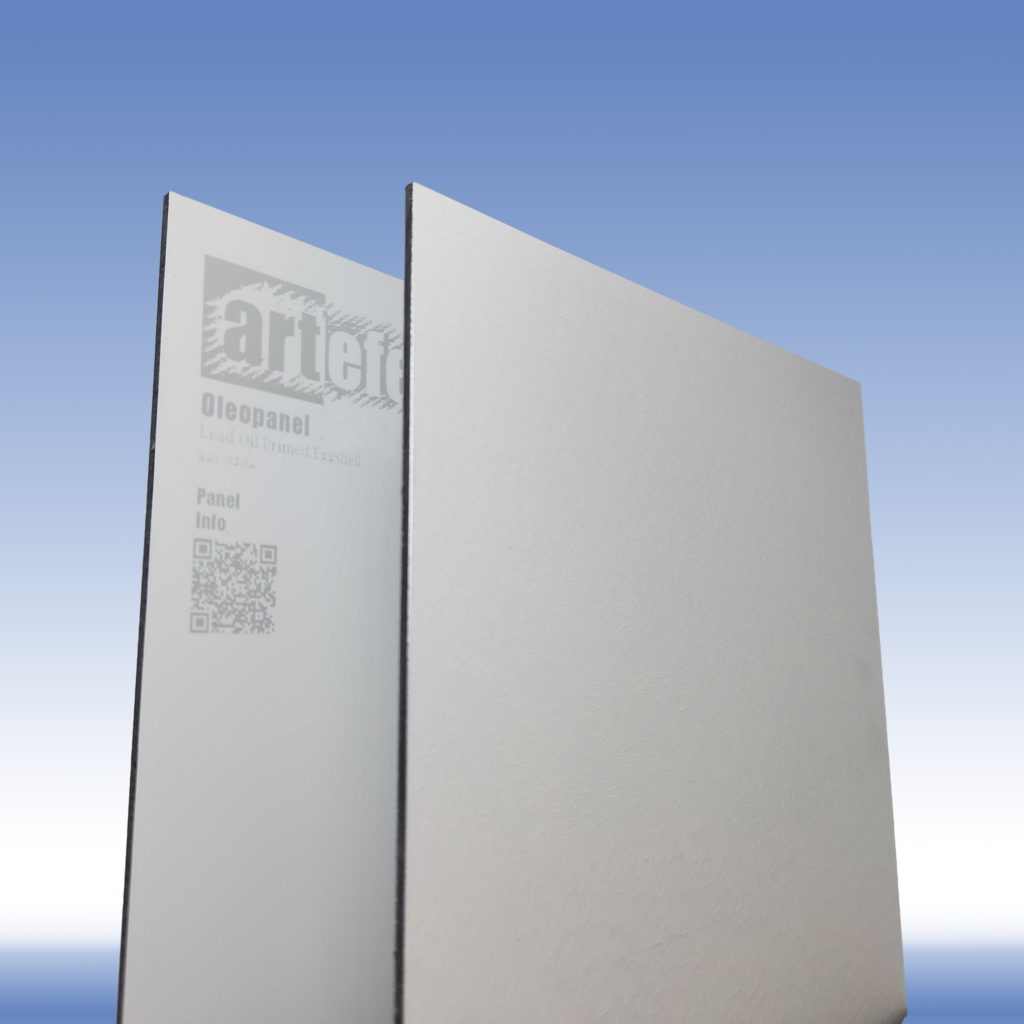
The professional standard for daily work. Warp-resistant, museum-grade, and ready for your next masterpiece.
Browse Standard PanelsOption 4: For Large Scale Artists (Honeycomb)
Stop wrestling with heavy wood cradles. Get aerospace-grade rigidity at a fraction of the weight. Perfect for monumental works up to 5’ x 10’.
Shop Honeycomb Panels