

Should You Prime Your Own Panels? The Honest Truth About DIY vs. Pre-Primed

There is a romantic notion in the art world that the “true master” prepares everything from scratch—grinding their own pigments, boiling their own oil, and priming their own boards.
While there is value in understanding your materials, many professional artists eventually hit a crossroads: Do I want to be a panel manufacturer, or do I want to be a painter?
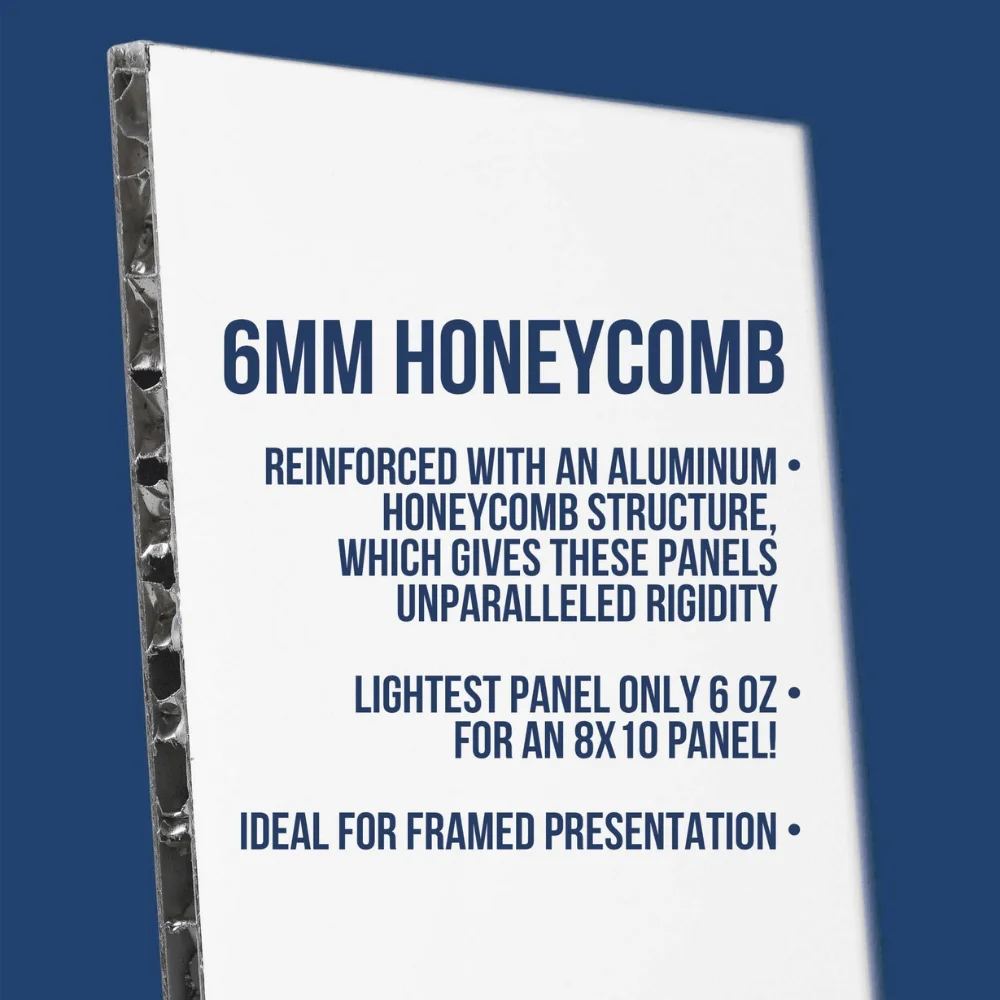
When it comes to modern substrates like Aluminum Composite Material (ACM), the question becomes even more critical. Unlike wood or canvas, aluminum requires specific chemistry and safety protocols to prime correctly.
Here is the breakdown of why you might consider priming yourself, and why you should probably stick to pre-primed art panels from Artefex.
The Reality of Priming Aluminum (DIY)
Priming a wooden board is relatively forgiving. Priming aluminum is not. Because aluminum is non-porous, traditional gesso does not soak in; it sits on top. If the surface isn’t prepped perfectly, the primer will eventually delaminate (peel off) like a sticker.
To prime ACM yourself, you must:
- Sand the Surface: You need to create a “mechanical tooth” by sanding the aluminum.
- Safety Hazard: Sanding aluminum creates fine metallic dust that is hazardous to inhale. You must use a high-quality respirator and have a well-ventilated space.
- Degrease: Any oils from your fingerprints will prevent adhesion.
- Apply Adhesion Promoter: Often, a specialized metal primer is needed before your gesso or oil ground.
The Hidden Cost of “Cheaper”
Artists often go the DIY route to save money. But once you factor in the cost of raw aluminum sheets, high-quality primer, respirators, sanding gear, and—most importantly—your time, the savings evaporate.
Every hour you spend sanding a panel is an hour you are not painting.
The Case for Pre-Primed Surfaces
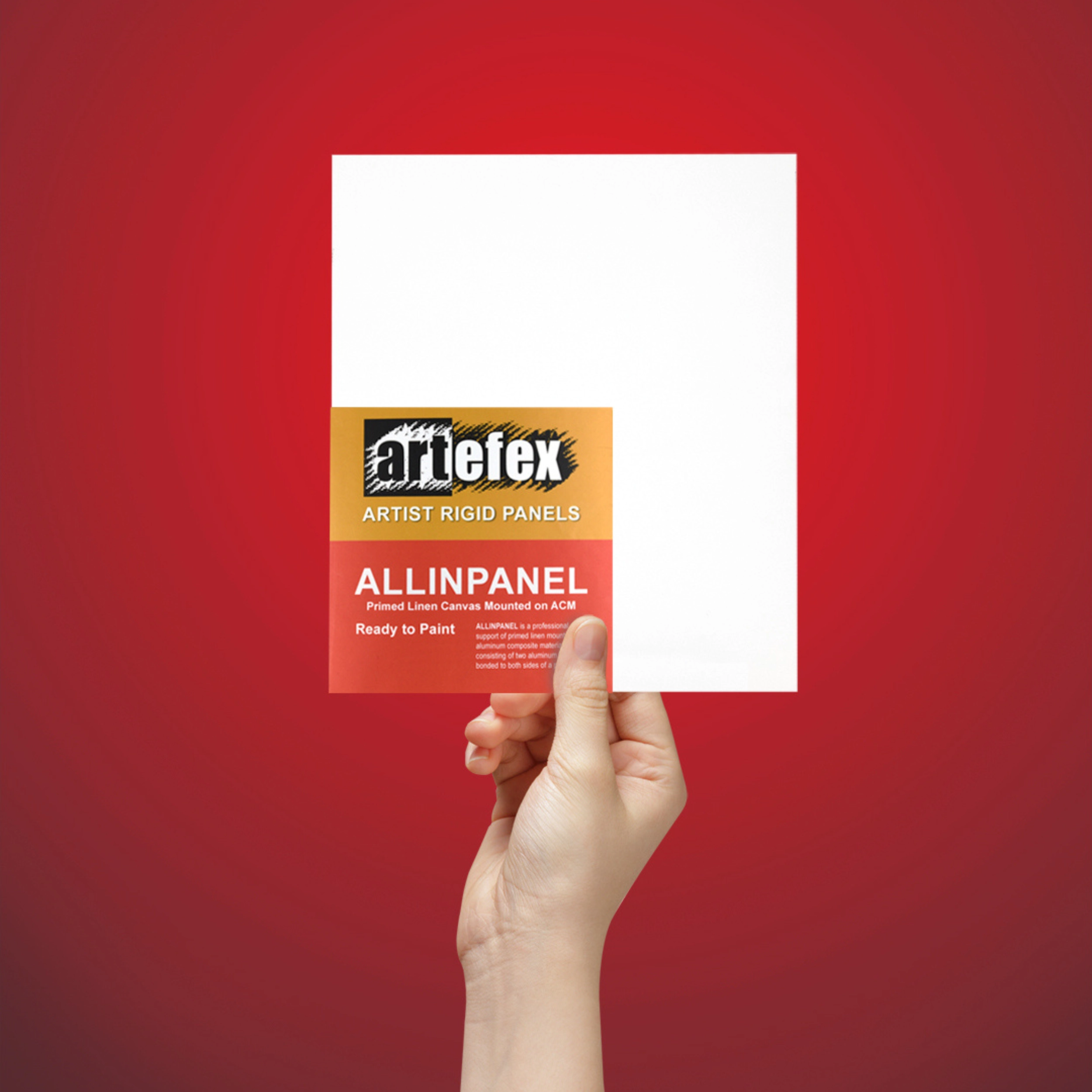
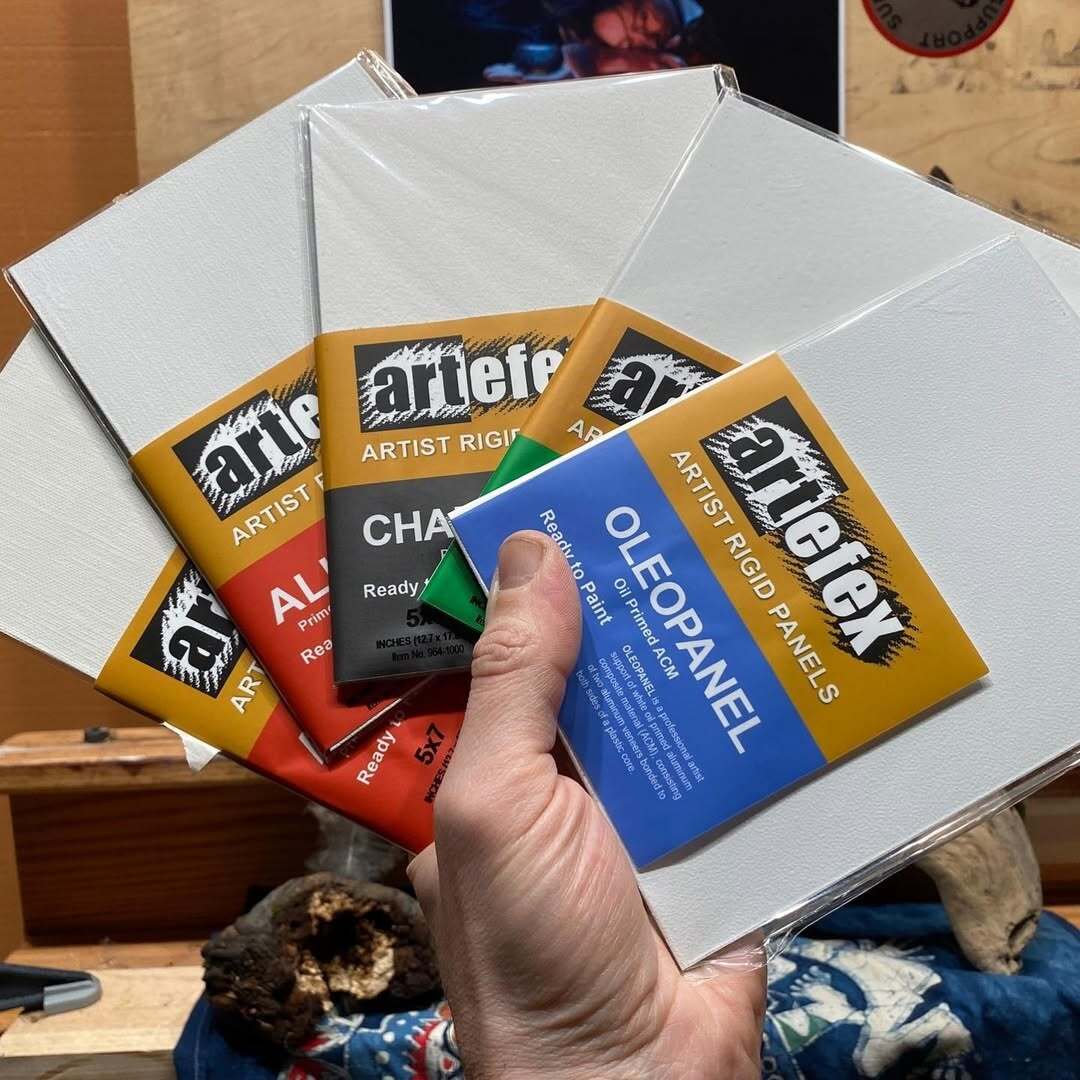
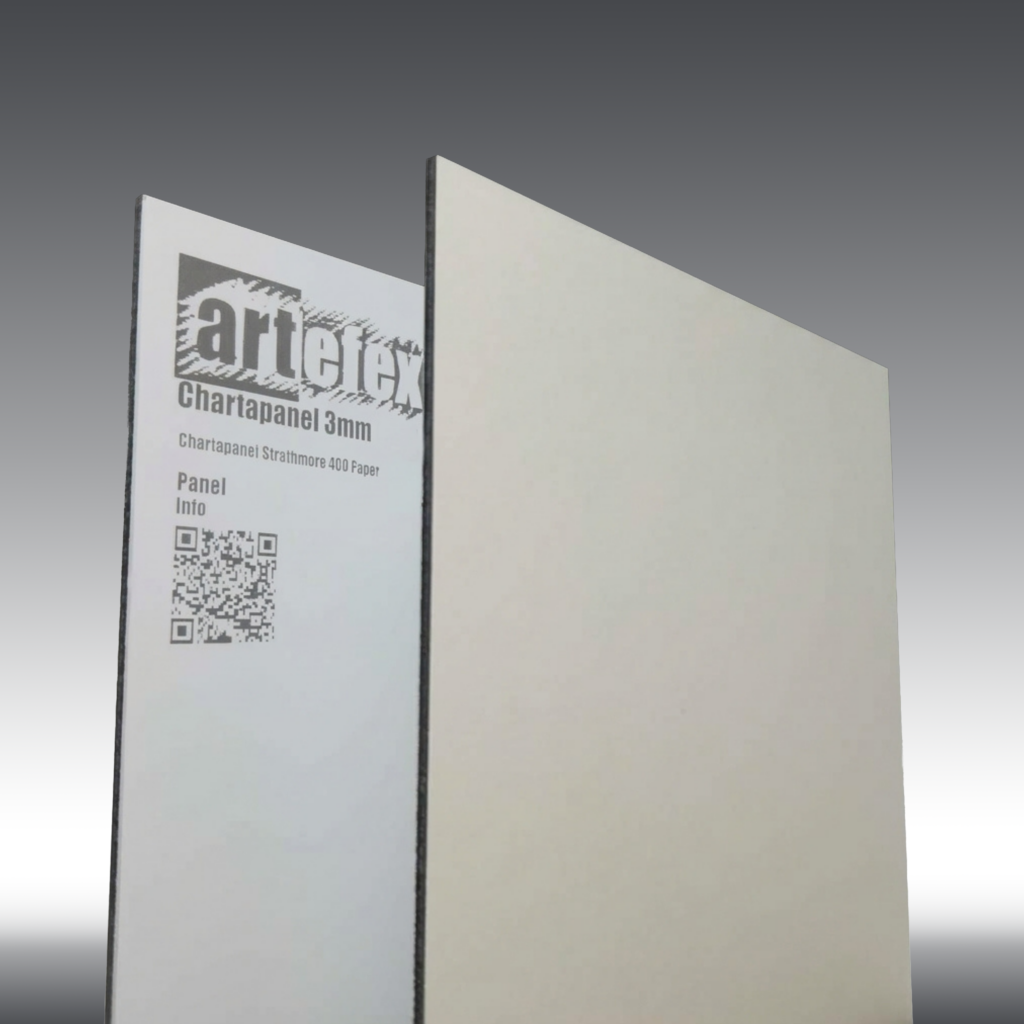
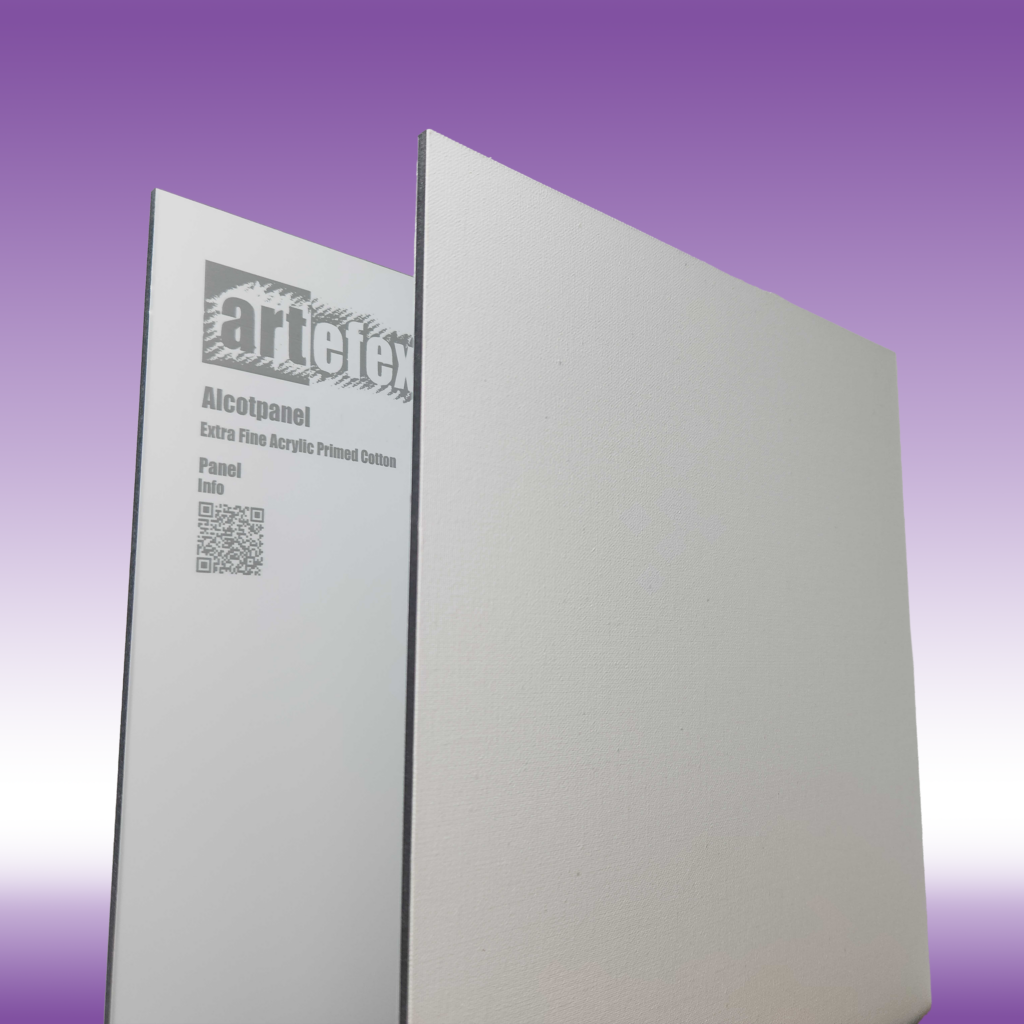
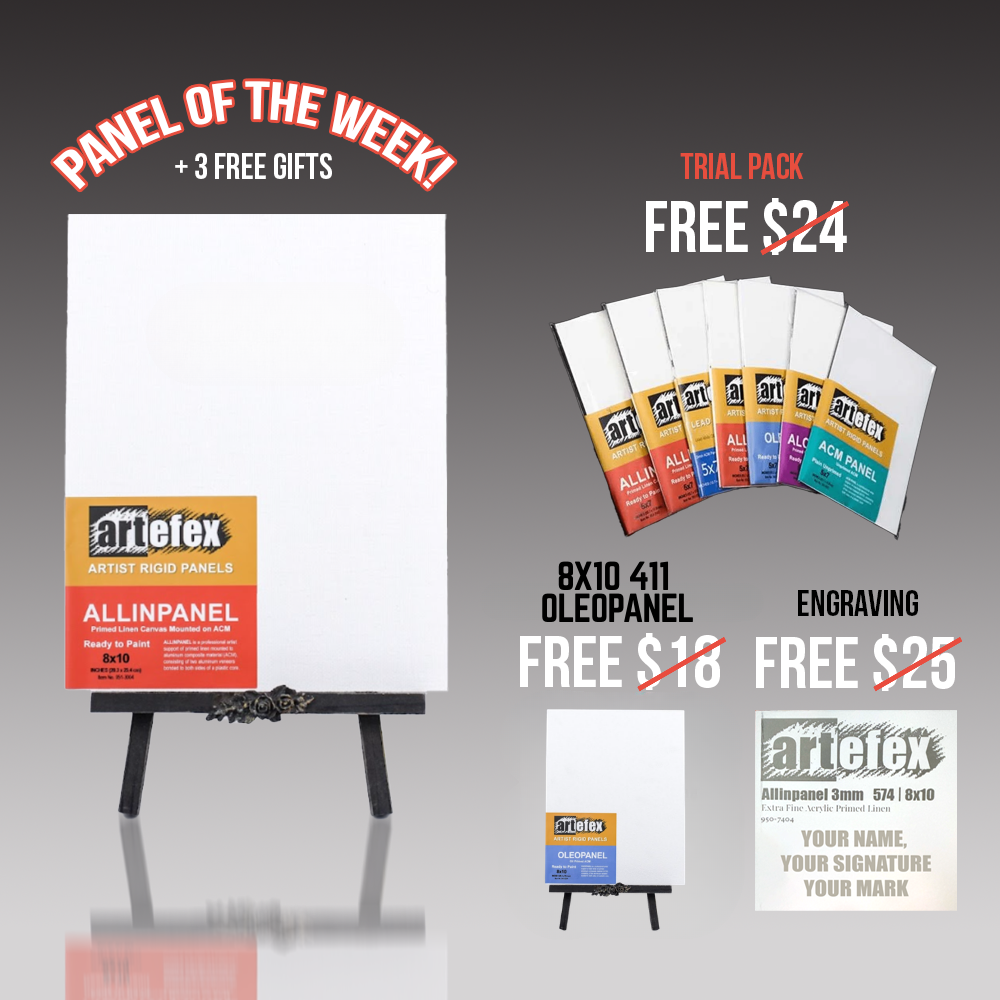
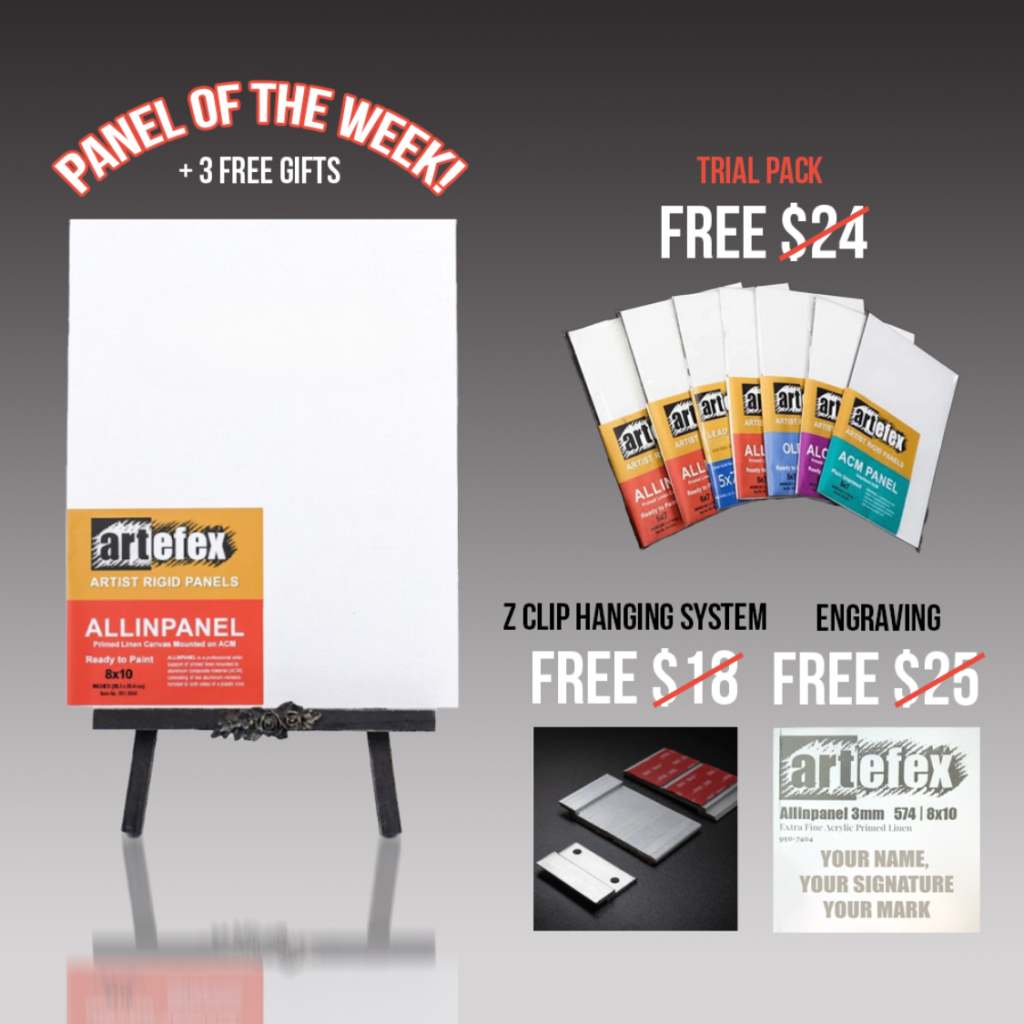
At Artefex, we specialize in pre-primed art panels because we know that consistency is the key to longevity. When you buy a panel from us, you aren’t just buying a surface; you are buying the assurance that the ground will never separate from the support.
1. Chemical & Mechanical Bonding
We don’t just brush glue on metal. Our manufacturing process ensures a bond between the fabric (or ground) and the ACM that is incredibly difficult to replicate in a home studio. Whether it is our 537 Oil Primed Linen or a UniPanel, the surface is permanently fused.
2. “Taking Yourself Seriously”
Using professional materials changes your mindset. It signals to your collectors—and to yourself—that this artwork is an asset.
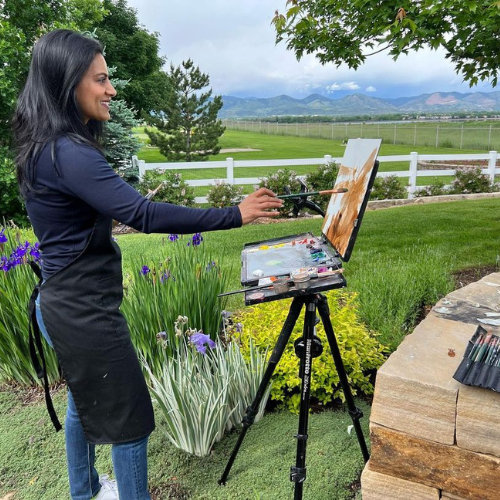
Kate Orr, a professional artist and Artefex user, recently shared her thoughts on this exact topic:
“Using good materials to me really matters because then I’m taking myself seriously as an artist… I want to honor [the collector] by making it the best that I can, making it last as long as I can.” — Kate Orr
When you use a pre-primed Artefex panel, you eliminate the “variable of doubt.” You know the surface is archival. You know it won’t warp. You are free to focus purely on creation.
3. Immediate Gratification
Inspiration is fleeting. When you have an idea for a painting, you want to start now. With DIY, you are waiting for glue to dry, sanding between coats, and waiting for cure times. With a pre-primed panel, you pull it out of the box and apply paint immediately.
But I Want a Custom Texture!
The main valid argument for DIY is wanting a very specific texture that isn’t sold in stores. However, Artefex offers one of the widest ranges of textures in the industry to solve this:
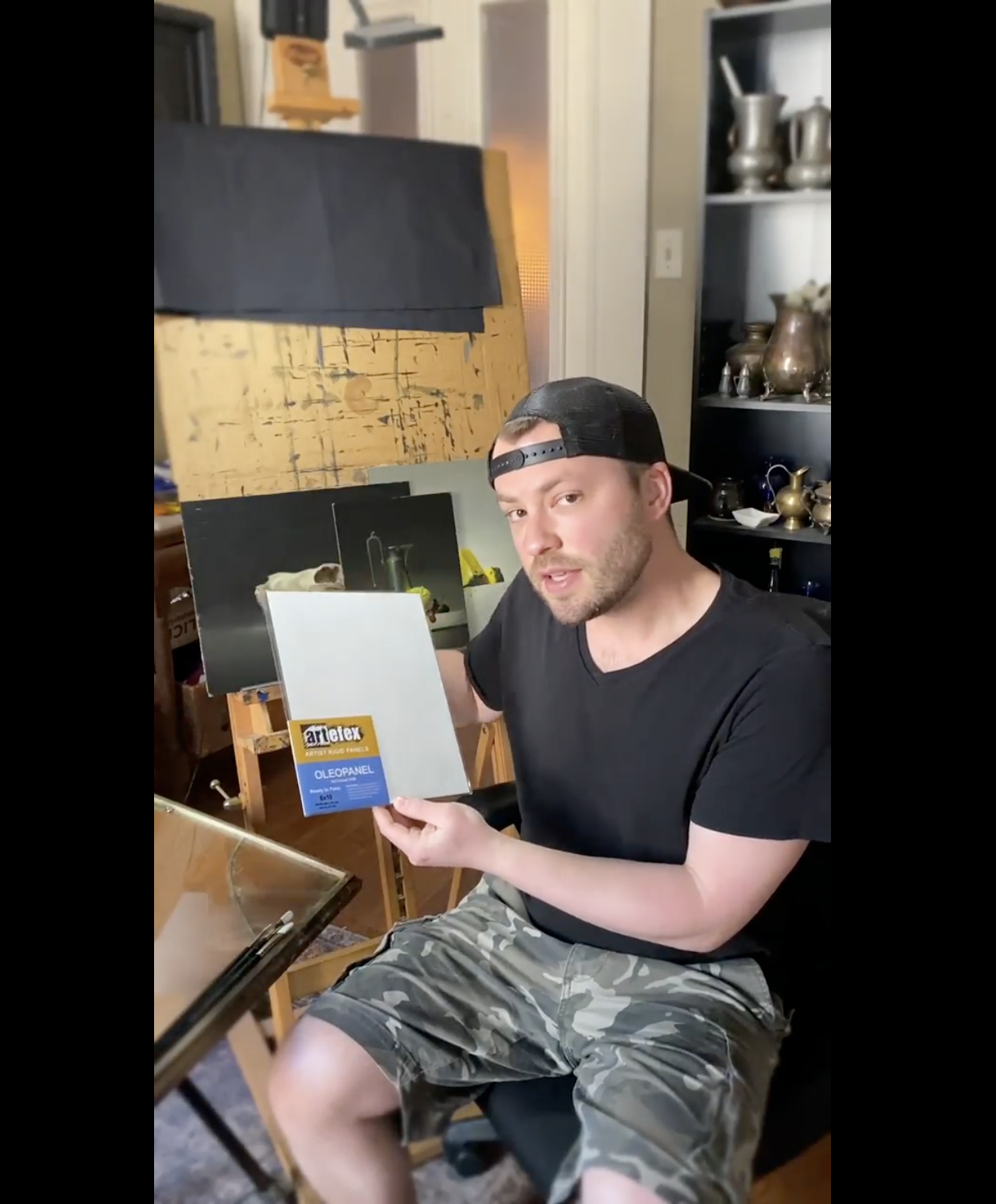
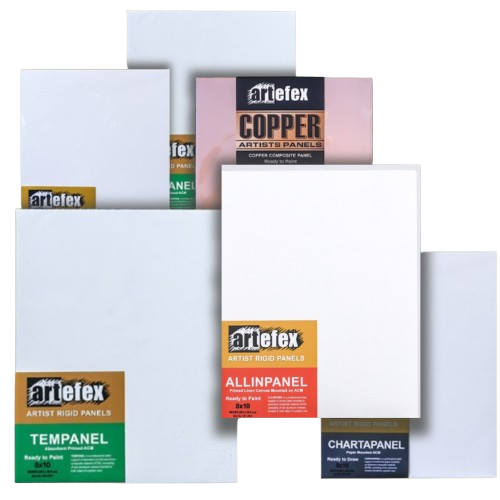
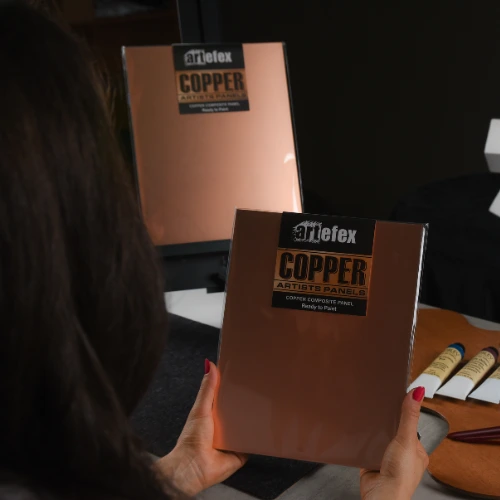
- Want Smooth? Try our Oleopanel or Copper panels.
- Want Tooth? Our Lead Primed Linen offers the classic grab of Old Master surfaces.
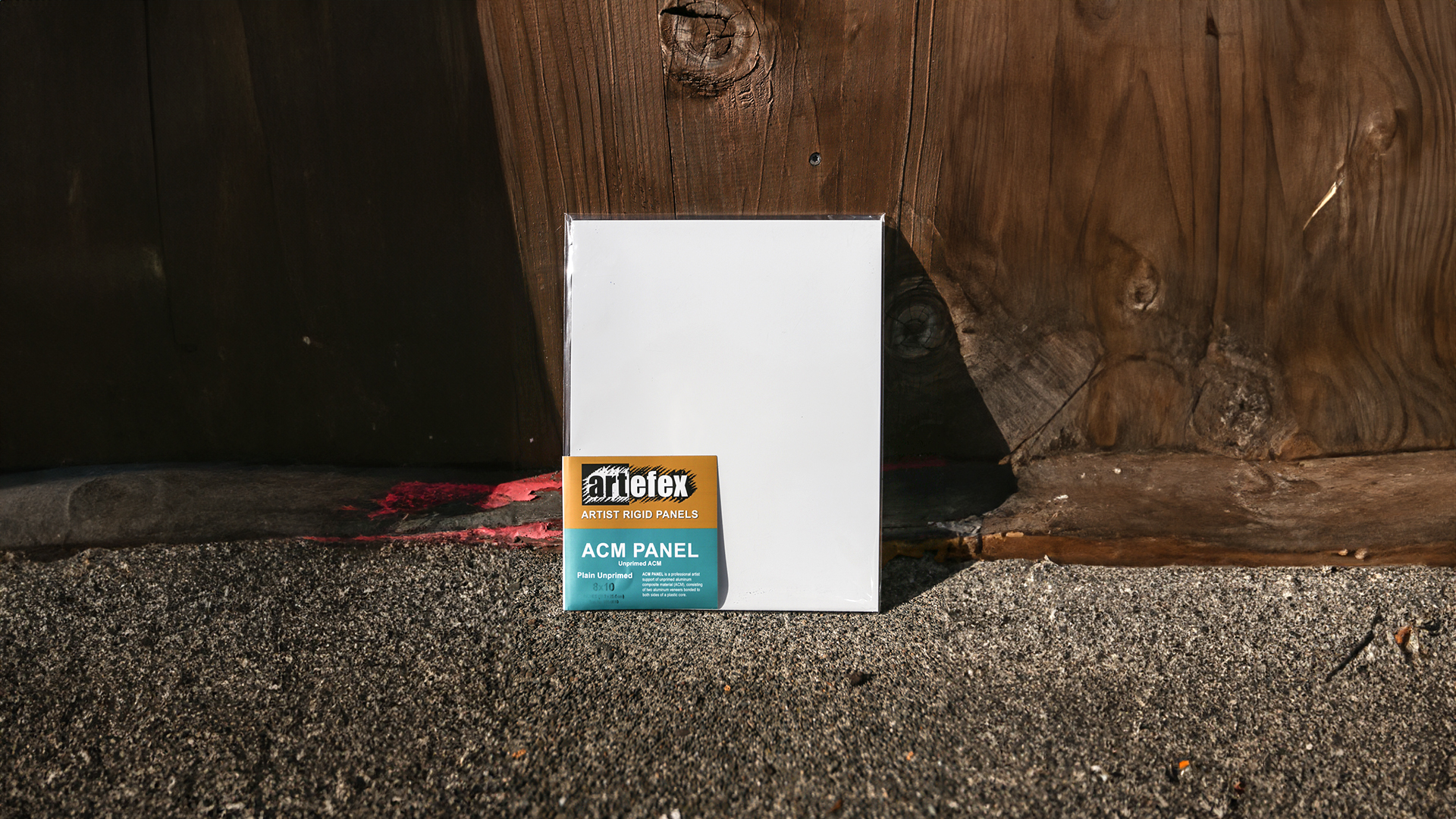
- Want Unprimed? You can buy unprimed ACM Panel
Conclusion: Paint More, Prep Less
If you enjoy the chemistry of prepping boards and have the safety equipment to handle aluminum dust, DIY can be rewarding.
But if your goal is to produce professional, museum-quality work efficiently, pre-primed is the answer. Don’t risk your masterpiece peeling off the metal in 10 years because the sanding wasn’t quite right. Trust the experts who build panels for conservators.
Still not sure which surface is right for you?
You don’t have to guess. If you have specific questions about custom sizes, surfaces, or shipping, let’s talk directly. 📅 Book a Meeting with our Panel Expert
Enough thinking. It’s time to paint.